Janasankalp Archives - Page 3 of 6 - Jansankalp Foundation

Marine pollution in India: Causes and solutions for a cleaner ocean

Marine pollution is a significant environmental problem in India, with the country being home to one of the largest coastlines in the world. The Indian Ocean is a vital resource for the country’s economy and sustenance, providing fish and seafood, tourism, and shipping lanes. However, the ocean is under threat from various forms of pollution, including plastic waste, sewage, oil spills, and industrial effluents. In this article, we will discuss the causes of marine pollution in India and the solutions for a cleaner ocean.

Causes of Marine Pollution in India

Plastic Pollution: The excessive use of plastic products, coupled with inadequate waste management systems, has led to the accumulation of plastic waste in the ocean. India is one of the largest producers of plastic waste globally, with an estimated 26,000 tons of plastic waste generated daily.

Sewage Discharge: Most coastal cities in India discharge untreated sewage into the ocean, leading to the contamination of water and marine life. The lack of sewage treatment plants and poor sanitation infrastructure exacerbates the problem.

Oil Spills: India is a hub for oil and gas exploration and transportation, leading to the risk of oil spills. Oil spills not only harm marine life but also impact fishing and tourism industries.

Industrial Effluents: The discharge of industrial effluents, including heavy metals and chemicals, into the ocean, poses a significant threat to marine life and water quality.

Solutions for a Cleaner Ocean

Reduce Plastic Use: The government and private sector need to work together to reduce plastic use by promoting alternatives, such as biodegradable products, and implementing effective waste management systems.

Improved Sewage Treatment: The construction of sewage treatment plants, coupled with the promotion of proper sanitation infrastructure, can significantly reduce sewage discharge into the ocean.

Strengthening Environmental Regulations: Stringent environmental regulations must be put in place to prevent industrial effluent discharge into the ocean.

Oil Spill Response Plans: The development of effective oil spill response plans can mitigate the impact of oil spills on the environment.

Awareness and Education: The promotion of awareness and education campaigns can help in sensitizing the public about the importance of marine conservation and ways to reduce pollution.

Marine pollution is a severe environmental problem in India, which requires immediate attention and action. The implementation of solutions, such as reducing plastic use, improved sewage treatment, and strengthening environmental regulations, can help in mitigating the impact of marine pollution. A cleaner ocean is not only essential for the sustainability of marine life but also for the country’s economy and well-being. It is essential to recognize the importance of the ocean and take steps towards preserving it for future generations.

Deforestation and biodiversity loss in India: Causes and solutions

Deforestation and biodiversity loss are significant environmental challenges facing India. The country has lost a significant portion of its forest cover in the last few decades, leading to a decline in biodiversity and other negative impacts. In this article, we will explore the causes and solutions to deforestation and biodiversity loss in India.

Causes of Deforestation and Biodiversity Loss in India

Agricultural Expansion: One of the main drivers of deforestation in India is agricultural expansion. As the population grows, the demand for food increases, leading to the conversion of forests into farmland. This process is particularly prevalent in regions with high levels of poverty, where people rely on subsistence agriculture to survive.

Illegal Logging: Another significant cause of deforestation in India is illegal logging. Despite laws prohibiting the cutting of trees without permits, illegal logging continues to occur, driven by the high demand for timber and other forest products.

Mining: The mining industry is also a significant contributor to deforestation in India. The extraction of minerals, such as coal and iron ore, requires large areas of land to be cleared, leading to the destruction of forests and loss of biodiversity.

Urbanization: As cities expand, they require more land, leading to the conversion of forested areas into urban spaces. This process is often accompanied by the construction of roads, which further fragment forest habitats, making it difficult for wildlife to move between areas.

Solutions to Deforestation and Biodiversity Loss in India

Reforestation: One of the most effective solutions to deforestation and biodiversity loss is reforestation. Planting trees can help to restore degraded forests, providing habitat for wildlife and helping to mitigate the impacts of climate change.

Protected Areas: Creating protected areas can help to preserve biodiversity by providing safe habitats for wildlife. These areas can also provide economic benefits through ecotourism.

Sustainable Agriculture: Promoting sustainable agriculture practices can help to reduce the pressure on forests by increasing food production on existing farmland. This can include techniques such as agroforestry, which combines crops with trees to create a more diverse and sustainable farming system.

Reducing Demand for Timber: Reducing the demand for timber and other forest products can help to reduce the pressure on forests. This can be achieved through measures such as promoting sustainable wood products, reducing waste, and encouraging recycling.

Enforcing Laws and Regulations: Enforcing laws and regulations designed to protect forests is essential to reducing deforestation and biodiversity loss. This includes cracking down on illegal logging and ensuring that companies are complying with regulations related to mining and other activities that impact forests.

In conclusion, deforestation and biodiversity loss are significant environmental challenges facing India. Addressing these issues requires a multifaceted approach, including reforestation, creating protected areas, promoting sustainable agriculture, reducing demand for timber, and enforcing laws and regulations. By working together, we can help to preserve India’s forests and protect its biodiversity for future generations.

Women’s role in agriculture and food security in India

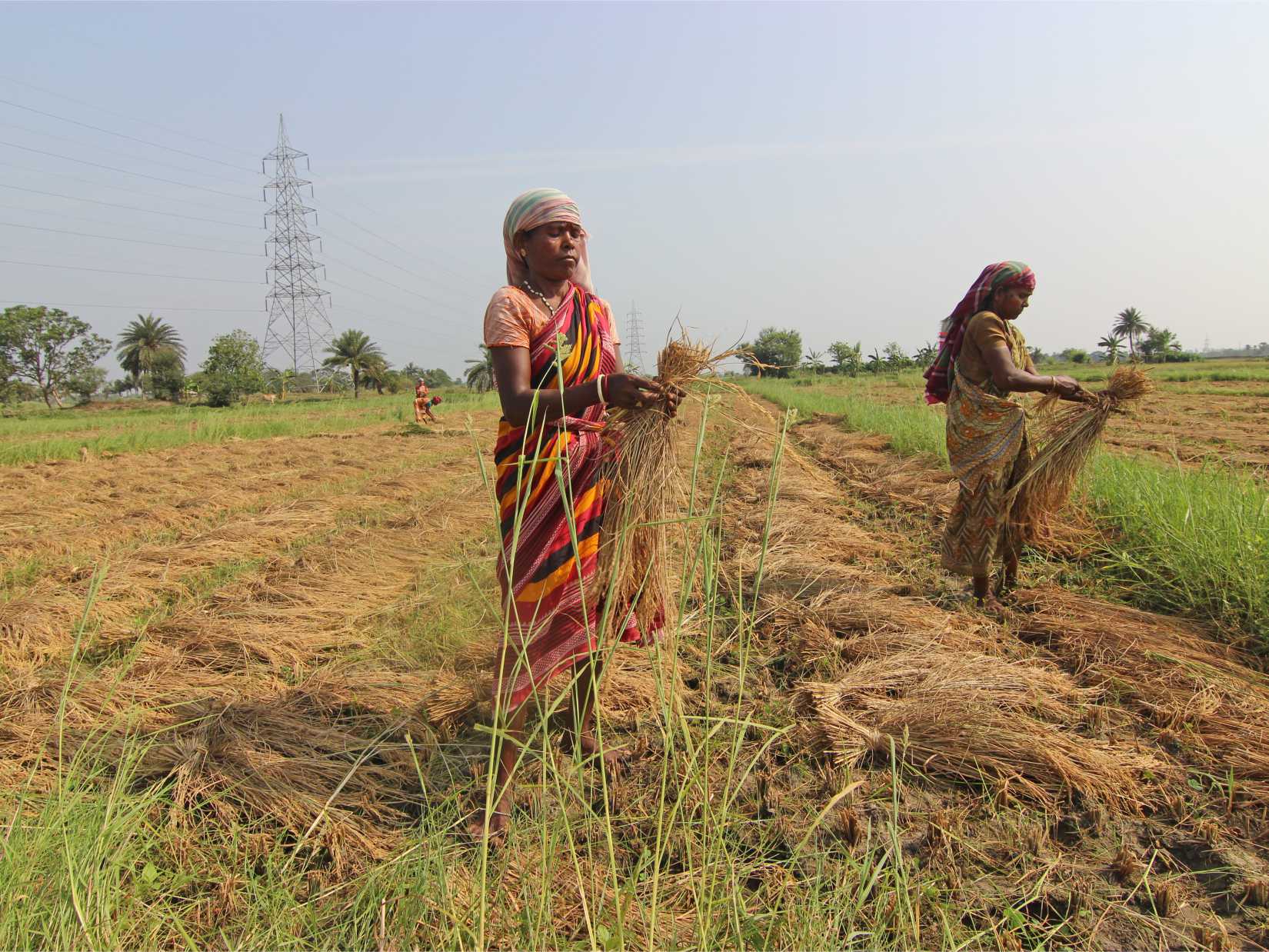
Women play a crucial role in agriculture and food security in India. According to the Food and Agriculture Organization (FAO), women make up around 49% of the agricultural labor force in India. Despite their significant contribution, women face numerous challenges that hinder their ability to access resources, gain knowledge and skills, and fully participate in agricultural activities.

One of the primary challenges women face is limited access to land. In India, women own less than 13% of the country’s agricultural land. Landownership is essential for access to credit, government schemes, and other benefits that can help improve productivity and income. Women’s lack of land ownership also limits their decision-making power in agricultural activities, which can result in their exclusion from important discussions and decisions.

Another challenge faced by women is limited access to credit and financial resources. Traditional gender roles often confine women to household activities, and they may not have formal employment, income, or assets to use as collateral for loans. As a result, women often rely on informal loans from moneylenders who charge high interest rates, placing them in a cycle of debt.

Lack of access to education and training is also a challenge for women in agriculture. Women often have limited opportunities to acquire skills and knowledge necessary for modern farming practices, such as soil health management, irrigation techniques, and the use of technology. This limits their ability to innovate and adopt new practices that could improve productivity and income.

Despite these challenges, women in agriculture have shown resilience and ingenuity in finding solutions. For example, women in some parts of India have formed self-help groups to pool resources and access credit. These groups also provide a platform for women to share knowledge, learn from each other, and engage in collective decision-making.

The Indian government has also introduced various initiatives to support women in agriculture. The National Rural Livelihoods Mission (NRLM), for instance, aims to enhance the livelihoods of rural women by providing them with training, skills development, and access to financial services. The NRLM has been successful in empowering women and improving their income and standard of living.

In conclusion, women play a vital role in agriculture and food security in India. However, they face numerous challenges that hinder their ability to access resources, gain knowledge and skills, and participate fully in agricultural activities. Addressing these challenges requires a concerted effort from government, civil society, and other stakeholders to promote gender equality, empower women, and support their meaningful participation in agriculture.

Sustainable farming practices in India:

Opportunities and challenges

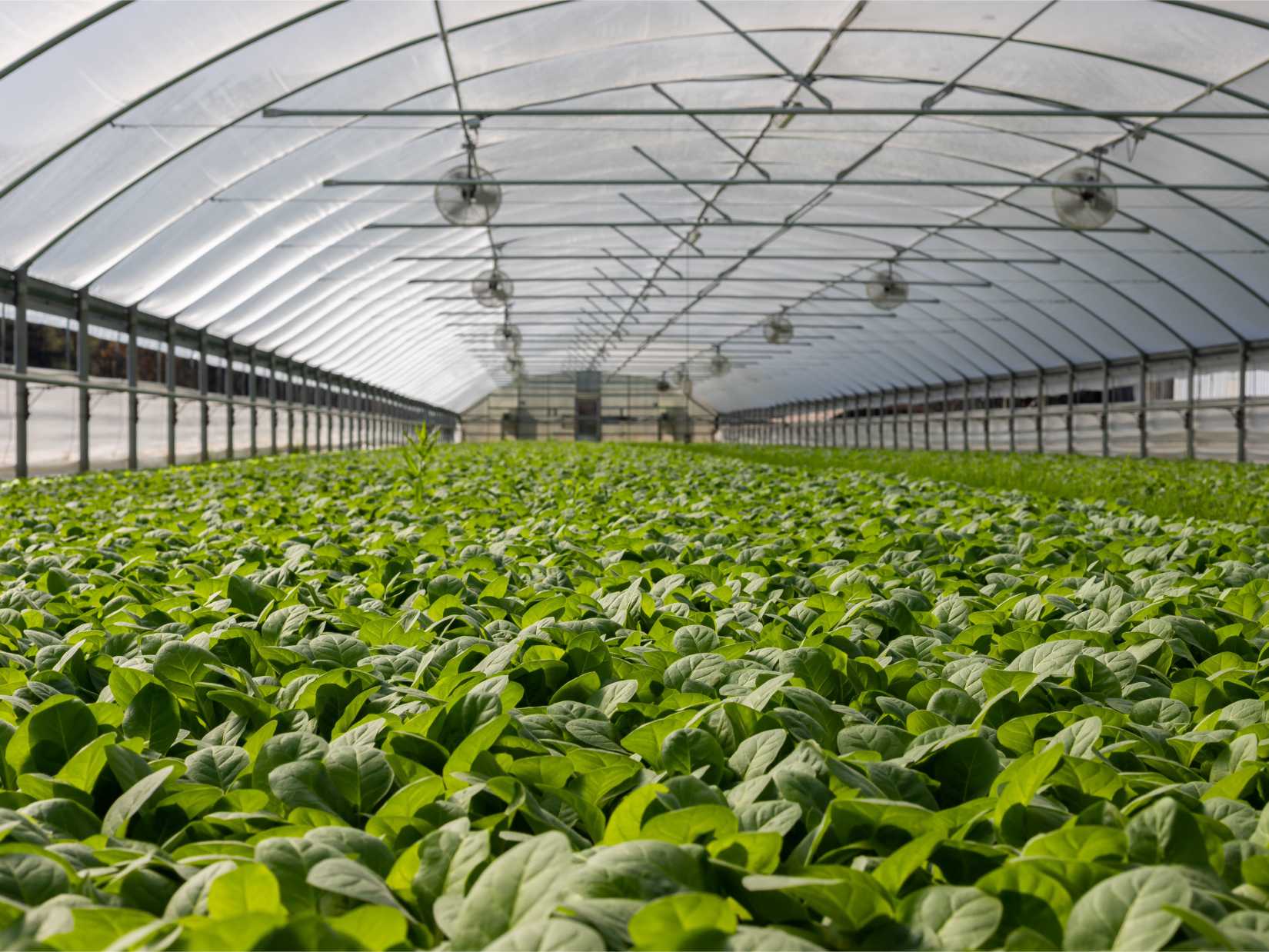
Sustainable farming practices in India have become increasingly important in recent years due to the rising awareness of environmental degradation and the need for food security. Sustainable agriculture is defined as the practice of producing food, fiber, and other plant and animal products in a way that is environmentally friendly, socially responsible, and economically viable. India is a country with a rich agricultural heritage, but the shift towards sustainable farming practices has been challenging due to several opportunities and challenges.

Opportunities:

Increasing demand for organic and sustainable products: There is an increasing demand for organic and sustainable products in India due to rising health concerns and environmental consciousness among consumers. This provides an opportunity for farmers to switch to sustainable farming practices and access a growing market.

Government initiatives: The Indian government has introduced various initiatives to promote sustainable farming practices. These include the National Mission for Sustainable Agriculture (NMSA) and the Paramparagat Krishi Vikas Yojana (PKVY) that promote organic farming, conservation of soil health, and water management practices.

Technological advancements: The advent of technology has made sustainable farming practices more accessible to farmers. For instance, precision farming and agroforestry practices have helped farmers to reduce waste and increase productivity while conserving natural resources.

Challenges:

Lack of awareness and education: Many farmers in India are not aware of sustainable farming practices, which makes it difficult for them to adopt these practices. Education and awareness campaigns are needed to educate farmers about the benefits of sustainable farming practices.

Limited access to credit and resources: Sustainable farming practices require significant investment in resources such as compost, seeds, and equipment. Many small-scale farmers in India lack access to credit, which makes it difficult for them to invest in sustainable farming practices.

Inadequate infrastructure: Inadequate infrastructure for storage, transportation, and marketing of sustainable products is a significant challenge. This leads to losses for farmers and limits their access to markets.

Climate change: Climate change is a significant challenge for sustainable farming practices in India. Erratic weather patterns and water scarcity can make it difficult for farmers to grow crops using sustainable methods.

In conclusion, sustainable farming practices in India present numerous opportunities and challenges. Addressing the challenges requires a multi-stakeholder approach that includes the government, farmers, and civil society organizations. The adoption of sustainable farming practices is critical for India’s food security and sustainable development goals. Therefore, it is essential to promote awareness, provide access to credit and resources, invest in infrastructure, and promote research and development in sustainable farming practices.

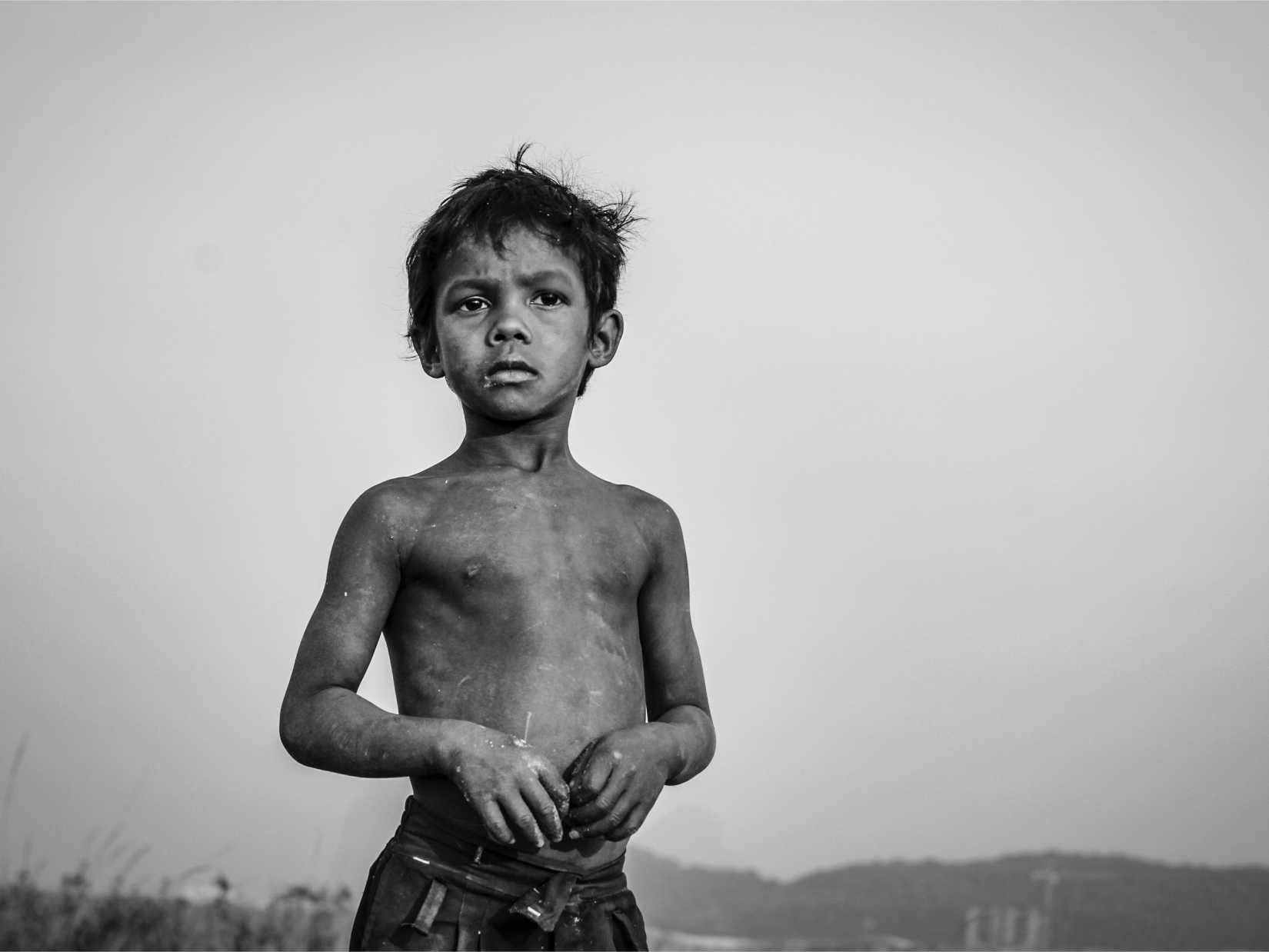
Malnutrition in India: Causes, consequences, and solutions

Malnutrition is a serious problem in India, affecting millions of people across the country. Malnutrition can lead to a range of health problems, including stunted growth, weakened immune systems, and cognitive impairment. In this article, we will explore the causes, consequences, and potential solutions to malnutrition in India.

Causes of Malnutrition:

Poverty: Poverty is one of the main causes of malnutrition in India. People living in poverty often cannot afford a healthy diet, which leads to malnutrition.

Lack of education: Lack of education, especially among women, is another significant cause of malnutrition. Women who are not educated are less likely to have the knowledge and resources needed to ensure that their families are eating a balanced and nutritious diet.

Poor sanitation and hygiene: Poor sanitation and hygiene practices can lead to the spread of infectious diseases, which can cause malnutrition.

Food insecurity: Food insecurity, or the lack of consistent access to sufficient and nutritious food, is a major cause of malnutrition in India.

Consequences of Malnutrition:

Stunted growth: Malnutrition can lead to stunted growth in children, which can have long-term consequences for their health and development.

Weakened immune system: Malnutrition weakens the immune system, making individuals more vulnerable to infectious diseases.

Cognitive impairment: Malnutrition can also lead to cognitive impairment, which can affect a child’s ability to learn and develop.

Increased mortality rates: Malnutrition is a leading cause of mortality in India, particularly among children.

Solutions to Malnutrition:

Education: Education is an essential tool in the fight against malnutrition. Education programs can help individuals understand the importance of a healthy and balanced diet and provide them with the knowledge and resources needed to ensure that their families are eating nutritious food.

Improving access to healthcare: Improving access to healthcare, including basic nutrition and healthcare services, can help prevent malnutrition and treat those who are already suffering from malnutrition.

Addressing poverty: Addressing poverty is essential to reducing malnutrition. Providing financial assistance and creating job opportunities can help individuals afford a healthy diet.

Food security programs: The Indian government has introduced several food security programs, such as the Public Distribution System (PDS), to provide subsidized food to those in need. Expanding these programs and ensuring that they are effective can help reduce malnutrition.

In conclusion, malnutrition is a serious problem in India, affecting millions of people across the country. Addressing the root causes of malnutrition, such as poverty, lack of education, poor sanitation, and food insecurity, is essential to reducing malnutrition rates in India. By implementing education programs, improving access to healthcare, addressing poverty, and expanding food security programs, India can work towards a future where malnutrition is no longer a major health issue.

Health Camp in Triyuginaryan, Uttarakhand

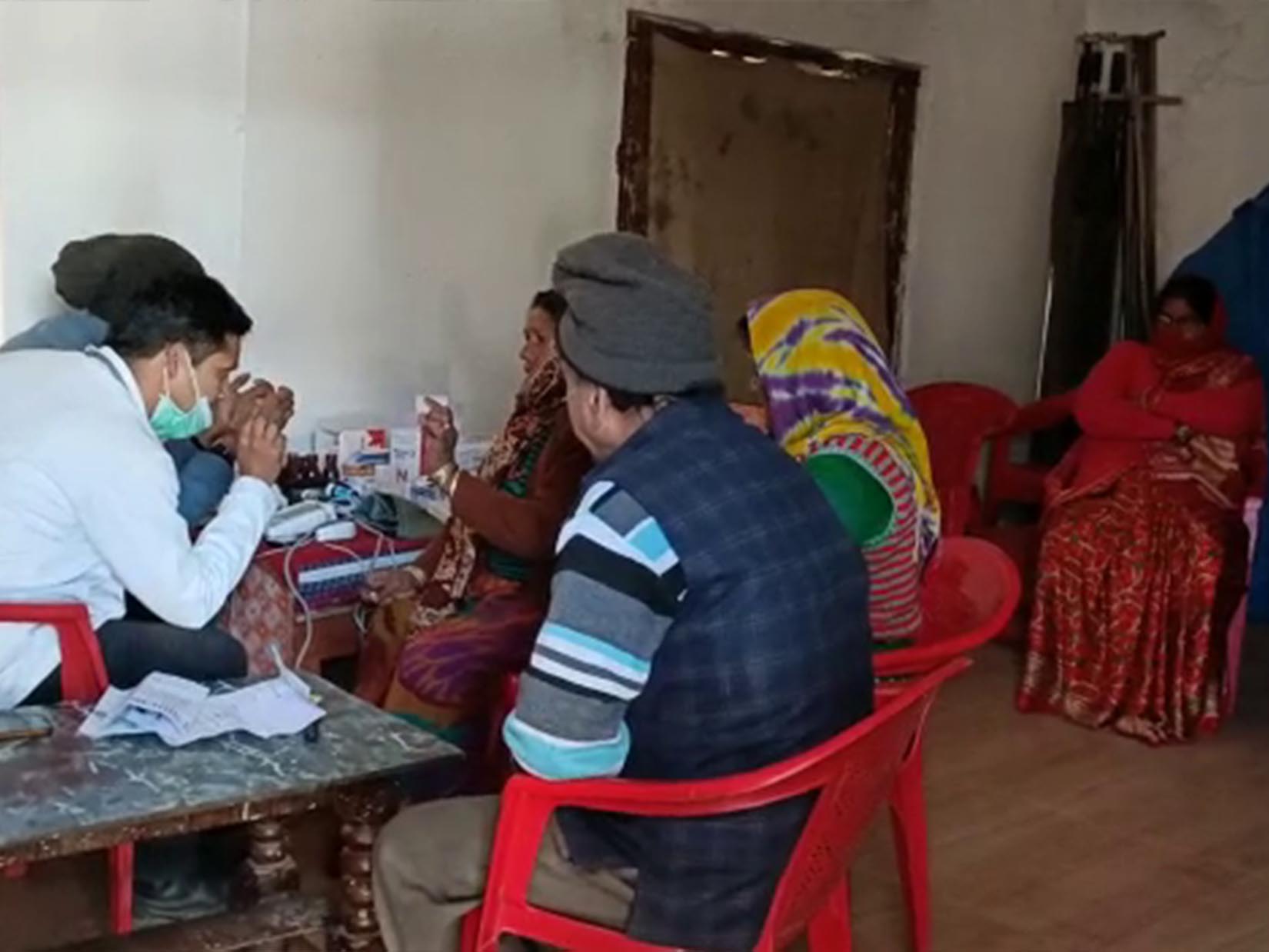
Jansankalp Foundation, under the leadership of Balaji Krishnammagaru, recently organized a successful health check-up camp in Triyuginaryan, Uttarakhand. The camp aimed to address the healthcare needs of the local community by providing free health check-ups and distributing essential medicines.

During the camp, the foundation collaborated closely with the residents of Triyuginaryan. Through discussions with local women, Jansankalp Foundation identified specific healthcare challenges and took prompt action to address them effectively. This community-centered approach ensured that the camp catered to the unique needs of the individuals in Triyuginaryan.

The health check-up camp provided an opportunity for overjoyed locals to receive comprehensive health assessments from a team of dedicated medical professionals. Participants had the opportunity to consult with pediatricians and specialist doctors who were readily available at the Jansankalp Smart Clinic Phata. The clinic not only offers free consultations but also ensures the availability of necessary medicines, ensuring that individuals can access the care they need.

Jansankalp Foundation’s commitment to organizing regular health camps across various villages in Uttarakhand underscores their dedication to improving the overall health and well-being of the community. By providing accessible healthcare services and actively engaging with local residents, Jansankalp Foundation continues to make a positive impact on the healthcare landscape of Uttarakhand.

Under the leadership of Balaji Krishnammagaru, Jansankalp Foundation remains steadfast in their mission to create healthier communities and uplift the lives of individuals in Triyuginaryan and beyond. Their initiatives not only address immediate healthcare needs but also contribute to the long-term development and well-being of the community.

Gaurikund Health Camp in Kedarghati, Uttarakhand: Harini and Balaji Krishnammagaru

Jansankalp Foundation, in collaboration with the local community, recently organized a health check-up camp in Gaurikund Village of Kedarghati, Uttarakhand. The camp aimed to provide essential healthcare services to the residents, particularly targeting laborers and police personnel involved in construction works in the area.

During the health camp, a total of 50 individuals received free health check-ups. The participants were able to consult with healthcare professionals who assessed their health conditions and provided necessary medical advice. Additionally, free medicines were distributed to the attendees, ensuring they had access to the required medications.

Jansankalp Foundation has been consistently organizing health camps in various villages within the Kedarghati region. These camps serve as an essential means to address the healthcare needs of the local population. By actively engaging with the community and identifying their concerns, the foundation can promptly respond to the healthcare challenges they face.

To further support the healthcare requirements of the region, Jansankalp Foundation operates a specialized medical facility called Jansankalp Smart Clinic Phata. The clinic features a team of experienced pediatricians and specialist doctors who are readily available to provide consultations and medical assistance. The clinic offers free consultations and ensures that required medicines are accessible to the patients, thus promoting comprehensive healthcare services in the area.

Through these initiatives, Jansankalp Foundation strives to improve the health and well-being of the people in Kedarghati and contribute to the overall development of the community.

Health Camp in Kolakhal, Uttarakhand

Jansankalp Foundation organized a health check-up camp in which 55 students and Elders, were given free health check-up and free medicines were distributed. Jansankalp Foundation is continuously organizing health camps in the villages of Uttrakhand, We took prompt action after talking to the local women and discussing their problems. Made available the team of pediatricians and specialist doctors who are always available at Jansankalp Smart Clinic Phata, Jansankalp Clinic Phata facilitates free consultations and medicines. Under the leadership of Balaji Krishnammagaru

Jansankalp Foundation recently organized the Health Camp in Pauri Kolakhal, Uttarakhand. The camp aimed to provide free health check-ups and distribute medicines to students and elders in the area. A total of 55 individuals benefited from the camp, receiving necessary medical attention and medications at no cost.

Jansankalp Foundation is committed to organizing health camps consistently across various villages in Uttarakhand. By actively engaging with the local communities and addressing their concerns, the foundation strives to provide timely healthcare solutions. Prompt action was taken after discussions with local women to understand their specific problems and healthcare needs.

To ensure ongoing access to healthcare services, Jansankalp Foundation has established the Jansankalp Smart Clinic Phata. The clinic features a dedicated team of pediatricians and specialist doctors who are readily available to provide free consultations and necessary medical assistance. Through the clinic, the foundation aims to promote comprehensive healthcare services and facilitate the availability of essential medications to those in need.

Under the leadership of Balaji Krishnammagaru, Jansankalp Foundation remains committed to improving the health and well-being of the people in Uttarakhand. The foundation’s initiatives, including the Kolakhal Jansankalp Health Camp and the Jansankalp Smart Clinic Phata, are aimed at creating a positive impact on the community’s healthcare landscape.

Providing Essential Support:

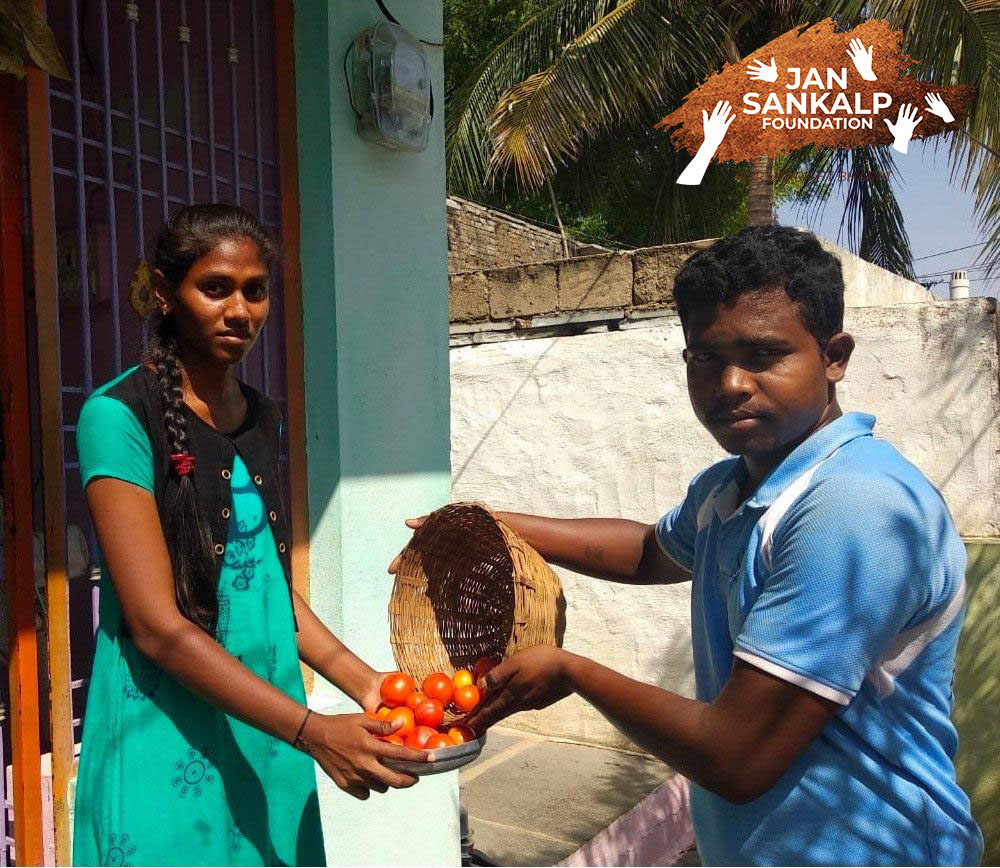
Ensuring 1200 Families Receive Fruits and Vegetables During Lockdown, the Jansnakalp Foundation has been instrumental in this initiative.

In the face of challenging times, we are dedicated to making a positive impact. Our initiative aims to support 1200 families by providing them with a steady supply of fresh fruits and vegetables during the lockdown. With our commitment to community assistance, we strive to ensure that essential needs are met, promoting health and well-being. Join us in our efforts to make a difference and contribute to a stronger, more resilient society.

JanSankalp Foundation’s Water Conservation Initiative

Yarraguntapalli Village, Anantapuram District

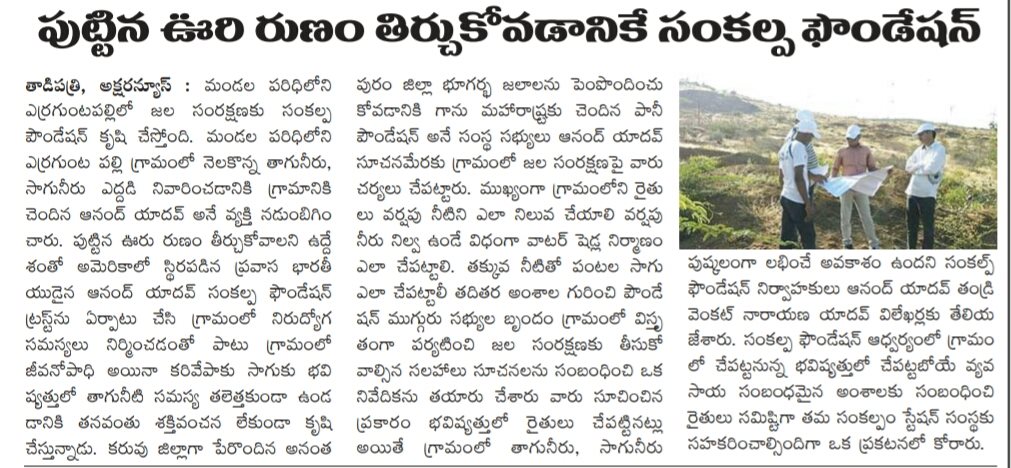
JanSankalp Foundation, through its dedicated efforts, is actively involved in water conservation in Yarraguntapalli village, located in Anantapuram district. An individual named Anand Yadav, a resident of the United States and a member of the JanSankalp Foundation Trust, initiated this project with the aim of addressing water-related challenges in the region and relieving the burden of water scarcity for the farming community. The Foundation members, including Anand Yadav, who hails from Maharashtra, renowned for its groundwater management, conducted various activities related to water conservation in the village. They visited the village extensively, interacted with local farmers, provided guidance on efficient water utilization, constructed water sheds to facilitate rainwater harvesting, and offered advice on irrigation methods using limited water resources. The suggestions and recommendations formulated by the Foundation’s team were compiled into a proposal, which serves as a valuable resource for future water conservation initiatives. Thanks to the collective efforts of the Foundation members, the farmers in the village now have access to adequate water for irrigation and agricultural needs, ensuring a brighter future for their crops. JanSankalp Foundation continues to support and encourage collaboration among farmers to promote sustainable agricultural practices and achieve the goal of water conservation in rural areas.

అనంతపురం జిల్లా ఎర్రగుంట పల్లి గ్రామంలో జల సంరక్షణకు సంకల్ప ఫౌండేషన్ కృషి చేస్తోంది. గ్రామంలో లో నెలకొన్న తాగునీరు, సాగునీరు ఎద్దడి నివారించడానికి గ్రామానికి చెందిన ఆనంద్ యాదవ్ అనే వ్యక్తి నడుం బిగించారు. పుట్టిన ఊరు రుణం తీర్చుకోవాలనే ఉద్దేశంతో అమెరికాలో స్థిరపడిన ప్రవాస భారతీయుడైన ఆనంద్ యాదవ్ సంకల్ప్ ఫౌండేషన్ ట్రస్ట్ ను ఏర్పాటు చేసి గ్రామంలో ఉద్యోగ కల్పన చేయడంతోపాటు జీవనోపాధి అయిన కరివేపాకు సాగుకు భవిష్యత్తులో తాగునీటి సమస్య తలెత్తకుండా ఉండడానికి తన వంతు శక్తివంచన లేకుండా కృషి చేస్తున్నాడు. కరువు జిల్లాగా పేరొందిన అనంతపురం జిల్లాలో భూగర్భ జలాలను పెంపొందించుకోవడానికి గాను మహారాష్ట్రకు చెందిన ఫౌండేషన్ అనే సంస్థ సభ్యులు ఆనంద్ యాదవ్ సూచనమేరకు గ్రామంలో జల సంరక్షణ పై చర్యలు చేపట్టారు. ముఖ్యంగా గ్రామంలోని రైతులు వర్షపు నీటిని ఎలా నిల్వ చేయాలి, వర్షపు నీరు నిల్వ ఉండే విధంగా వాటర్ షెడ్ల నిర్మాణం ఎలా చేపట్టాలి, తక్కువ నీటితో పంటల సాగు ఎలా చేపట్టాలి అనే తదితర అంశాల గురించి పౌండేషన్ ముగ్గురు సభ్యుల బృందం గ్రామంలో విస్తృతంగా పర్యటించి జల సంరక్షణ కొరకు తీసుకోవాల్సిన సలహాలు సూచనలను సంబంధించి ఒక నివేదికను తయారు చేశారు. వారు సూచించిన ప్రకారం భవిష్యత్తులో రైతులు చేపట్టినట్లయితే గ్రామంలో తాగునీరు మరియు సాగునీరు పుష్కలంగా లభించే అవకాశం ఉందని సంకల్ప్ ఫౌండేషన్ నిర్వాహకులు ఆనంద్ యాదవ్ తెలియజేశారు. సంకల్ప్ ఫౌండేషన్ గ్రామంలో చేపట్టనున్న వ్యవసాయ సంబంధమైన అంశాలకు కు, రైతులు సహకరించాల్సిందిగా ఒక ప్రకటనలో కోరారు.