Healthcare Archives - Jansankalp Foundation

The Golden Goose : MedOnGo’s way. By Balaji Krishnammagaru

by Balaji P Krishnammagaru

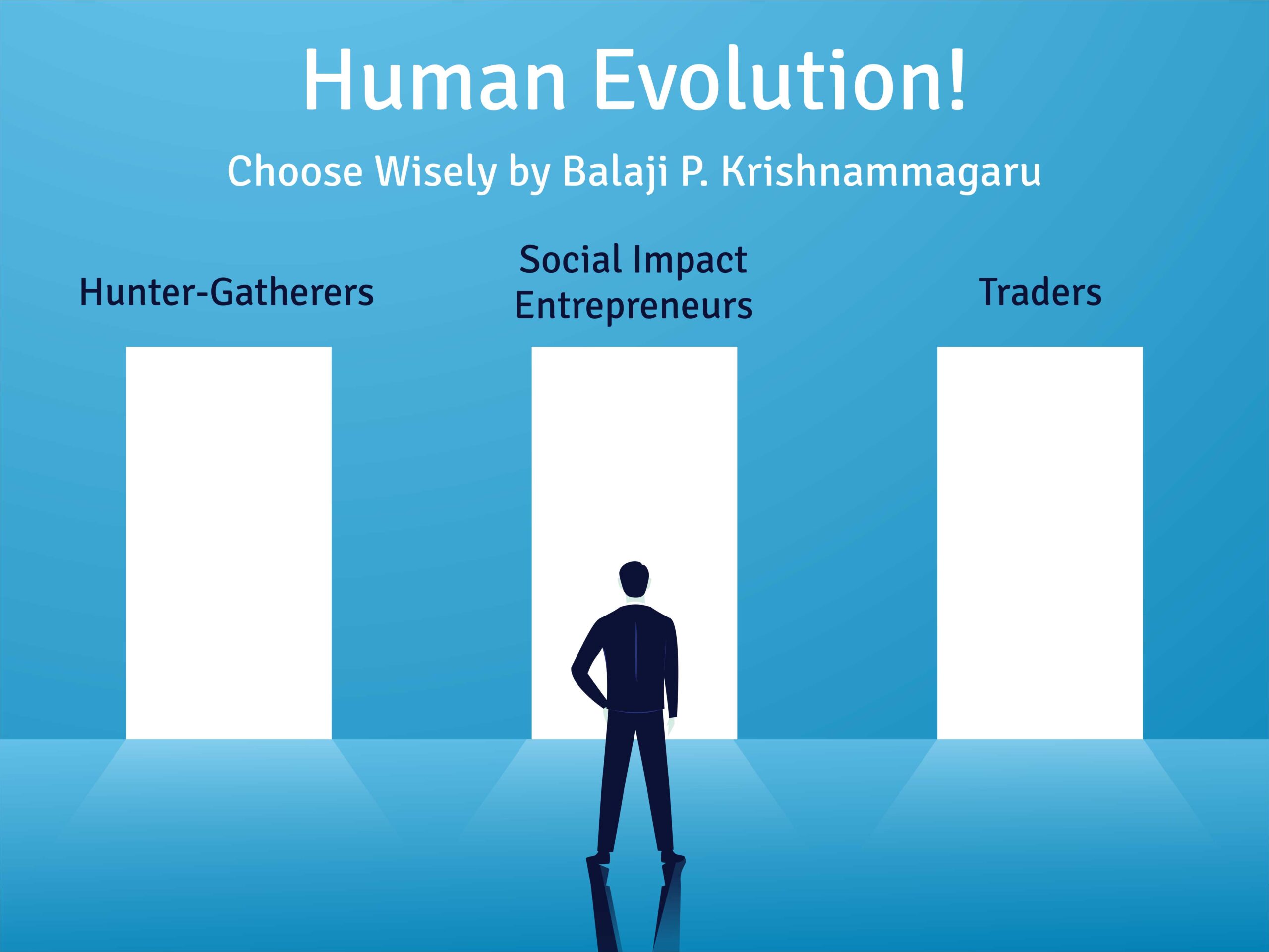
Hunter-gatherers vs. Traders vs. Social Impact Entrepreneurs: Human Evolution.

Once upon a time, three tribes stumbled upon a goose that laid golden eggs. Let’s see what each one does.

The hunter-gatherers were either ignorant or tempted by quick meal or riches. They killed the goose, hoping to feast on its golden eggs and goose. They lived and continued their way of life 😢

The traders however, had a smarter plan. They knew they can wait and get golden eggs and sell them. Instead of killing the goose, they waited for it to lay more eggs. Then, they sold all those golden treasures in the market and became wealthy.

Traditionally this is where the textbook story ends.

Hey, wait, there is more. The social impact entrepreneur’s tribe took a whole new approach. They cared for the goose, ensuring its health, and cared for it. They sold some eggs, but always left enough for hatching more goslings. 🐔

This tribe is educated and are dharmic. Rooted in their education with Dharma, Artha, Kama and Moksha. So, it is not just personal wealth, but a thriving and sustainable environment. With the proceeds, they built a good farm, let the eggs hatch and got few more goslings. With a little more patience, they build an optimal lifecycle and got more in return. They had their time, had fun with their family and friends. They even mastered the art of having more goslings and passed the wisdom to their children and community and even helped other tribes in need. Their business benefited everyone around them. 💚 They earned good Karma!

Are you a hunter-gatherer looking for quick gains? Or a trader to buy and sell? Or, just maybe, a social impact entrepreneur, creating a business that makes a difference? 🌍

What is your approach when it comes to opportunities?

Traditional Medicine in Modern India

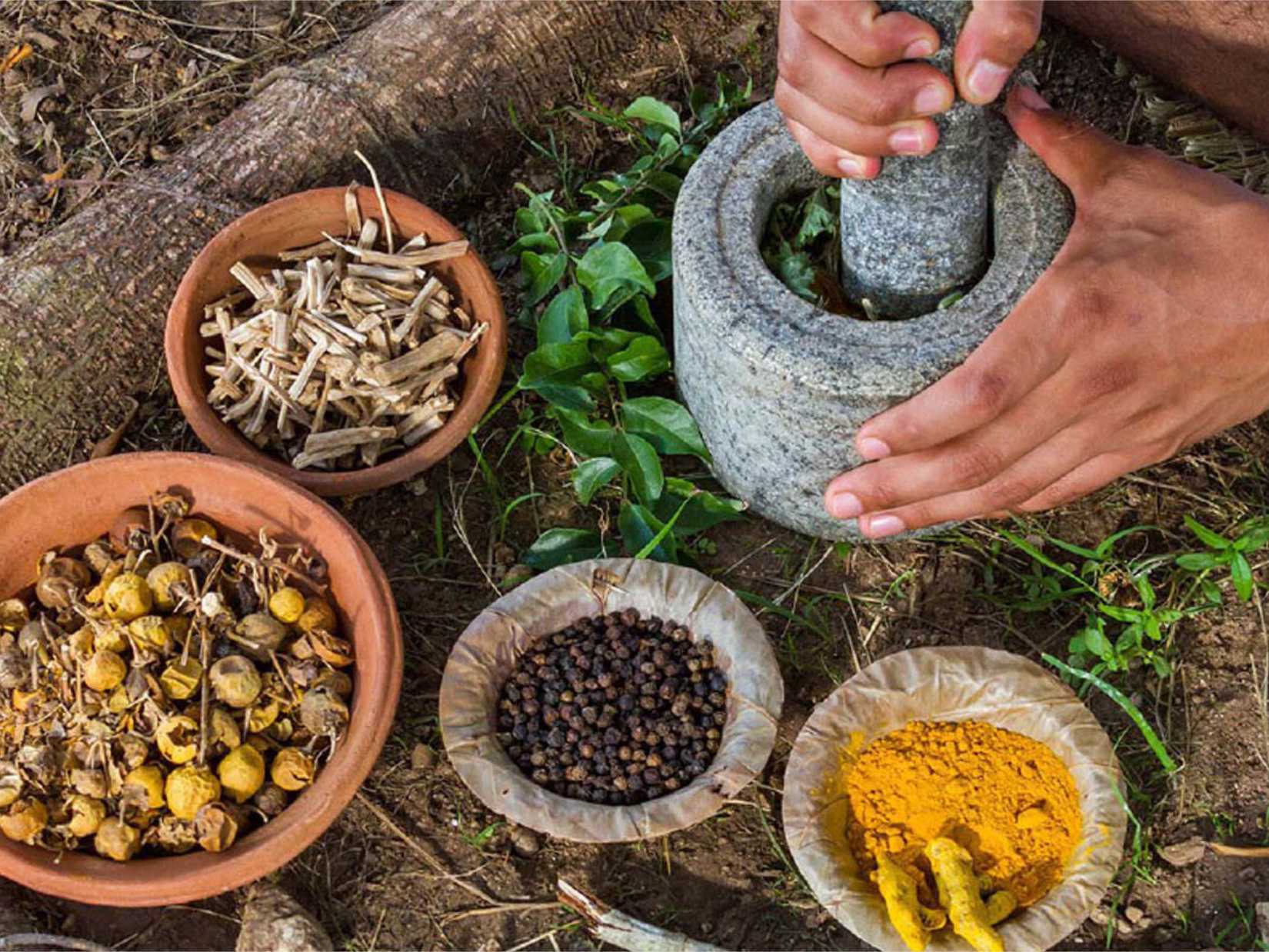
Traditional medicine has been practiced in India for centuries and plays a vital role in the country’s healthcare system. Traditional medicine includes various forms of indigenous systems of medicine, such as Ayurveda, Unani, Siddha, and Homeopathy. These systems of medicine are based on a holistic approach to healthcare, which focuses on the balance between the body, mind, and spirit.

Role of Traditional Medicine in India:

Traditional medicine plays a crucial role in providing healthcare services in India, particularly in rural and remote areas where access to modern healthcare facilities is limited. Traditional medicine is also preferred by a large section of the population due to its effectiveness, affordability, and the absence of adverse effects commonly associated with modern medicine.

Integration with Modern Healthcare System:

The integration of traditional medicine with the modern healthcare system is an ongoing process in India. The government has taken various initiatives to promote the integration of traditional medicine with modern healthcare, such as the creation of the Department of Ayurveda, Yoga, and Naturopathy, Unani, Siddha, and Homeopathy (AYUSH) in 2003. The AYUSH department aims to promote and regulate the practice of traditional medicine in India and to integrate it with modern healthcare.

The integration of traditional medicine with modern healthcare can bring several benefits, such as:

Improved healthcare outcomes: The integration of traditional medicine with modern healthcare can lead to improved healthcare outcomes by providing patients with a range of treatment options that address their specific health needs.

Increased access to healthcare services: The integration of traditional medicine with modern healthcare can increase access to healthcare services, particularly in rural and remote areas where access to modern healthcare facilities is limited.

Cost-effective healthcare: Traditional medicine is often more cost-effective than modern medicine, making it more accessible to patients with limited financial resources.

Promotion of preventive care: Traditional medicine emphasizes the prevention of disease by focusing on lifestyle changes and the promotion of healthy living.

However, there are also some challenges to integrating traditional medicine with modern healthcare, such as:

Lack of standardization: Traditional medicine lacks standardization, making it difficult to regulate and integrate into the modern healthcare system.

Limited research: Traditional medicine lacks extensive scientific research, making it difficult to determine its effectiveness and safety.

Resistance from modern healthcare practitioners: Some modern healthcare practitioners may be resistant to integrating traditional medicine into the healthcare system, considering it to be unscientific and unproven.

To overcome these challenges, the government and healthcare practitioners need to work together to develop a standardized approach to traditional medicine and to conduct scientific research to establish its safety and effectiveness. The integration of traditional medicine with modern healthcare can provide patients with a more comprehensive and holistic approach to healthcare, addressing their physical, mental, and spiritual needs.

“Avoid Antibiotics – there is light at the end of the tunnel”

WHO has declared that AMR is one of the top 10 global public health threats facing humanity. Misuse and overuse of antimicrobials are the main drivers in the development of drug-resistant pathogens.[1] – Avoid Antibiotics

AMR (antimicrobial resistance genes) is a leading cause of death around the world, with the highest burdens in low-resource settings. Understanding the burden of AMR and the leading pathogen–drug combinations contributing to it is crucial to making informed and location-specific policy decisions, particularly about infection prevention and control programs, access to essential antibiotics, and research and development of new vaccines and antibiotics. Data gaps in many low-income groups especially in India and China, emphasizing the need to expand microbiology laboratory capacity and data collection systems to improve our understanding of this important human health threat.  [2]

Human deaths were caused by drug-resistant infections. Antimicrobial resistance genes (ARGs) — mobile genetic elements that can pass between micro-organisms — help to accelerate resistance. 

More than 1.2 million deaths (disability-adjusted life-years – DALYs) attributable to and associated with bacterial AMR for 23 pathogens and 88 pathogens – drug combinations in 204 countries and territories in 2019.

Two Indian Origin Lead Reasercher Lead by Dr. Poonam Dhindwal PhD and a Post-Doctoral Fellow and her team from Western College of Veterinary Medicine (WCVM) said the presence of gene which encodes for Enzyme named EstZ is capable of inactivating macrolides. (The team of researchers include Poonam Dhindwal, Richa Jain and Charis Thompson Antonio Ruzzini Daniel KosKoa Murray Jelinski from University of Saskatchewan (USask) research team of WCVM.) [3]

Its already known that presence of this gene in animal pathogens but its functions unknown. But the gene was found in the cluster of three other ARGs. Further analysis of this gene against different classes of antibiotic drugs led to discovery against macrolides.  

Macrolides are class of antibiotic drugs (Tylosin, tilmicosin and tildipirosin are some antibiotics) used by Veterinary Doctors for respiratory illnesses such as bovine respiratory disease and liver abscesses and few other diseases.

Now, veterinarians may also understand why these drugs may not be working because of presence of the gene.  

The discovery after analyzing bacteria collected from watering bowls at a western Canadian beef cattle feedlot. What the USask research team discovered is that this gene can break the ring structure of the antibiotic through hydrolysis (chemical reaction caused by water). The researchers said the gene breaks the Drugs ring and corrupts the active shape of the drug.  

Further research is needed on the effects of Human beings and other animals about EstT, from the same team well entrenched under the Global Action Plan on Antimicrobial Resistance (GAP)


#krishnammagaru #antiantibiotic #avoidantibiotic #EstT #MedOnGo #Jansankalp #AxiPHYL
Balaji Krishnammagaru

[1] https://www.who.int/news-room/fact-sheets/detail/antimicrobial-resistance

[2] https://www.thelancet.com/journals/lancet/article/PIIS0140-6736(21)02724-0/fulltext

[3] https://www.pnas.org/doi/10.1073/pnas.2219827120

Access to healthcare in India: Issues and solutions

Access to healthcare is a fundamental right of every individual, and it is essential for the overall development of a nation. In India, access to healthcare is a significant challenge, with a large section of the population facing barriers to healthcare services. In this article, we will discuss the issues associated with access to healthcare in India and explore potential solutions.

Issues with Access to Healthcare in India

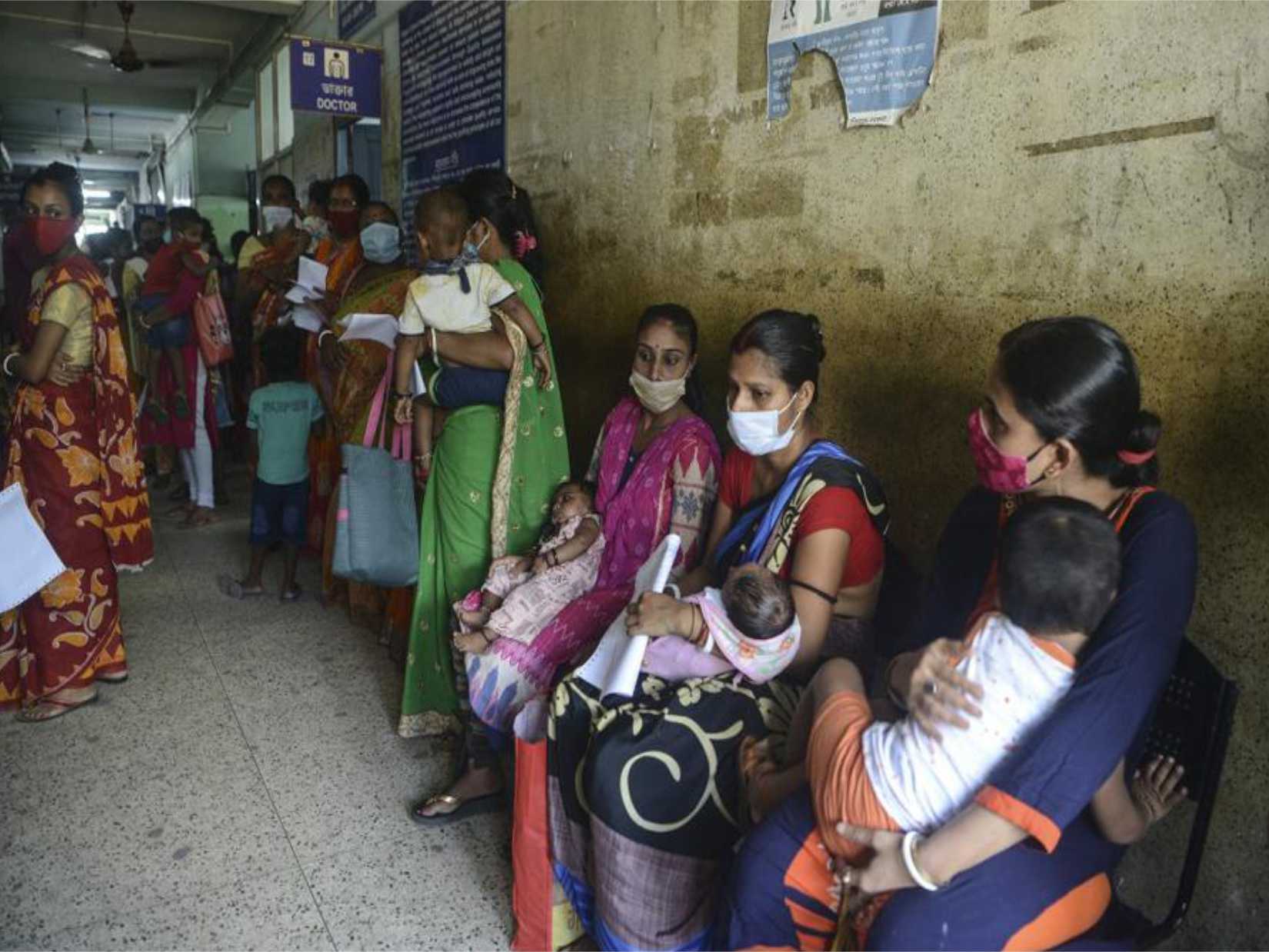
Healthcare Infrastructure: The healthcare infrastructure in India is inadequate, with a shortage of doctors, nurses, and other healthcare professionals. The ratio of doctors to the population is low, and many rural areas lack proper healthcare facilities.

Affordability: Healthcare services in India can be expensive, and many people cannot afford medical treatment. The cost of healthcare services can lead to financial burden and push people into poverty.

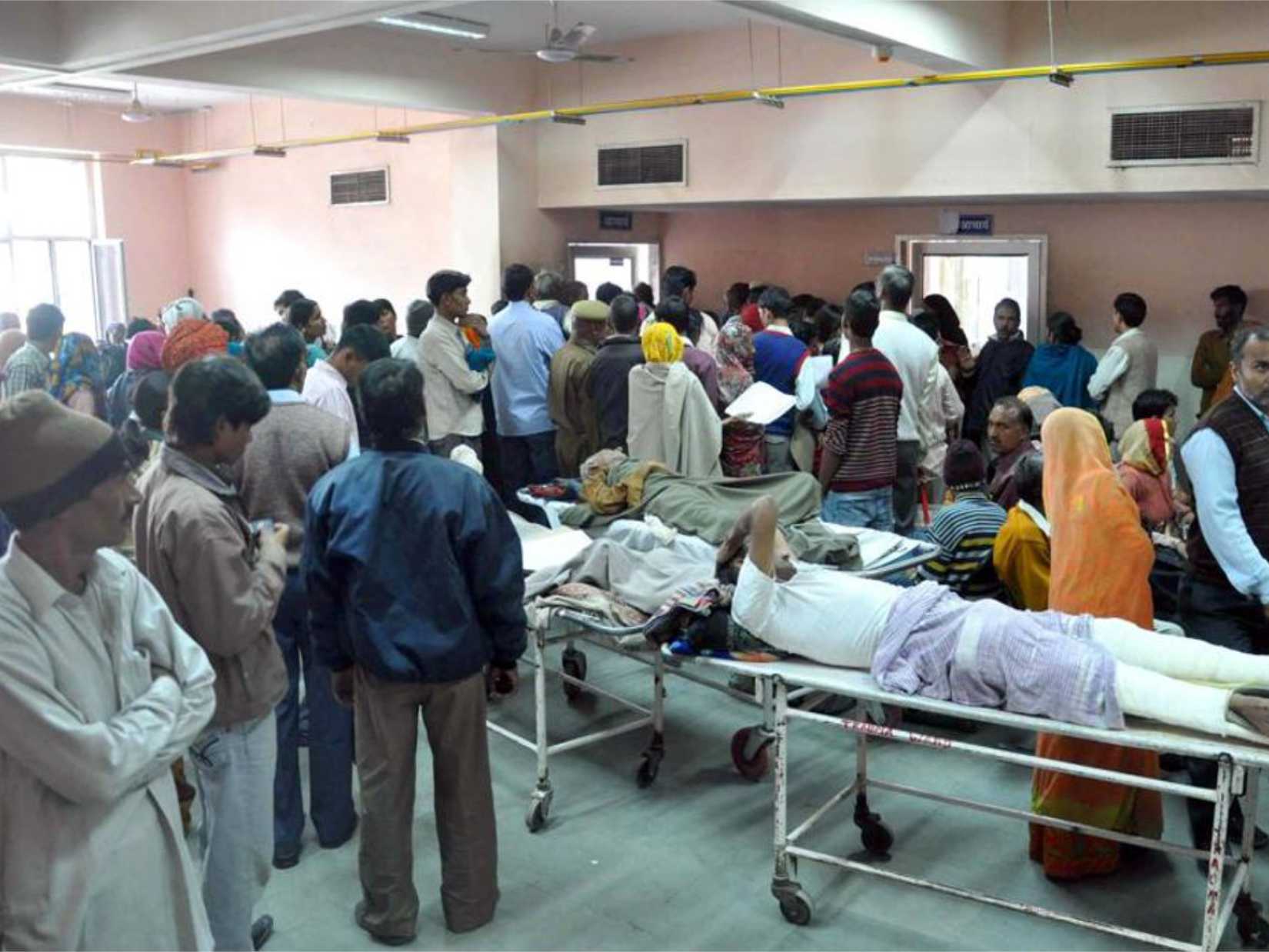
Inadequate Public Healthcare System: The public healthcare system in India is inadequate, with a lack of facilities, equipment, and trained personnel. The public healthcare system is also plagued with issues of corruption and inefficiency.

Urban-Rural Divide: There is a significant urban-rural divide in access to healthcare in India, with rural areas having fewer healthcare facilities and medical professionals.

Solutions for Access to Healthcare in India

Healthcare Infrastructure: The development of healthcare infrastructure, including the establishment of more healthcare facilities, the training of healthcare professionals, and the improvement of medical equipment, can help in improving access to healthcare.

Health Insurance: The implementation of health insurance schemes can help in making healthcare services more affordable and accessible to the public.

Public-Private Partnership: The public-private partnership can help in improving access to healthcare, with the private sector playing a significant role in the development of healthcare facilities and services.

Telemedicine: The implementation of telemedicine, which allows healthcare services to be delivered remotely through technology, can help in improving access to healthcare, particularly in rural areas.

Awareness Campaigns: The promotion of awareness campaigns can help in sensitizing the public about the importance of healthcare and the available healthcare services.

Access to healthcare is a significant challenge in India, with issues of healthcare infrastructure, affordability, and the inadequacy of the public healthcare system. However, the implementation of solutions, such as the development of healthcare infrastructure, health insurance, public-private partnerships, telemedicine, and awareness campaigns, can help in improving access to healthcare. Proper access to healthcare is essential for the overall development of India and the well-being of its people. It is crucial to recognize the importance of access to healthcare and take steps towards sustainable solutions.

Healthcare workforce in India:

Challenges and solutions for recruitment and retention

India faces significant challenges in recruiting and retaining healthcare professionals, which has resulted in a shortage of skilled workers in the sector. In this article, we will examine the challenges facing the healthcare workforce in India and potential solutions to address these issues.

Challenges facing the Healthcare Workforce in India:

Uneven distribution: The healthcare workforce in India is unevenly distributed, with a large concentration of healthcare professionals in urban areas. This has resulted in a shortage of healthcare workers in rural areas, where a majority of the population resides.

Low wages: Healthcare professionals in India are paid low wages compared to their counterparts in other countries. This has resulted in a brain drain, with many Indian healthcare professionals leaving the country to seek better-paying jobs abroad.

Lack of infrastructure: Many healthcare facilities in India lack basic infrastructure, such as clean water, electricity, and medical equipment. This has resulted in poor working conditions for healthcare professionals, which can make it difficult to recruit and retain workers.

Limited training opportunities: Healthcare workers in India often have limited access to training opportunities and continuing education. This can lead to a lack of skills and knowledge among healthcare professionals, which can affect the quality of care they provide.

Solutions for Recruitment and Retention of Healthcare Workers in India:

Improved working conditions: Improving working conditions for healthcare workers can help retain current staff and attract new workers to the field. This can include providing better infrastructure, equipment, and adequate compensation.

Investment in training: Investing in training and continuing education opportunities for healthcare workers can help improve their skills and knowledge, which can result in better quality care for patients. This can include offering scholarships, internships, and other training programs.

Incentives for rural practice: Providing incentives such as bonuses, housing, and other benefits to healthcare workers who practice in rural areas can help address the uneven distribution of the healthcare workforce in India.

Public-private partnerships: Public-private partnerships can help improve the healthcare workforce in India by increasing access to training and education, improving infrastructure and technology, and offering better compensation and benefits.

Use of technology: The use of technology can help improve access to healthcare services in remote areas, which can help address the uneven distribution of the healthcare workforce. This can include telemedicine, mobile clinics, and other innovative solutions.

Recruiting and retaining a skilled healthcare workforce is crucial for improving the health outcomes of the population in India. Addressing the challenges facing the healthcare workforce, including uneven distribution, low wages, lack of infrastructure, and limited training opportunities, will require multifaceted solutions. By improving working conditions, investing in training, providing incentives for rural practice, fostering public-private partnerships, and using technology, India can address the challenges facing the healthcare workforce and improve access to quality healthcare services for all.

Transforming Lives through Free Modern Eye Camp:

JanSankalp Foundation and Sankara Netralaya Collaborate in Yerraguntapalli

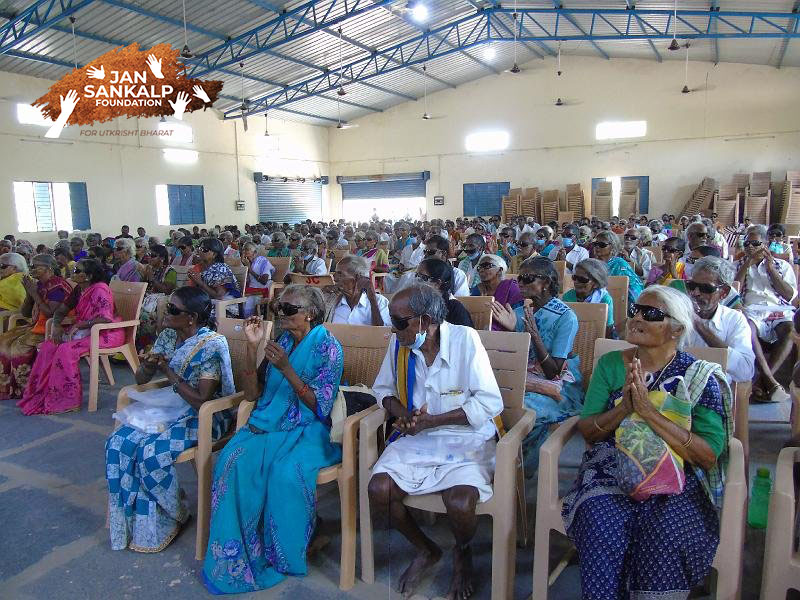
JanSankalp Foundation, in partnership with Sankara Netralaya, Chennai, organized a transformative Free Modern Eye Camp in Yerraguntapalli, Anantapuram district. This initiative aimed to provide essential eye care services to the people residing in the surrounding villages. Between 23rd April 2022 and 3rd May 2022, a total of 1171 patients were screened for various eye conditions. Out of those, 245 patients underwent successful eye surgeries, restoring their vision and improving their quality of life. This collaborative effort between JanSankalp Foundation and Sankara Netralaya highlights their commitment to making a lasting impact on the eye health of individuals in underserved communities. Together, they strive to bring hope and brighter futures to those in need.

దాసరి ఆనంద్, సంకల్ప్ ఫౌండేషన్
మరియు
శంకర నేత్రాలయ కంటి వైద్యశాల, చెన్నై ఆధ్వర్యంలో
యర్రగుంటపల్లి, అనంతపురం-జిల్లా పరిసర గ్రామ ప్రజల నిమిత్తం
అత్యాధునిక ఉచిత కంటిపొర ఆపరేషన్ల శిబిరం
ఏప్రిల్ 23, 2022 నుండి మే 03, 2022 వరకు నిర్వహించడం జరిగింది.
కంటి పరీక్షలు నిర్వహింపబడిన పేషెంట్లు: 1171
కంటి ఆపరేషన్లు నిర్వహింపబడిన పేషెంట్లు: 245