Janasankalp Archives - Page 2 of 6 - Jansankalp Foundation

How we Intend to Deliver Services in our Clinics?

AxiPHYL , MedOnGo , Jansankalp and Healthcare

Iam NOT Sadhguru. Iam Balaji Krishnammagaru. But, time has come to put checks and balances NOW.

BALAJI WITH MULTIPLE THOUGHTS. TRYING TO FIGUREOUT LARGER IMPLICATION AND FALLOUT FROM ONE TO THREE YEARS

Impact of GAI on Health care and Society.

Advances in Artificial Intelligence and Cost of General Intelligence and Impact on Health Workers, Patients, Families and in General Society as a whole.

The availability of artificial intelligence (ML,DL AI etc) and automated artificial intelligent systems, I will be referring to as Artificial Systems. These are as artificial as Chemical Fertilizers used indiscriminately as against organic farming. If I go little further back in human history, faming based settlement form hunter gatherer to farming was shift which made us come to the spot where we are right now. The advances in AI and GAI in next few years, will have such an impact eternally. So, are we at the juncture of Industrial revolution or at the juncture of fire? Farming based settlements? I feel we are up to a major paradigm shift as fire and farming combined with wheel, invention based paradigm shift. FIRE.

I will try to limit my text to Healthcare. My views are contradictory and conflicting as I myself caught in the middle of writing this paper using AI systems. Yes, I will be. Then using AI in our own organization to keep up with competition and yet, looking just 3 years down the line, I don’t know what position I will take given the rapid inevitable changes.

The healthcare industry has the potential to revolutionize the way medical services are delivered. However, it also raises questions about the future role of health workers and mental conditions of patients, families including doctors and nurses and society in general.

To start with in my first post, we will just touch up on how AI and Automated Systems are affecting the health professionals and patients and what steps primary care doctors and the healthcare market can take to prepare for the next three years. This topic is a low hanging fruit.

  • a. For example, AI algorithms can be used to analyze medical images, such as X-rays and CT scans, to make diagnoses more quickly and accurately.
  • For example, Robotic surgery systems can also perform minimally invasive procedures with greater precision and control than human surgeons.

These advancements have the potential to improve the speed and quality of medical services, but they also raise concerns about the future of healthcare.

In the next three years, the use of AI and Fully Automated Robotic Systems in healthcare is expected to increase, leading to a significant reduction in human touch in delivering care.

To prepare for these changes, primary care doctors and the healthcare market must brace themselves for a roller coaster ride. For example, primary care doctors can focus on developing conscious cognitive skills with heart in mind, such as patient communication, emotional intelligence, and empathy, which are difficult for machines to replicate in any near future. It can replace, but what impact does it have on the care receivers?
The healthcare market can also support ongoing upgrade of their technology to stay relevant and education for health workers to keep them current with the latest advancements in technology.

Additionally, the healthcare industry must also prioritize Health Worker based healthcare that values the personal touch and personal relationship aspect of care. This has immense value by showing love and affection which is impossible to recreate and be lively in front of Patient. This can include creating new job roles that cater to the unique strengths of human healthcare workers, such as patient caretakers and health councilor along with family members. By focusing on Health Worker based healthcare, the industry can ensure that patients receive care that prioritizes their well-being in a more humane way and realistic and natural way.

The way I look is that availability of automated monitoring and help systems in the healthcare industry will bring about significant changes in the next one to three years, leading to fear of job losses and economic hardship for some healthcare workers. However, by focusing on human aspects and bringing out emotional coefficient and consciously training health workers on these aspects will mitigate fear of jobs and also improve healthcare, prioritizing Health Worker based healthcare, and considering the ethical implications of these technologies, primary care doctors and the healthcare market can prepare for these changes and ensure a bright future for the industry.

RADIAOLOGIST, PATHOLOGIST?

Generally speaking, jobs that involve technology and interpretation of these tech routine tasks, such as reading medical images, videos, are more susceptible to technology automation than jobs that require higher levels of skill and judgment, such as patient diagnosis and treatment. Just few year ago a Radiologist was and still is highly paid job. Tele radiology was first step and it seeded the advancements. Radiologists offshore saw that as extra income and are suddenly at the receiving end. As a result, radiologists may be more at risk of their job being downgraded to making a physiotherapist job being seen irreplaceable?

However, it is important to note automation (AI or whatever is artificial) NOT to replace healthcare professionals, but rather to augment their work. By focusing on developing conscious cognitive skills, such as looking at patient socio economic cultural and family back grounds and informing reports in person to the Patient and Family with deeper understanding of the impact of a MRI , CT and for that matter a simple XRay . What we see till date is conclusion written at the end of the report and we searching for deeper understanding using Google. Now, that made is Google Patients. Think if it makes us AI Patients? How do we interpret the results as against a radiologist using the AI?

Now, let’s evaluate roles of Lab Technician, Phlebotomist to a Pathologist. Let’s see a general yearly health checkup reports. It has become as routine as it useless. the rates of tests has come down in all sectors like Hematology , bio chemistry etc .But, we are just a year or two away to connect all dots in the yearly health check up with past years data and give a comprehensive view of health .Its already there in few places .

Now what is the role of Pathologist?

There were many jobs created and lost , the easiest example being Medical Transcription. Why was Doctor needed to write in such detail, when did Doctors got overloaded in the west and how it the Transcription Industry started and faded? AI and GAI are no different.

I would not go in detail further, you can take problem statement and get your answers either in Jasper or ChatGPT. Even good old Google

Yeah, good old Google. I am sure the transformer model they invented found its way across and they are up to something up their sleeves. Till they make their plans public, there is no point me pointing out.

Again, good old Google or Google in new avatar, the change is around the corner in months.

Traditional Medicine in Modern India

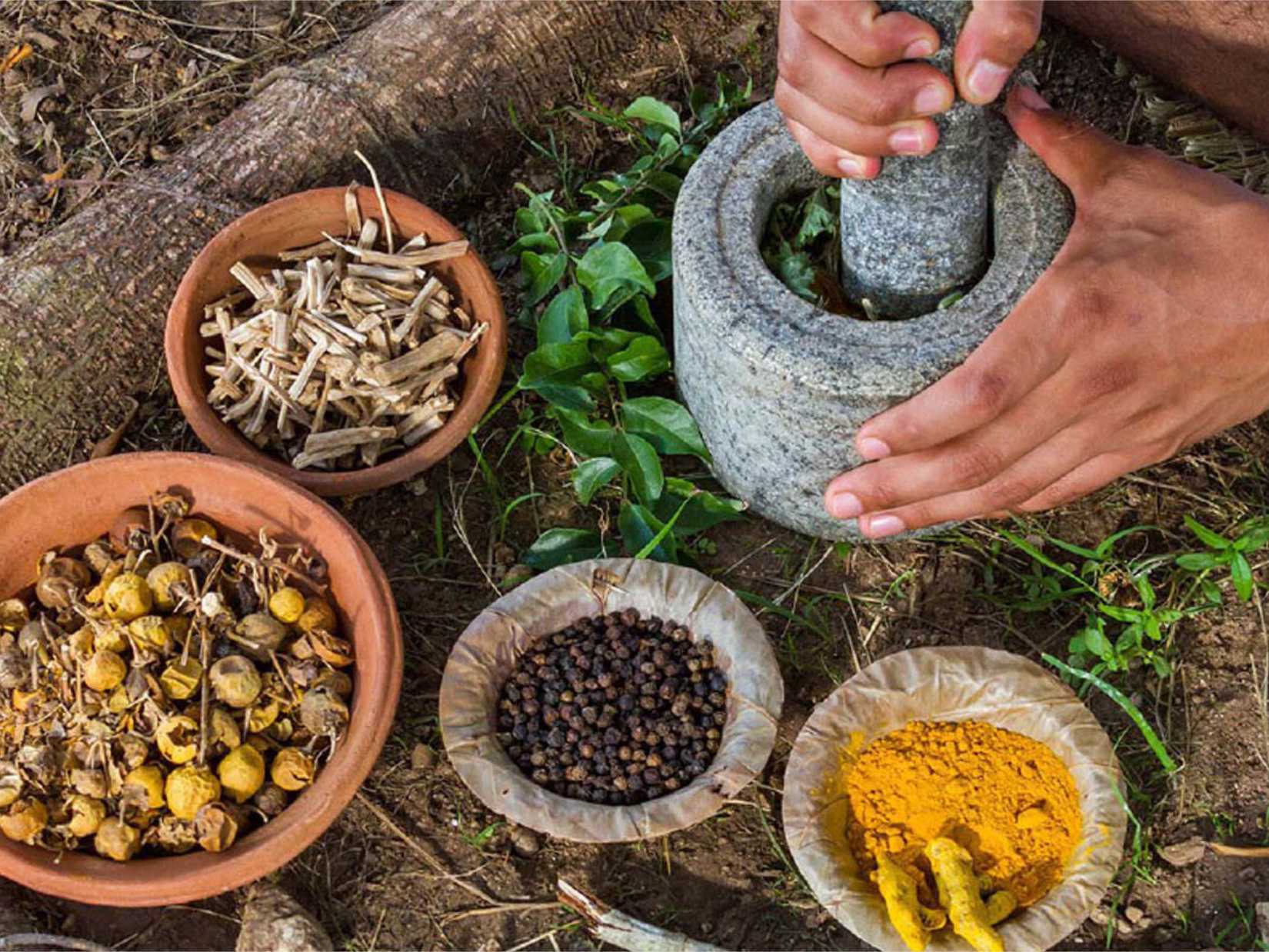
Traditional medicine has been practiced in India for centuries and plays a vital role in the country’s healthcare system. Traditional medicine includes various forms of indigenous systems of medicine, such as Ayurveda, Unani, Siddha, and Homeopathy. These systems of medicine are based on a holistic approach to healthcare, which focuses on the balance between the body, mind, and spirit.

Role of Traditional Medicine in India:

Traditional medicine plays a crucial role in providing healthcare services in India, particularly in rural and remote areas where access to modern healthcare facilities is limited. Traditional medicine is also preferred by a large section of the population due to its effectiveness, affordability, and the absence of adverse effects commonly associated with modern medicine.

Integration with Modern Healthcare System:

The integration of traditional medicine with the modern healthcare system is an ongoing process in India. The government has taken various initiatives to promote the integration of traditional medicine with modern healthcare, such as the creation of the Department of Ayurveda, Yoga, and Naturopathy, Unani, Siddha, and Homeopathy (AYUSH) in 2003. The AYUSH department aims to promote and regulate the practice of traditional medicine in India and to integrate it with modern healthcare.

The integration of traditional medicine with modern healthcare can bring several benefits, such as:

Improved healthcare outcomes: The integration of traditional medicine with modern healthcare can lead to improved healthcare outcomes by providing patients with a range of treatment options that address their specific health needs.

Increased access to healthcare services: The integration of traditional medicine with modern healthcare can increase access to healthcare services, particularly in rural and remote areas where access to modern healthcare facilities is limited.

Cost-effective healthcare: Traditional medicine is often more cost-effective than modern medicine, making it more accessible to patients with limited financial resources.

Promotion of preventive care: Traditional medicine emphasizes the prevention of disease by focusing on lifestyle changes and the promotion of healthy living.

However, there are also some challenges to integrating traditional medicine with modern healthcare, such as:

Lack of standardization: Traditional medicine lacks standardization, making it difficult to regulate and integrate into the modern healthcare system.

Limited research: Traditional medicine lacks extensive scientific research, making it difficult to determine its effectiveness and safety.

Resistance from modern healthcare practitioners: Some modern healthcare practitioners may be resistant to integrating traditional medicine into the healthcare system, considering it to be unscientific and unproven.

To overcome these challenges, the government and healthcare practitioners need to work together to develop a standardized approach to traditional medicine and to conduct scientific research to establish its safety and effectiveness. The integration of traditional medicine with modern healthcare can provide patients with a more comprehensive and holistic approach to healthcare, addressing their physical, mental, and spiritual needs.

“Avoid Antibiotics – there is light at the end of the tunnel”

WHO has declared that AMR is one of the top 10 global public health threats facing humanity. Misuse and overuse of antimicrobials are the main drivers in the development of drug-resistant pathogens.[1] – Avoid Antibiotics

AMR (antimicrobial resistance genes) is a leading cause of death around the world, with the highest burdens in low-resource settings. Understanding the burden of AMR and the leading pathogen–drug combinations contributing to it is crucial to making informed and location-specific policy decisions, particularly about infection prevention and control programs, access to essential antibiotics, and research and development of new vaccines and antibiotics. Data gaps in many low-income groups especially in India and China, emphasizing the need to expand microbiology laboratory capacity and data collection systems to improve our understanding of this important human health threat.  [2]

Human deaths were caused by drug-resistant infections. Antimicrobial resistance genes (ARGs) — mobile genetic elements that can pass between micro-organisms — help to accelerate resistance. 

More than 1.2 million deaths (disability-adjusted life-years – DALYs) attributable to and associated with bacterial AMR for 23 pathogens and 88 pathogens – drug combinations in 204 countries and territories in 2019.

Two Indian Origin Lead Reasercher Lead by Dr. Poonam Dhindwal PhD and a Post-Doctoral Fellow and her team from Western College of Veterinary Medicine (WCVM) said the presence of gene which encodes for Enzyme named EstZ is capable of inactivating macrolides. (The team of researchers include Poonam Dhindwal, Richa Jain and Charis Thompson Antonio Ruzzini Daniel KosKoa Murray Jelinski from University of Saskatchewan (USask) research team of WCVM.) [3]

Its already known that presence of this gene in animal pathogens but its functions unknown. But the gene was found in the cluster of three other ARGs. Further analysis of this gene against different classes of antibiotic drugs led to discovery against macrolides.  

Macrolides are class of antibiotic drugs (Tylosin, tilmicosin and tildipirosin are some antibiotics) used by Veterinary Doctors for respiratory illnesses such as bovine respiratory disease and liver abscesses and few other diseases.

Now, veterinarians may also understand why these drugs may not be working because of presence of the gene.  

The discovery after analyzing bacteria collected from watering bowls at a western Canadian beef cattle feedlot. What the USask research team discovered is that this gene can break the ring structure of the antibiotic through hydrolysis (chemical reaction caused by water). The researchers said the gene breaks the Drugs ring and corrupts the active shape of the drug.  

Further research is needed on the effects of Human beings and other animals about EstT, from the same team well entrenched under the Global Action Plan on Antimicrobial Resistance (GAP)


#krishnammagaru #antiantibiotic #avoidantibiotic #EstT #MedOnGo #Jansankalp #AxiPHYL
Balaji Krishnammagaru

[1] https://www.who.int/news-room/fact-sheets/detail/antimicrobial-resistance

[2] https://www.thelancet.com/journals/lancet/article/PIIS0140-6736(21)02724-0/fulltext

[3] https://www.pnas.org/doi/10.1073/pnas.2219827120

Access to healthcare in India: Issues and solutions

Access to healthcare is a fundamental right of every individual, and it is essential for the overall development of a nation. In India, access to healthcare is a significant challenge, with a large section of the population facing barriers to healthcare services. In this article, we will discuss the issues associated with access to healthcare in India and explore potential solutions.

Issues with Access to Healthcare in India

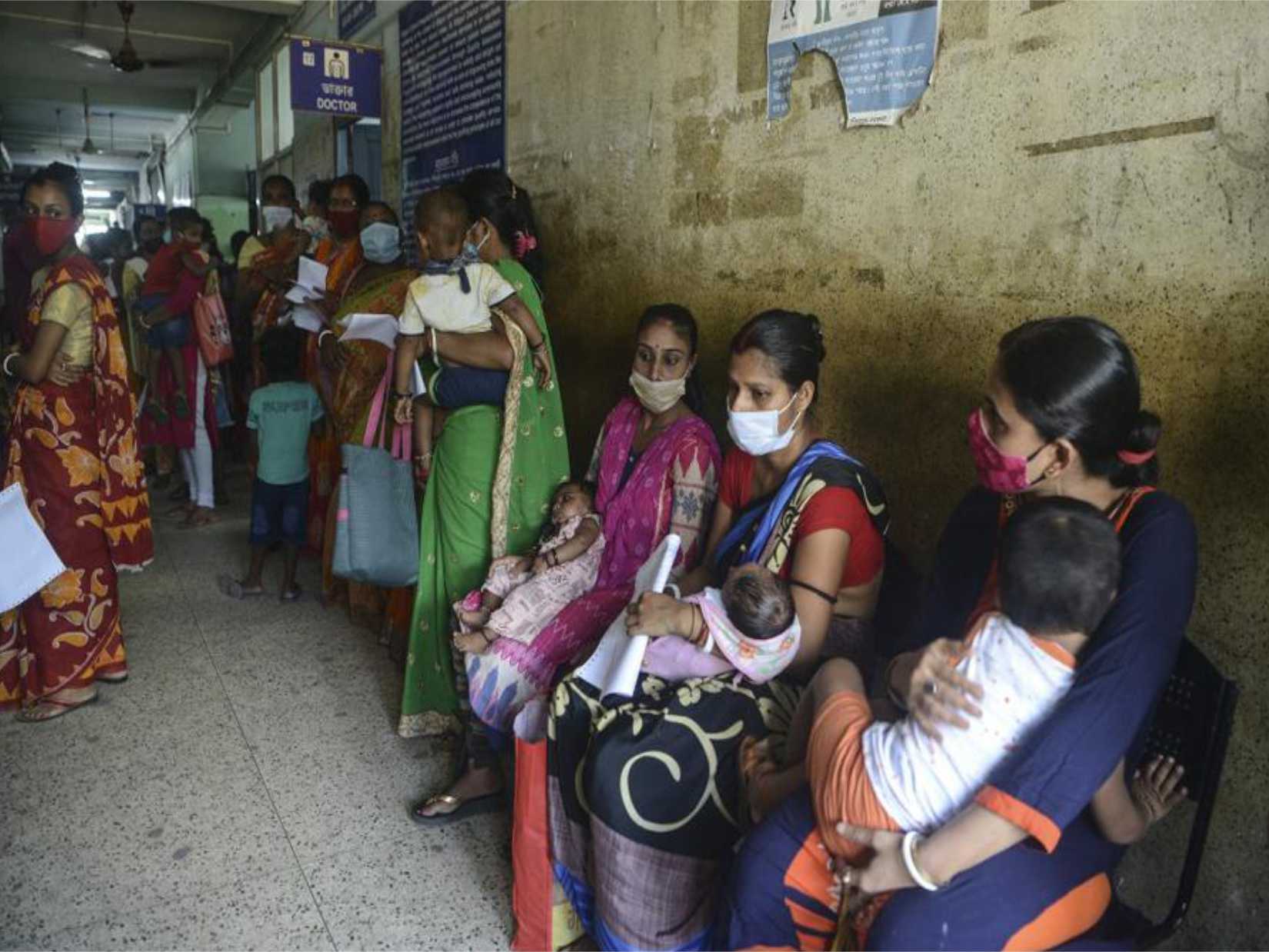
Healthcare Infrastructure: The healthcare infrastructure in India is inadequate, with a shortage of doctors, nurses, and other healthcare professionals. The ratio of doctors to the population is low, and many rural areas lack proper healthcare facilities.

Affordability: Healthcare services in India can be expensive, and many people cannot afford medical treatment. The cost of healthcare services can lead to financial burden and push people into poverty.

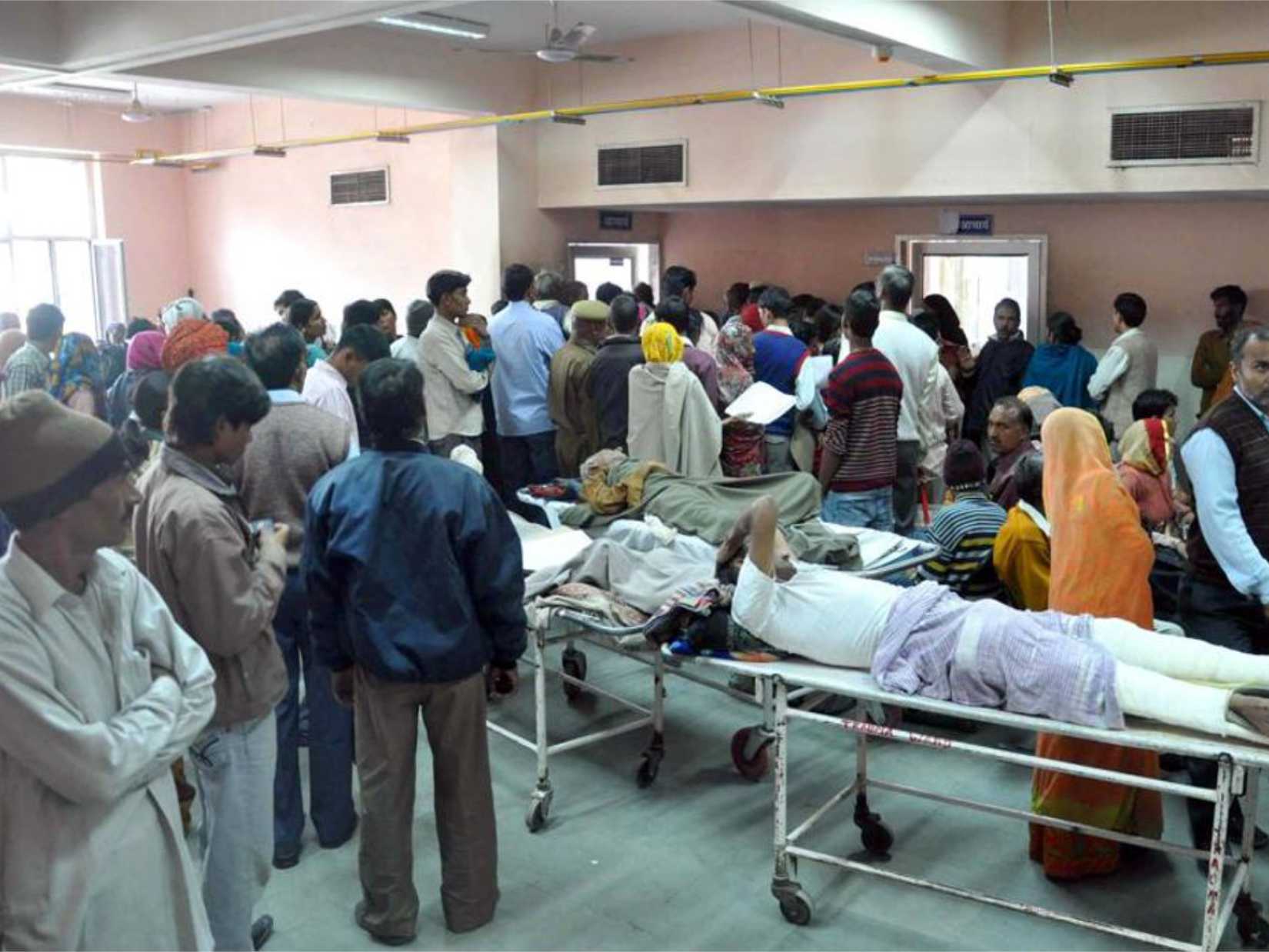
Inadequate Public Healthcare System: The public healthcare system in India is inadequate, with a lack of facilities, equipment, and trained personnel. The public healthcare system is also plagued with issues of corruption and inefficiency.

Urban-Rural Divide: There is a significant urban-rural divide in access to healthcare in India, with rural areas having fewer healthcare facilities and medical professionals.

Solutions for Access to Healthcare in India

Healthcare Infrastructure: The development of healthcare infrastructure, including the establishment of more healthcare facilities, the training of healthcare professionals, and the improvement of medical equipment, can help in improving access to healthcare.

Health Insurance: The implementation of health insurance schemes can help in making healthcare services more affordable and accessible to the public.

Public-Private Partnership: The public-private partnership can help in improving access to healthcare, with the private sector playing a significant role in the development of healthcare facilities and services.

Telemedicine: The implementation of telemedicine, which allows healthcare services to be delivered remotely through technology, can help in improving access to healthcare, particularly in rural areas.

Awareness Campaigns: The promotion of awareness campaigns can help in sensitizing the public about the importance of healthcare and the available healthcare services.

Access to healthcare is a significant challenge in India, with issues of healthcare infrastructure, affordability, and the inadequacy of the public healthcare system. However, the implementation of solutions, such as the development of healthcare infrastructure, health insurance, public-private partnerships, telemedicine, and awareness campaigns, can help in improving access to healthcare. Proper access to healthcare is essential for the overall development of India and the well-being of its people. It is crucial to recognize the importance of access to healthcare and take steps towards sustainable solutions.

Urbanization and its impact on the environment in India: Challenges and sustainable solutions

Urbanization is the process by which people migrate from rural to urban areas to seek better opportunities and a better standard of living. India, the second-most populous country in the world, has been experiencing rapid urbanization in recent years. According to the World Bank, India’s urban population is projected to reach 600 million by 2030. While urbanization has its advantages, it also poses significant challenges to the environment.

Impact of Urbanization on the Environment

The process of urbanization has resulted in several environmental challenges. Some of the significant impacts of urbanization on the environment are:

Air Pollution: Urban areas are characterized by high levels of air pollution due to industrial activities, vehicular emissions, and construction activities.

Water Pollution: Urbanization has resulted in the pollution of water bodies due to the discharge of untreated sewage and industrial effluents.

Land Use Changes: The rapid pace of urbanization has resulted in the conversion of agricultural land and forests into urban areas. This has resulted in the loss of biodiversity and natural habitats.

Waste Management: Urbanization has resulted in the generation of large amounts of solid waste, which pose a significant challenge for waste management.

Challenges of Urbanization in India

Inadequate Infrastructure: Urbanization has resulted in the strain on existing infrastructure such as roads, water supply, and sanitation.

Lack of Affordable Housing: The rapid pace of urbanization has resulted in the demand for affordable housing, which has not been met by the existing housing stock.

Unemployment: Urbanization has not been able to provide employment opportunities to the growing urban population, resulting in widespread poverty and social inequality.

Climate Change: Urbanization has resulted in the emission of greenhouse gases, contributing to climate change.

Sustainable Solutions

Planning: Urban planning should be done in a sustainable manner, taking into account the ecological balance of the area. There should be adequate provisions for green spaces, public transportation, and waste management.

Renewable Energy: The use of renewable energy sources such as solar and wind power should be encouraged to reduce greenhouse gas emissions.

Water Conservation: Water conservation techniques such as rainwater harvesting and water recycling should be implemented to reduce water pollution and ensure sustainable water use.

Green Building: Green building techniques should be promoted to reduce the energy consumption of buildings and their impact on the environment.

Urbanization has resulted in significant environmental challenges in India. However, sustainable solutions can help to mitigate these challenges and ensure a better future for the growing urban population. It is essential to adopt a holistic approach to urban planning, taking into account the ecological balance of the area and ensuring that development is sustainable in the long term.

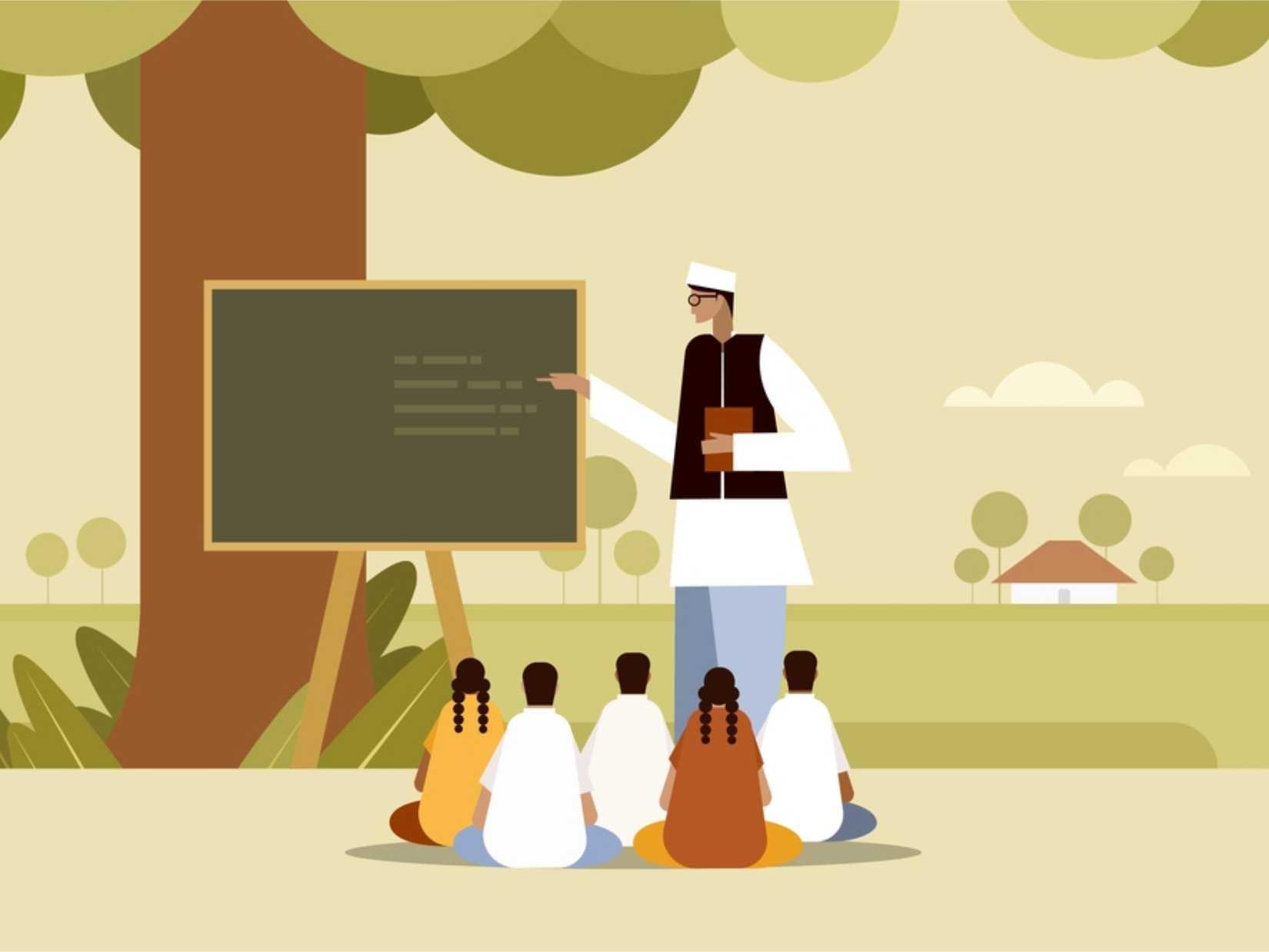
Gurukul Culture of Education in India: A Journey through Time

India has a rich history of education, with the Gurukul system being one of the oldest and most revered. In the Gurukul system, students lived with their teacher (Guru) in an ashram, where they received a holistic education that included not only academic subjects but also physical, emotional, and spiritual development.

The Gurukul system flourished in ancient India, with renowned scholars such as Charaka, Panini, and Aryabhata emerging from these institutions. The system continued to thrive even during the medieval period, with notable Gurukuls such as Nalanda and Taxila attracting students from across the world.

However, with the advent of colonialism and the introduction of the British education system, the Gurukul system began to decline. The emphasis on rote learning and the neglect of practical skills in the British system created a gap between education and employment, which led to a decline in the popularity of Gurukuls.

In recent years, there has been a renewed interest in the Gurukul system, with many educational institutions attempting to revive this ancient tradition. The emphasis on personalized attention, experiential learning, and the integration of spiritual and moral values in education has led many to believe that the Gurukul system can provide solutions to the problems plaguing the modern education system in India.

However, reviving the Gurukul system in its true form is not without its challenges. The lack of infrastructure, trained teachers, and funding pose significant obstacles to the widespread adoption of this system. Moreover, adapting the Gurukul system to the needs of the modern world while preserving its essence is a delicate balance that needs to be struck.

In conclusion, the Gurukul system of education in India is an ancient and revered tradition that has much to offer to the modern world. While it may not be a panacea for all the problems in the current education system, incorporating its unique features can certainly enrich and enhance the learning experience for students. It is a journey through time that requires patience, perseverance, and a deep commitment to the ideals of education.

Preserving Cultural Believes in India 2023

India is a land of diverse cultures, beliefs, and traditions. With a history spanning thousands of years, India has always been known for its rich cultural heritage. However, in recent times, there has been growing concern about the preservation of these cultural beliefs and practices. With the rise of globalization and modernization, there is a fear that the younger generation may lose touch with their roots.

It is crucial to preserve these cultural beliefs and practices as they are an integral part of India’s identity. They help us understand our history, traditions, and way of life. Moreover, they provide a sense of belonging and identity to individuals and communities.

One of the key ways to preserve cultural beliefs in India is through education. Schools and educational institutions play a vital role in educating children about their cultural heritage. It is essential to include subjects such as history, literature, and art that focus on the rich cultural heritage of India. Children must be taught to appreciate and respect their traditions from a young age.

Another way to preserve cultural beliefs is through the arts. India has a rich tradition of music, dance, and theater, which have been passed down from generation to generation. By promoting and preserving these art forms, we can ensure that our cultural beliefs and traditions are not lost.

Community events and festivals are another way to preserve cultural beliefs. These events provide an opportunity for people to come together, celebrate their traditions, and pass them on to the younger generation. It is essential to ensure that these events are inclusive and accessible to everyone.

Finally, it is crucial to document and preserve cultural beliefs through research and documentation. This includes collecting and preserving artifacts, recording oral histories, and documenting traditional practices. By doing so, we can ensure that our cultural heritage is not lost and can be passed down to future generations.

In conclusion, preserving cultural beliefs in India is crucial for maintaining our cultural heritage, identity, and way of life. It is essential to educate the younger generation about their traditions, promote and preserve the arts, organize community events and festivals, and document and preserve our cultural heritage. By doing so, we can ensure that our cultural beliefs and practices continue to thrive and evolve for generations to come.

Growth Of Technology and Its Impact on Indian Culture

India has witnessed a significant growth in technology in the past few decades. With the rise of the internet, mobile devices, and social media, technology has become an integral part of our lives. While technology has undoubtedly brought many benefits, it has also had a profound impact on Indian culture.

One of the most significant impacts of technology on Indian culture has been the rise of a new generation of digital natives. Young people today are more connected than ever before and are heavily influenced by the internet and social media. This has led to a shift in attitudes and values, with many young people embracing more liberal and cosmopolitan views.

Technology has also had a significant impact on Indian language and communication. With the rise of the internet and mobile devices, many young people are now communicating in English or a hybrid of English and their native language. This has led to concerns about the erosion of traditional language and cultural norms.

Moreover, technology has also affected traditional social structures and relationships. With the rise of social media and dating apps, young people are increasingly forming relationships and social connections outside their immediate communities. This has led to a shift in the traditional family structures and societal norms.

However, technology has also had some positive impacts on Indian culture. For instance, it has provided a platform for the preservation and promotion of Indian art, music, and dance. Platforms such as YouTube and social media have made it easier for artists to showcase their work and reach a global audience.

Furthermore, technology has also helped in the preservation and dissemination of traditional knowledge and practices. Digital libraries, online archives, and e-books have made it easier for people to access and learn about traditional knowledge systems.

In conclusion, technology has had a profound impact on Indian culture. While it has brought many benefits, it has also posed significant challenges. It is essential to strike a balance between embracing the benefits of technology while also preserving our cultural heritage and traditions. By doing so, we can ensure that technology continues to enrich our lives while also maintaining the richness and diversity of Indian culture.

Influence of Colonialism on Indian Culture

The influence of colonialism on Indian culture has been significant and long-lasting. For over 200 years, India was ruled by various European powers, including the Portuguese, Dutch, French, and British. This period had a profound impact on Indian society, culture, and politics.

One of the most significant impacts of colonialism on Indian culture was the introduction of Western ideas and values. The British, in particular, had a profound impact on Indian culture, introducing English language, literature, and education. This led to a gradual shift in the attitudes and values of the Indian elite, who began to adopt Western ideas and customs.

Moreover, colonialism also had an impact on Indian art, architecture, and music. The British introduced Western art forms and styles, which gradually replaced traditional Indian art and music. The British also introduced new architectural styles, which can be seen in many buildings and monuments in India today.

The impact of colonialism on Indian society was also significant. The British introduced new social structures and norms, which led to a shift in traditional Indian social structures. The introduction of English education and Western ideas also led to the emergence of a new middle class, which played a significant role in the Indian independence movement.

Colonialism also had a profound impact on Indian politics. The British introduced a system of government and administration, which was designed to maintain their hold on India. This led to the emergence of a new class of Indian elites who were educated in English and who played a crucial role in the Indian independence movement.

Finally, colonialism also had an impact on Indian religion and spirituality. The British introduced Western ideas about religion and spirituality, which led to a gradual erosion of traditional Indian beliefs and practices. Moreover, the British also introduced new forms of Christianity, which had a significant impact on Indian Christianity.

In conclusion, the impact of colonialism on Indian culture was profound and far-reaching. It introduced new ideas and values, which led to a gradual shift in Indian attitudes and values. It also had an impact on Indian art, architecture, music, society, politics, and religion. While colonialism had many negative impacts, it also played a significant role in the emergence of modern India.

Healthcare workforce in India:

Challenges and solutions for recruitment and retention

India faces significant challenges in recruiting and retaining healthcare professionals, which has resulted in a shortage of skilled workers in the sector. In this article, we will examine the challenges facing the healthcare workforce in India and potential solutions to address these issues.

Challenges facing the Healthcare Workforce in India:

Uneven distribution: The healthcare workforce in India is unevenly distributed, with a large concentration of healthcare professionals in urban areas. This has resulted in a shortage of healthcare workers in rural areas, where a majority of the population resides.

Low wages: Healthcare professionals in India are paid low wages compared to their counterparts in other countries. This has resulted in a brain drain, with many Indian healthcare professionals leaving the country to seek better-paying jobs abroad.

Lack of infrastructure: Many healthcare facilities in India lack basic infrastructure, such as clean water, electricity, and medical equipment. This has resulted in poor working conditions for healthcare professionals, which can make it difficult to recruit and retain workers.

Limited training opportunities: Healthcare workers in India often have limited access to training opportunities and continuing education. This can lead to a lack of skills and knowledge among healthcare professionals, which can affect the quality of care they provide.

Solutions for Recruitment and Retention of Healthcare Workers in India:

Improved working conditions: Improving working conditions for healthcare workers can help retain current staff and attract new workers to the field. This can include providing better infrastructure, equipment, and adequate compensation.

Investment in training: Investing in training and continuing education opportunities for healthcare workers can help improve their skills and knowledge, which can result in better quality care for patients. This can include offering scholarships, internships, and other training programs.

Incentives for rural practice: Providing incentives such as bonuses, housing, and other benefits to healthcare workers who practice in rural areas can help address the uneven distribution of the healthcare workforce in India.

Public-private partnerships: Public-private partnerships can help improve the healthcare workforce in India by increasing access to training and education, improving infrastructure and technology, and offering better compensation and benefits.

Use of technology: The use of technology can help improve access to healthcare services in remote areas, which can help address the uneven distribution of the healthcare workforce. This can include telemedicine, mobile clinics, and other innovative solutions.

Recruiting and retaining a skilled healthcare workforce is crucial for improving the health outcomes of the population in India. Addressing the challenges facing the healthcare workforce, including uneven distribution, low wages, lack of infrastructure, and limited training opportunities, will require multifaceted solutions. By improving working conditions, investing in training, providing incentives for rural practice, fostering public-private partnerships, and using technology, India can address the challenges facing the healthcare workforce and improve access to quality healthcare services for all.