Environment Archives - Jansankalp Foundation

The Golden Goose : MedOnGo’s way. By Balaji Krishnammagaru

by Balaji P Krishnammagaru

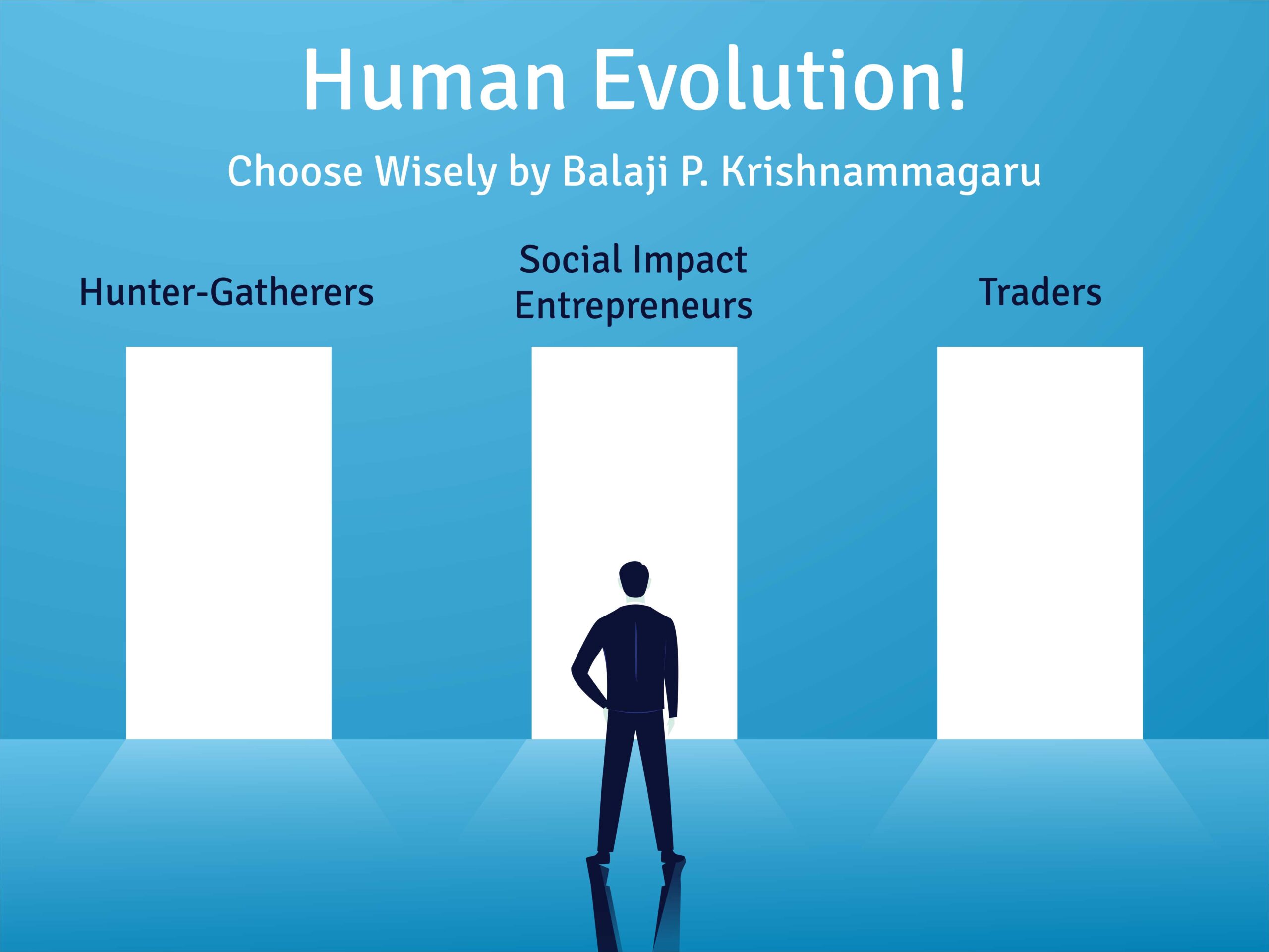
Hunter-gatherers vs. Traders vs. Social Impact Entrepreneurs: Human Evolution.

Once upon a time, three tribes stumbled upon a goose that laid golden eggs. Let’s see what each one does.

The hunter-gatherers were either ignorant or tempted by quick meal or riches. They killed the goose, hoping to feast on its golden eggs and goose. They lived and continued their way of life 😢

The traders however, had a smarter plan. They knew they can wait and get golden eggs and sell them. Instead of killing the goose, they waited for it to lay more eggs. Then, they sold all those golden treasures in the market and became wealthy.

Traditionally this is where the textbook story ends.

Hey, wait, there is more. The social impact entrepreneur’s tribe took a whole new approach. They cared for the goose, ensuring its health, and cared for it. They sold some eggs, but always left enough for hatching more goslings. 🐔

This tribe is educated and are dharmic. Rooted in their education with Dharma, Artha, Kama and Moksha. So, it is not just personal wealth, but a thriving and sustainable environment. With the proceeds, they built a good farm, let the eggs hatch and got few more goslings. With a little more patience, they build an optimal lifecycle and got more in return. They had their time, had fun with their family and friends. They even mastered the art of having more goslings and passed the wisdom to their children and community and even helped other tribes in need. Their business benefited everyone around them. 💚 They earned good Karma!

Are you a hunter-gatherer looking for quick gains? Or a trader to buy and sell? Or, just maybe, a social impact entrepreneur, creating a business that makes a difference? 🌍

What is your approach when it comes to opportunities?

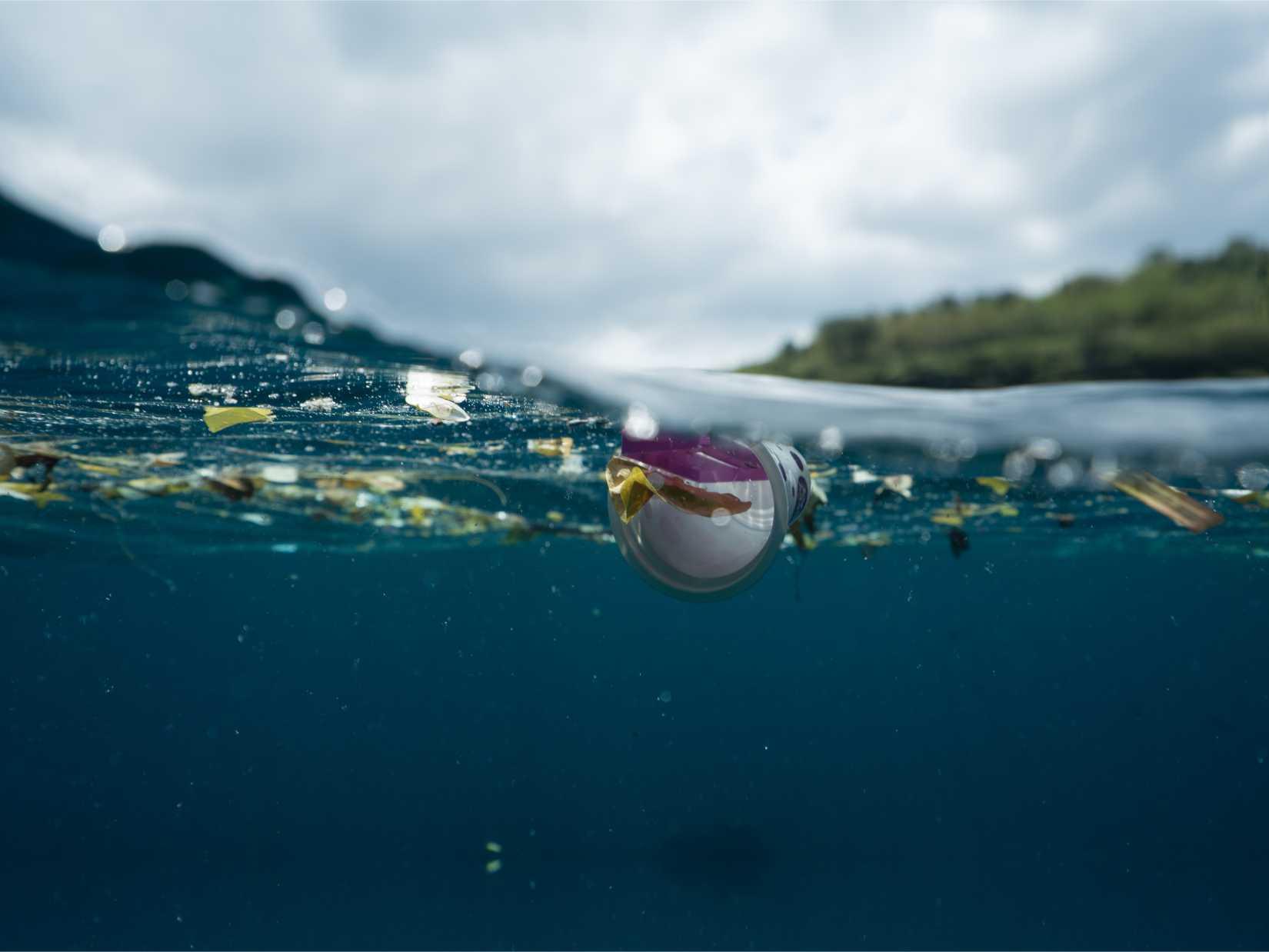
Marine pollution in India: Causes and solutions for a cleaner ocean

Marine pollution is a significant environmental problem in India, with the country being home to one of the largest coastlines in the world. The Indian Ocean is a vital resource for the country’s economy and sustenance, providing fish and seafood, tourism, and shipping lanes. However, the ocean is under threat from various forms of pollution, including plastic waste, sewage, oil spills, and industrial effluents. In this article, we will discuss the causes of marine pollution in India and the solutions for a cleaner ocean.

Causes of Marine Pollution in India

Plastic Pollution: The excessive use of plastic products, coupled with inadequate waste management systems, has led to the accumulation of plastic waste in the ocean. India is one of the largest producers of plastic waste globally, with an estimated 26,000 tons of plastic waste generated daily.

Sewage Discharge: Most coastal cities in India discharge untreated sewage into the ocean, leading to the contamination of water and marine life. The lack of sewage treatment plants and poor sanitation infrastructure exacerbates the problem.

Oil Spills: India is a hub for oil and gas exploration and transportation, leading to the risk of oil spills. Oil spills not only harm marine life but also impact fishing and tourism industries.

Industrial Effluents: The discharge of industrial effluents, including heavy metals and chemicals, into the ocean, poses a significant threat to marine life and water quality.

Solutions for a Cleaner Ocean

Reduce Plastic Use: The government and private sector need to work together to reduce plastic use by promoting alternatives, such as biodegradable products, and implementing effective waste management systems.

Improved Sewage Treatment: The construction of sewage treatment plants, coupled with the promotion of proper sanitation infrastructure, can significantly reduce sewage discharge into the ocean.

Strengthening Environmental Regulations: Stringent environmental regulations must be put in place to prevent industrial effluent discharge into the ocean.

Oil Spill Response Plans: The development of effective oil spill response plans can mitigate the impact of oil spills on the environment.

Awareness and Education: The promotion of awareness and education campaigns can help in sensitizing the public about the importance of marine conservation and ways to reduce pollution.

Marine pollution is a severe environmental problem in India, which requires immediate attention and action. The implementation of solutions, such as reducing plastic use, improved sewage treatment, and strengthening environmental regulations, can help in mitigating the impact of marine pollution. A cleaner ocean is not only essential for the sustainability of marine life but also for the country’s economy and well-being. It is essential to recognize the importance of the ocean and take steps towards preserving it for future generations.

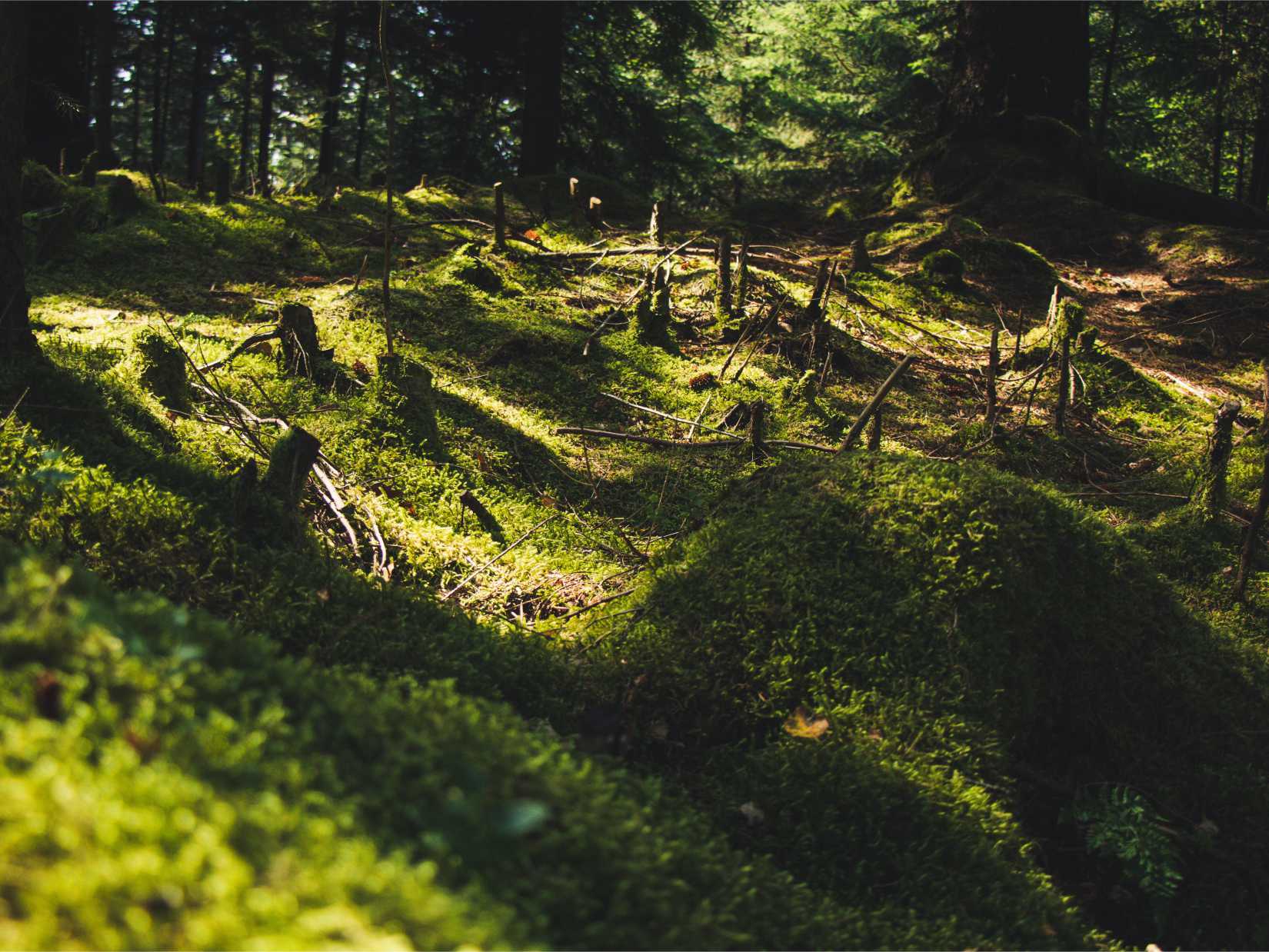
Deforestation and biodiversity loss in India: Causes and solutions

Deforestation and biodiversity loss are significant environmental challenges facing India. The country has lost a significant portion of its forest cover in the last few decades, leading to a decline in biodiversity and other negative impacts. In this article, we will explore the causes and solutions to deforestation and biodiversity loss in India.

Causes of Deforestation and Biodiversity Loss in India

Agricultural Expansion: One of the main drivers of deforestation in India is agricultural expansion. As the population grows, the demand for food increases, leading to the conversion of forests into farmland. This process is particularly prevalent in regions with high levels of poverty, where people rely on subsistence agriculture to survive.

Illegal Logging: Another significant cause of deforestation in India is illegal logging. Despite laws prohibiting the cutting of trees without permits, illegal logging continues to occur, driven by the high demand for timber and other forest products.

Mining: The mining industry is also a significant contributor to deforestation in India. The extraction of minerals, such as coal and iron ore, requires large areas of land to be cleared, leading to the destruction of forests and loss of biodiversity.

Urbanization: As cities expand, they require more land, leading to the conversion of forested areas into urban spaces. This process is often accompanied by the construction of roads, which further fragment forest habitats, making it difficult for wildlife to move between areas.

Solutions to Deforestation and Biodiversity Loss in India

Reforestation: One of the most effective solutions to deforestation and biodiversity loss is reforestation. Planting trees can help to restore degraded forests, providing habitat for wildlife and helping to mitigate the impacts of climate change.

Protected Areas: Creating protected areas can help to preserve biodiversity by providing safe habitats for wildlife. These areas can also provide economic benefits through ecotourism.

Sustainable Agriculture: Promoting sustainable agriculture practices can help to reduce the pressure on forests by increasing food production on existing farmland. This can include techniques such as agroforestry, which combines crops with trees to create a more diverse and sustainable farming system.

Reducing Demand for Timber: Reducing the demand for timber and other forest products can help to reduce the pressure on forests. This can be achieved through measures such as promoting sustainable wood products, reducing waste, and encouraging recycling.

Enforcing Laws and Regulations: Enforcing laws and regulations designed to protect forests is essential to reducing deforestation and biodiversity loss. This includes cracking down on illegal logging and ensuring that companies are complying with regulations related to mining and other activities that impact forests.

In conclusion, deforestation and biodiversity loss are significant environmental challenges facing India. Addressing these issues requires a multifaceted approach, including reforestation, creating protected areas, promoting sustainable agriculture, reducing demand for timber, and enforcing laws and regulations. By working together, we can help to preserve India’s forests and protect its biodiversity for future generations.

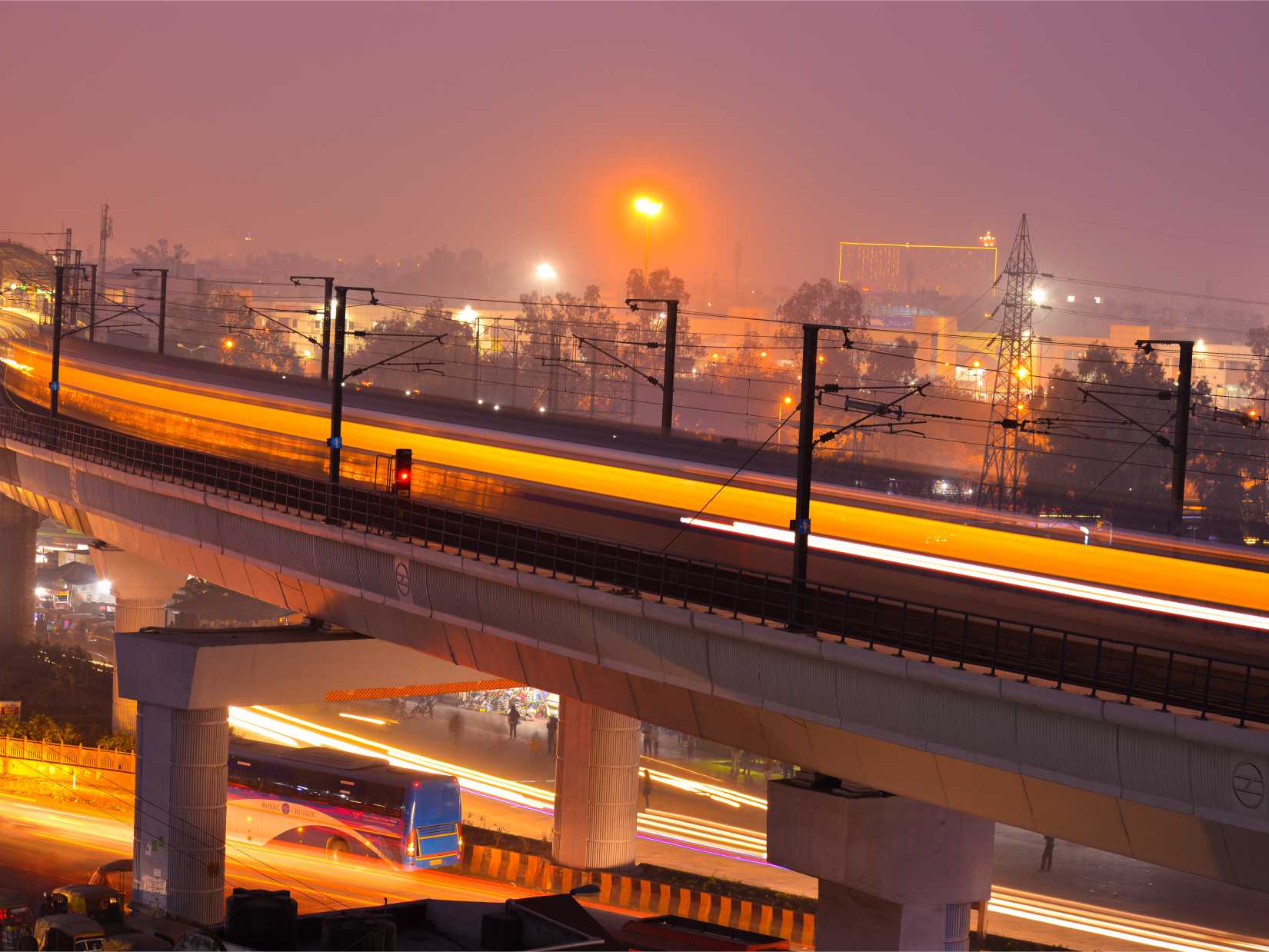
Urbanization and its impact on the environment in India: Challenges and sustainable solutions

Urbanization is the process by which people migrate from rural to urban areas to seek better opportunities and a better standard of living. India, the second-most populous country in the world, has been experiencing rapid urbanization in recent years. According to the World Bank, India’s urban population is projected to reach 600 million by 2030. While urbanization has its advantages, it also poses significant challenges to the environment.

Impact of Urbanization on the Environment

The process of urbanization has resulted in several environmental challenges. Some of the significant impacts of urbanization on the environment are:

Air Pollution: Urban areas are characterized by high levels of air pollution due to industrial activities, vehicular emissions, and construction activities.

Water Pollution: Urbanization has resulted in the pollution of water bodies due to the discharge of untreated sewage and industrial effluents.

Land Use Changes: The rapid pace of urbanization has resulted in the conversion of agricultural land and forests into urban areas. This has resulted in the loss of biodiversity and natural habitats.

Waste Management: Urbanization has resulted in the generation of large amounts of solid waste, which pose a significant challenge for waste management.

Challenges of Urbanization in India

Inadequate Infrastructure: Urbanization has resulted in the strain on existing infrastructure such as roads, water supply, and sanitation.

Lack of Affordable Housing: The rapid pace of urbanization has resulted in the demand for affordable housing, which has not been met by the existing housing stock.

Unemployment: Urbanization has not been able to provide employment opportunities to the growing urban population, resulting in widespread poverty and social inequality.

Climate Change: Urbanization has resulted in the emission of greenhouse gases, contributing to climate change.

Sustainable Solutions

Planning: Urban planning should be done in a sustainable manner, taking into account the ecological balance of the area. There should be adequate provisions for green spaces, public transportation, and waste management.

Renewable Energy: The use of renewable energy sources such as solar and wind power should be encouraged to reduce greenhouse gas emissions.

Water Conservation: Water conservation techniques such as rainwater harvesting and water recycling should be implemented to reduce water pollution and ensure sustainable water use.

Green Building: Green building techniques should be promoted to reduce the energy consumption of buildings and their impact on the environment.

Urbanization has resulted in significant environmental challenges in India. However, sustainable solutions can help to mitigate these challenges and ensure a better future for the growing urban population. It is essential to adopt a holistic approach to urban planning, taking into account the ecological balance of the area and ensuring that development is sustainable in the long term.