Food and Water Archives - Jansankalp Foundation

The Golden Goose : MedOnGo’s way. By Balaji Krishnammagaru

by Balaji P Krishnammagaru

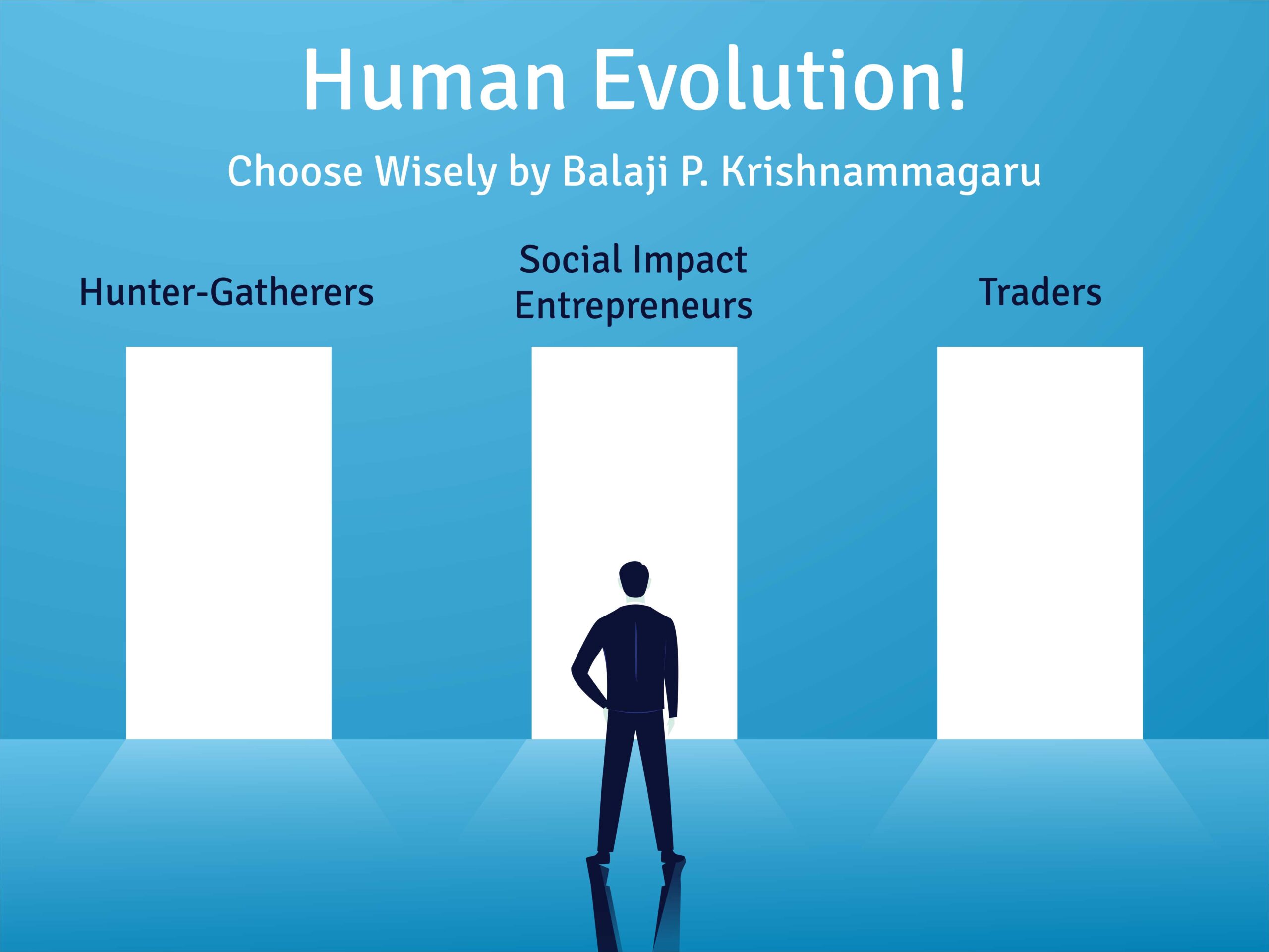
Hunter-gatherers vs. Traders vs. Social Impact Entrepreneurs: Human Evolution.

Once upon a time, three tribes stumbled upon a goose that laid golden eggs. Let’s see what each one does.

The hunter-gatherers were either ignorant or tempted by quick meal or riches. They killed the goose, hoping to feast on its golden eggs and goose. They lived and continued their way of life 😢

The traders however, had a smarter plan. They knew they can wait and get golden eggs and sell them. Instead of killing the goose, they waited for it to lay more eggs. Then, they sold all those golden treasures in the market and became wealthy.

Traditionally this is where the textbook story ends.

Hey, wait, there is more. The social impact entrepreneur’s tribe took a whole new approach. They cared for the goose, ensuring its health, and cared for it. They sold some eggs, but always left enough for hatching more goslings. 🐔

This tribe is educated and are dharmic. Rooted in their education with Dharma, Artha, Kama and Moksha. So, it is not just personal wealth, but a thriving and sustainable environment. With the proceeds, they built a good farm, let the eggs hatch and got few more goslings. With a little more patience, they build an optimal lifecycle and got more in return. They had their time, had fun with their family and friends. They even mastered the art of having more goslings and passed the wisdom to their children and community and even helped other tribes in need. Their business benefited everyone around them. 💚 They earned good Karma!

Are you a hunter-gatherer looking for quick gains? Or a trader to buy and sell? Or, just maybe, a social impact entrepreneur, creating a business that makes a difference? 🌍

What is your approach when it comes to opportunities?

Women’s role in agriculture and food security in India

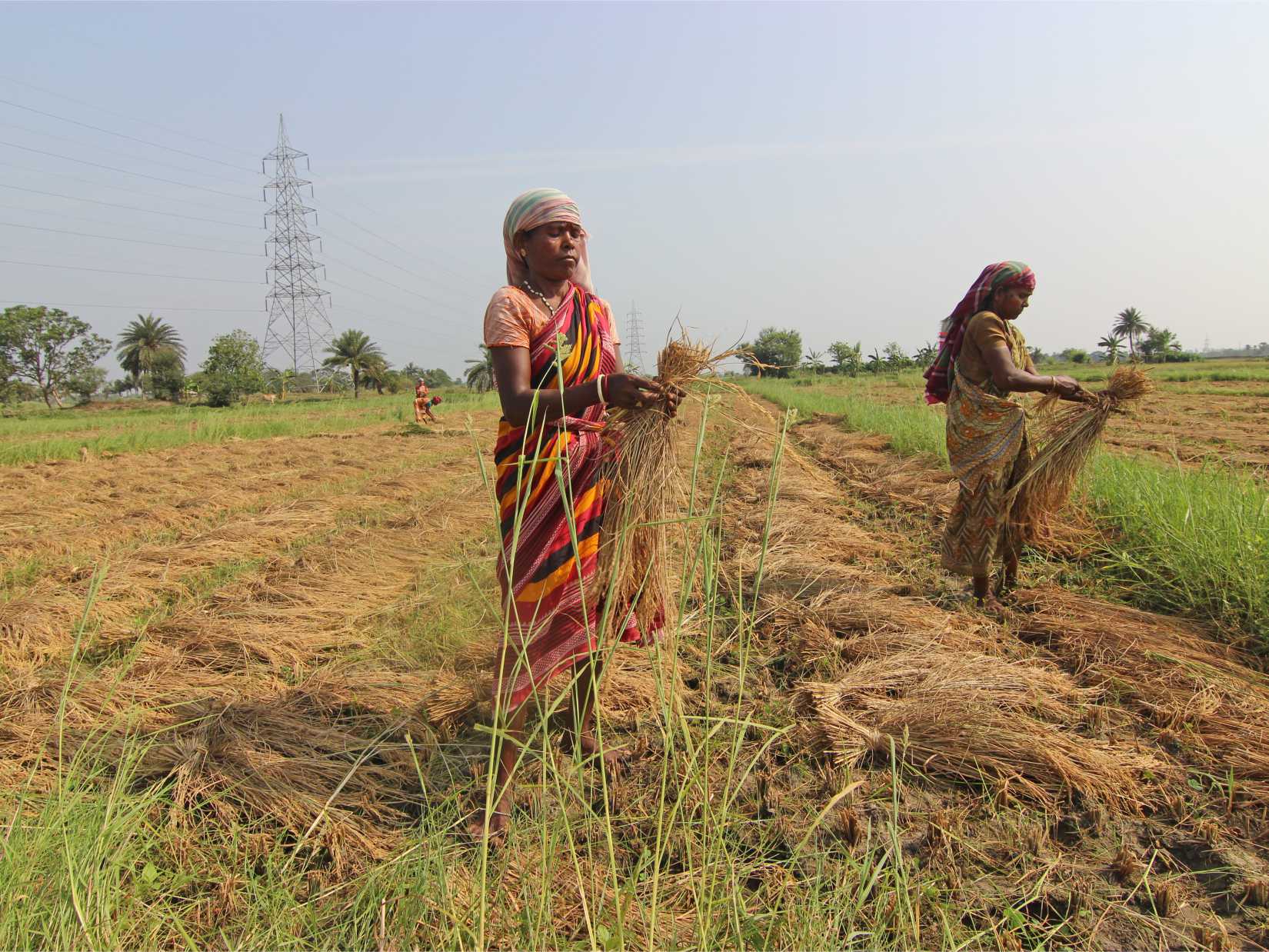
Women play a crucial role in agriculture and food security in India. According to the Food and Agriculture Organization (FAO), women make up around 49% of the agricultural labor force in India. Despite their significant contribution, women face numerous challenges that hinder their ability to access resources, gain knowledge and skills, and fully participate in agricultural activities.

One of the primary challenges women face is limited access to land. In India, women own less than 13% of the country’s agricultural land. Landownership is essential for access to credit, government schemes, and other benefits that can help improve productivity and income. Women’s lack of land ownership also limits their decision-making power in agricultural activities, which can result in their exclusion from important discussions and decisions.

Another challenge faced by women is limited access to credit and financial resources. Traditional gender roles often confine women to household activities, and they may not have formal employment, income, or assets to use as collateral for loans. As a result, women often rely on informal loans from moneylenders who charge high interest rates, placing them in a cycle of debt.

Lack of access to education and training is also a challenge for women in agriculture. Women often have limited opportunities to acquire skills and knowledge necessary for modern farming practices, such as soil health management, irrigation techniques, and the use of technology. This limits their ability to innovate and adopt new practices that could improve productivity and income.

Despite these challenges, women in agriculture have shown resilience and ingenuity in finding solutions. For example, women in some parts of India have formed self-help groups to pool resources and access credit. These groups also provide a platform for women to share knowledge, learn from each other, and engage in collective decision-making.

The Indian government has also introduced various initiatives to support women in agriculture. The National Rural Livelihoods Mission (NRLM), for instance, aims to enhance the livelihoods of rural women by providing them with training, skills development, and access to financial services. The NRLM has been successful in empowering women and improving their income and standard of living.

In conclusion, women play a vital role in agriculture and food security in India. However, they face numerous challenges that hinder their ability to access resources, gain knowledge and skills, and participate fully in agricultural activities. Addressing these challenges requires a concerted effort from government, civil society, and other stakeholders to promote gender equality, empower women, and support their meaningful participation in agriculture.

Sustainable farming practices in India:

Opportunities and challenges

Sustainable farming practices in India have become increasingly important in recent years due to the rising awareness of environmental degradation and the need for food security. Sustainable agriculture is defined as the practice of producing food, fiber, and other plant and animal products in a way that is environmentally friendly, socially responsible, and economically viable. India is a country with a rich agricultural heritage, but the shift towards sustainable farming practices has been challenging due to several opportunities and challenges.

Opportunities:

Increasing demand for organic and sustainable products: There is an increasing demand for organic and sustainable products in India due to rising health concerns and environmental consciousness among consumers. This provides an opportunity for farmers to switch to sustainable farming practices and access a growing market.

Government initiatives: The Indian government has introduced various initiatives to promote sustainable farming practices. These include the National Mission for Sustainable Agriculture (NMSA) and the Paramparagat Krishi Vikas Yojana (PKVY) that promote organic farming, conservation of soil health, and water management practices.

Technological advancements: The advent of technology has made sustainable farming practices more accessible to farmers. For instance, precision farming and agroforestry practices have helped farmers to reduce waste and increase productivity while conserving natural resources.

Challenges:

Lack of awareness and education: Many farmers in India are not aware of sustainable farming practices, which makes it difficult for them to adopt these practices. Education and awareness campaigns are needed to educate farmers about the benefits of sustainable farming practices.

Limited access to credit and resources: Sustainable farming practices require significant investment in resources such as compost, seeds, and equipment. Many small-scale farmers in India lack access to credit, which makes it difficult for them to invest in sustainable farming practices.

Inadequate infrastructure: Inadequate infrastructure for storage, transportation, and marketing of sustainable products is a significant challenge. This leads to losses for farmers and limits their access to markets.

Climate change: Climate change is a significant challenge for sustainable farming practices in India. Erratic weather patterns and water scarcity can make it difficult for farmers to grow crops using sustainable methods.

In conclusion, sustainable farming practices in India present numerous opportunities and challenges. Addressing the challenges requires a multi-stakeholder approach that includes the government, farmers, and civil society organizations. The adoption of sustainable farming practices is critical for India’s food security and sustainable development goals. Therefore, it is essential to promote awareness, provide access to credit and resources, invest in infrastructure, and promote research and development in sustainable farming practices.

Malnutrition in India: Causes, consequences, and solutions

Malnutrition is a serious problem in India, affecting millions of people across the country. Malnutrition can lead to a range of health problems, including stunted growth, weakened immune systems, and cognitive impairment. In this article, we will explore the causes, consequences, and potential solutions to malnutrition in India.

Causes of Malnutrition:

Poverty: Poverty is one of the main causes of malnutrition in India. People living in poverty often cannot afford a healthy diet, which leads to malnutrition.

Lack of education: Lack of education, especially among women, is another significant cause of malnutrition. Women who are not educated are less likely to have the knowledge and resources needed to ensure that their families are eating a balanced and nutritious diet.

Poor sanitation and hygiene: Poor sanitation and hygiene practices can lead to the spread of infectious diseases, which can cause malnutrition.

Food insecurity: Food insecurity, or the lack of consistent access to sufficient and nutritious food, is a major cause of malnutrition in India.

Consequences of Malnutrition:

Stunted growth: Malnutrition can lead to stunted growth in children, which can have long-term consequences for their health and development.

Weakened immune system: Malnutrition weakens the immune system, making individuals more vulnerable to infectious diseases.

Cognitive impairment: Malnutrition can also lead to cognitive impairment, which can affect a child’s ability to learn and develop.

Increased mortality rates: Malnutrition is a leading cause of mortality in India, particularly among children.

Solutions to Malnutrition:

Education: Education is an essential tool in the fight against malnutrition. Education programs can help individuals understand the importance of a healthy and balanced diet and provide them with the knowledge and resources needed to ensure that their families are eating nutritious food.

Improving access to healthcare: Improving access to healthcare, including basic nutrition and healthcare services, can help prevent malnutrition and treat those who are already suffering from malnutrition.

Addressing poverty: Addressing poverty is essential to reducing malnutrition. Providing financial assistance and creating job opportunities can help individuals afford a healthy diet.

Food security programs: The Indian government has introduced several food security programs, such as the Public Distribution System (PDS), to provide subsidized food to those in need. Expanding these programs and ensuring that they are effective can help reduce malnutrition.

In conclusion, malnutrition is a serious problem in India, affecting millions of people across the country. Addressing the root causes of malnutrition, such as poverty, lack of education, poor sanitation, and food insecurity, is essential to reducing malnutrition rates in India. By implementing education programs, improving access to healthcare, addressing poverty, and expanding food security programs, India can work towards a future where malnutrition is no longer a major health issue.

JanSankalp Foundation’s Water Conservation Initiative

Yarraguntapalli Village, Anantapuram District

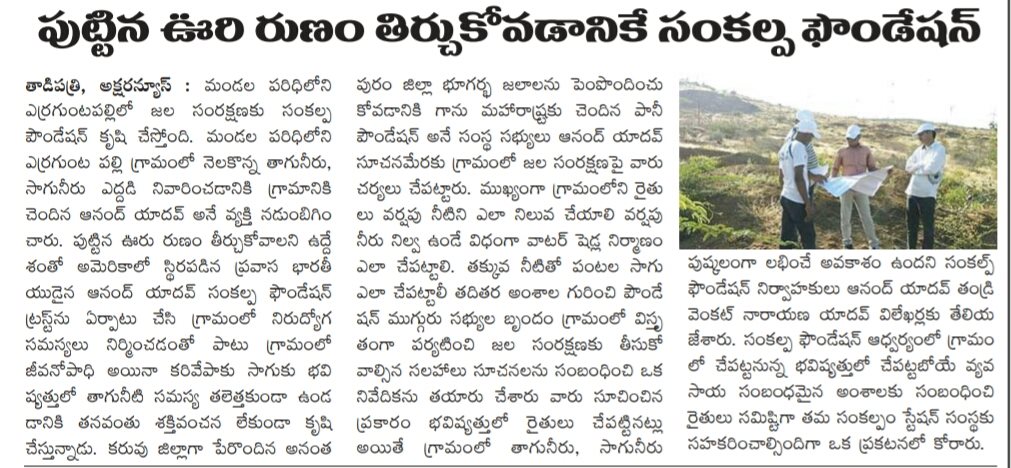
JanSankalp Foundation, through its dedicated efforts, is actively involved in water conservation in Yarraguntapalli village, located in Anantapuram district. An individual named Anand Yadav, a resident of the United States and a member of the JanSankalp Foundation Trust, initiated this project with the aim of addressing water-related challenges in the region and relieving the burden of water scarcity for the farming community. The Foundation members, including Anand Yadav, who hails from Maharashtra, renowned for its groundwater management, conducted various activities related to water conservation in the village. They visited the village extensively, interacted with local farmers, provided guidance on efficient water utilization, constructed water sheds to facilitate rainwater harvesting, and offered advice on irrigation methods using limited water resources. The suggestions and recommendations formulated by the Foundation’s team were compiled into a proposal, which serves as a valuable resource for future water conservation initiatives. Thanks to the collective efforts of the Foundation members, the farmers in the village now have access to adequate water for irrigation and agricultural needs, ensuring a brighter future for their crops. JanSankalp Foundation continues to support and encourage collaboration among farmers to promote sustainable agricultural practices and achieve the goal of water conservation in rural areas.

అనంతపురం జిల్లా ఎర్రగుంట పల్లి గ్రామంలో జల సంరక్షణకు సంకల్ప ఫౌండేషన్ కృషి చేస్తోంది. గ్రామంలో లో నెలకొన్న తాగునీరు, సాగునీరు ఎద్దడి నివారించడానికి గ్రామానికి చెందిన ఆనంద్ యాదవ్ అనే వ్యక్తి నడుం బిగించారు. పుట్టిన ఊరు రుణం తీర్చుకోవాలనే ఉద్దేశంతో అమెరికాలో స్థిరపడిన ప్రవాస భారతీయుడైన ఆనంద్ యాదవ్ సంకల్ప్ ఫౌండేషన్ ట్రస్ట్ ను ఏర్పాటు చేసి గ్రామంలో ఉద్యోగ కల్పన చేయడంతోపాటు జీవనోపాధి అయిన కరివేపాకు సాగుకు భవిష్యత్తులో తాగునీటి సమస్య తలెత్తకుండా ఉండడానికి తన వంతు శక్తివంచన లేకుండా కృషి చేస్తున్నాడు. కరువు జిల్లాగా పేరొందిన అనంతపురం జిల్లాలో భూగర్భ జలాలను పెంపొందించుకోవడానికి గాను మహారాష్ట్రకు చెందిన ఫౌండేషన్ అనే సంస్థ సభ్యులు ఆనంద్ యాదవ్ సూచనమేరకు గ్రామంలో జల సంరక్షణ పై చర్యలు చేపట్టారు. ముఖ్యంగా గ్రామంలోని రైతులు వర్షపు నీటిని ఎలా నిల్వ చేయాలి, వర్షపు నీరు నిల్వ ఉండే విధంగా వాటర్ షెడ్ల నిర్మాణం ఎలా చేపట్టాలి, తక్కువ నీటితో పంటల సాగు ఎలా చేపట్టాలి అనే తదితర అంశాల గురించి పౌండేషన్ ముగ్గురు సభ్యుల బృందం గ్రామంలో విస్తృతంగా పర్యటించి జల సంరక్షణ కొరకు తీసుకోవాల్సిన సలహాలు సూచనలను సంబంధించి ఒక నివేదికను తయారు చేశారు. వారు సూచించిన ప్రకారం భవిష్యత్తులో రైతులు చేపట్టినట్లయితే గ్రామంలో తాగునీరు మరియు సాగునీరు పుష్కలంగా లభించే అవకాశం ఉందని సంకల్ప్ ఫౌండేషన్ నిర్వాహకులు ఆనంద్ యాదవ్ తెలియజేశారు. సంకల్ప్ ఫౌండేషన్ గ్రామంలో చేపట్టనున్న వ్యవసాయ సంబంధమైన అంశాలకు కు, రైతులు సహకరించాల్సిందిగా ఒక ప్రకటనలో కోరారు.