Education Archives - Jansankalp Foundation

The Golden Goose : MedOnGo’s way. By Balaji Krishnammagaru

by Balaji P Krishnammagaru

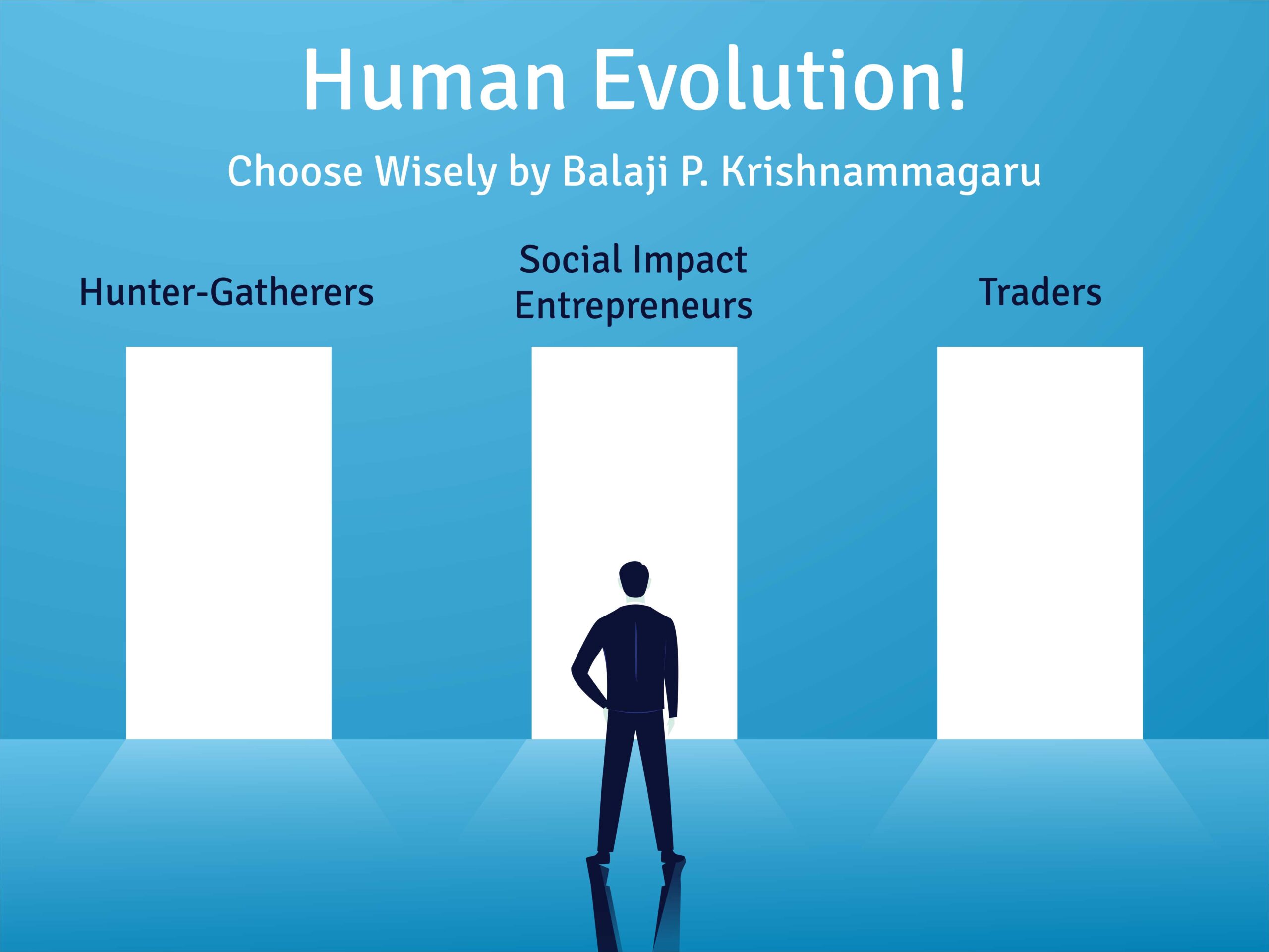
Hunter-gatherers vs. Traders vs. Social Impact Entrepreneurs: Human Evolution.

Once upon a time, three tribes stumbled upon a goose that laid golden eggs. Let’s see what each one does.

The hunter-gatherers were either ignorant or tempted by quick meal or riches. They killed the goose, hoping to feast on its golden eggs and goose. They lived and continued their way of life 😢

The traders however, had a smarter plan. They knew they can wait and get golden eggs and sell them. Instead of killing the goose, they waited for it to lay more eggs. Then, they sold all those golden treasures in the market and became wealthy.

Traditionally this is where the textbook story ends.

Hey, wait, there is more. The social impact entrepreneur’s tribe took a whole new approach. They cared for the goose, ensuring its health, and cared for it. They sold some eggs, but always left enough for hatching more goslings. 🐔

This tribe is educated and are dharmic. Rooted in their education with Dharma, Artha, Kama and Moksha. So, it is not just personal wealth, but a thriving and sustainable environment. With the proceeds, they built a good farm, let the eggs hatch and got few more goslings. With a little more patience, they build an optimal lifecycle and got more in return. They had their time, had fun with their family and friends. They even mastered the art of having more goslings and passed the wisdom to their children and community and even helped other tribes in need. Their business benefited everyone around them. 💚 They earned good Karma!

Are you a hunter-gatherer looking for quick gains? Or a trader to buy and sell? Or, just maybe, a social impact entrepreneur, creating a business that makes a difference? 🌍

What is your approach when it comes to opportunities?

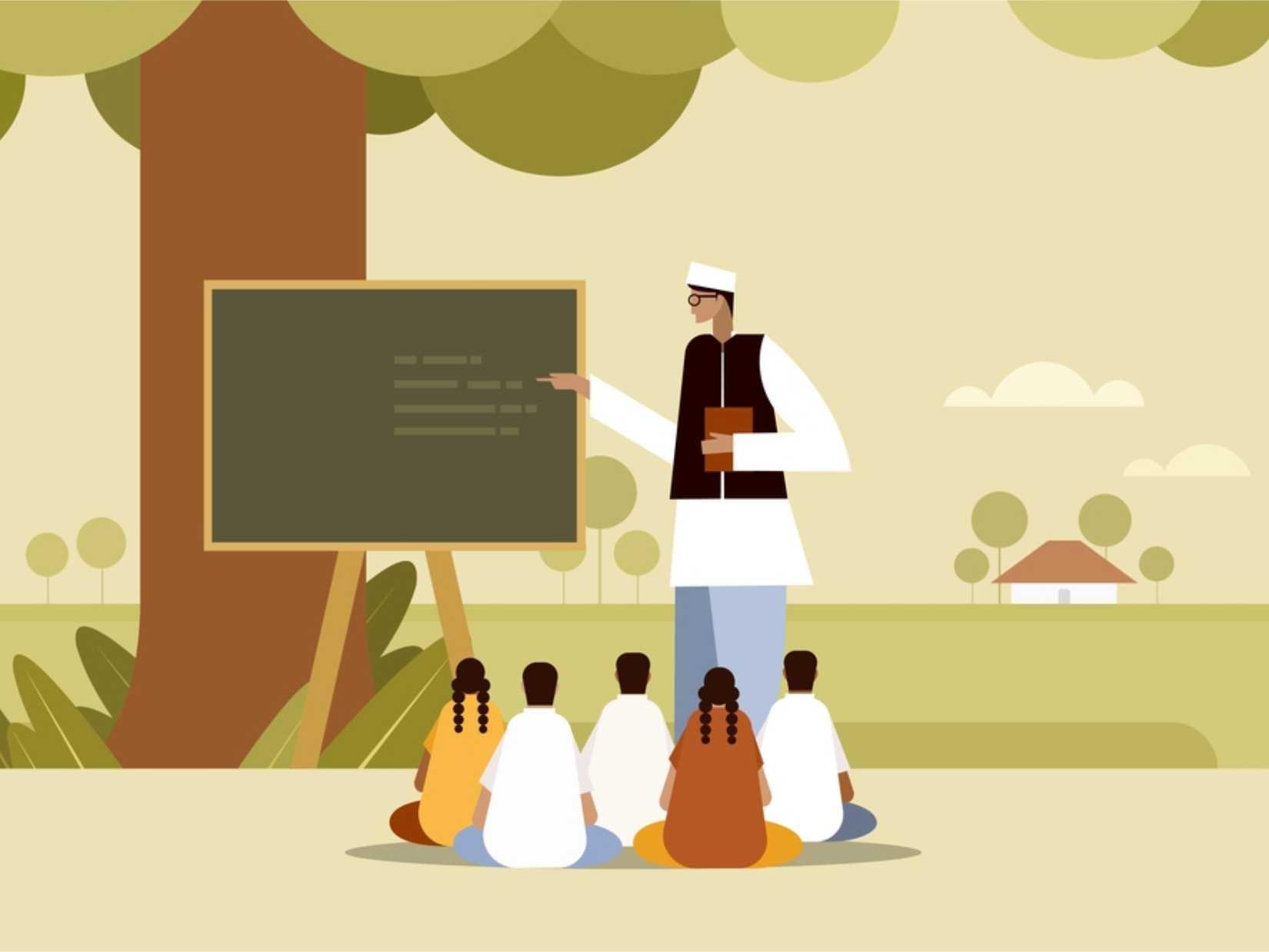
Gurukul Culture of Education in India: A Journey through Time

India has a rich history of education, with the Gurukul system being one of the oldest and most revered. In the Gurukul system, students lived with their teacher (Guru) in an ashram, where they received a holistic education that included not only academic subjects but also physical, emotional, and spiritual development.

The Gurukul system flourished in ancient India, with renowned scholars such as Charaka, Panini, and Aryabhata emerging from these institutions. The system continued to thrive even during the medieval period, with notable Gurukuls such as Nalanda and Taxila attracting students from across the world.

However, with the advent of colonialism and the introduction of the British education system, the Gurukul system began to decline. The emphasis on rote learning and the neglect of practical skills in the British system created a gap between education and employment, which led to a decline in the popularity of Gurukuls.

In recent years, there has been a renewed interest in the Gurukul system, with many educational institutions attempting to revive this ancient tradition. The emphasis on personalized attention, experiential learning, and the integration of spiritual and moral values in education has led many to believe that the Gurukul system can provide solutions to the problems plaguing the modern education system in India.

However, reviving the Gurukul system in its true form is not without its challenges. The lack of infrastructure, trained teachers, and funding pose significant obstacles to the widespread adoption of this system. Moreover, adapting the Gurukul system to the needs of the modern world while preserving its essence is a delicate balance that needs to be struck.

In conclusion, the Gurukul system of education in India is an ancient and revered tradition that has much to offer to the modern world. While it may not be a panacea for all the problems in the current education system, incorporating its unique features can certainly enrich and enhance the learning experience for students. It is a journey through time that requires patience, perseverance, and a deep commitment to the ideals of education.

The Future of Education in 2023: Challenges and Opportunities

Education has been transformed over the past few years, with the pandemic forcing a shift towards remote learning and the use of technology in the classroom. As we move towards 2023, it is worth considering what the future of education will look like and the challenges and opportunities that lie ahead.

One of the biggest challenges facing education in 2023 is the digital divide. While many students have access to technology and high-speed internet, there are still millions who do not. Ensuring that all students have access to the technology they need to learn and grow will be critical in the coming years.

Another challenge is the need to rethink the curriculum. The pandemic has highlighted the importance of practical skills and the need for students to be prepared for the workforce. As such, there is a growing emphasis on vocational and skills-based education, alongside traditional academic subjects.

In addition, there is an increasing awareness of the importance of social-emotional learning. With mental health becoming a pressing issue, there is a need for schools to provide support and guidance to students in this area. This means investing in counseling services, promoting positive relationships, and teaching mindfulness and resilience.

At the same time, there are several opportunities that lie ahead in education. The use of technology has the potential to democratize education and provide access to learners who may not have had it otherwise. The use of artificial intelligence and machine learning can also provide personalized learning experiences that cater to the needs of individual students.

Moreover, there is a growing recognition of the need for lifelong learning. As the job market changes rapidly, individuals need to be prepared to adapt and learn new skills throughout their lives. This means that education needs to be seen as a lifelong journey rather than a finite period of study.

In conclusion, the future of education in 2023 is both exciting and challenging. While there are obstacles to overcome, there are also many opportunities to be seized. By investing in technology, promoting practical skills, and prioritizing social-emotional learning, education can be transformed to meet the needs of learners in the coming years.