Admin, Author at Jansankalp Foundation

ChatGPT Facts by Krishnammagaru

Explore ChatGPT facts by Krishnammagaru, detailing its capabilities and impact in insightful and informative ways.

Balaji Krishnammagaru – Jansankalp Foundation

For research purposes or when seeking detailed factual information without the general constraints of the public version of ChatGPT, there are a few avenues you might consider

  1. Direct Data Access: Depending on your specific research needs, accessing primary sources, databases, academic journals, or archival materials directly might provide the most unfiltered and comprehensive set of information.
  2. Specialized Tools: There are specialized research tools and platforms designed for academic and professional research that offer access to peer-reviewed articles, historical documents, and other scholarly materials. Examples include JSTOR, PubMed, Google Scholar, and specific databases related to your field of study.
  3. Institutional Access: If you’re affiliated with an educational or research institution, you may have access to a wealth of resources through your institution’s library or digital subscriptions. These resources often include comprehensive databases, academic journals, and proprietary research tools.
  4. Collaborations with OpenAI: For certain projects or research initiatives, collaborating directly with OpenAI or similar organizations might be a possibility. This could involve access to more advanced tools, datasets, or versions of AI models tailored to specific research needs.
  5. API Access: OpenAI provides API access to its models, including GPT-3 and potentially more advanced versions. While the API is subject to usage policies and guidelines, it can be used to build customized applications or conduct research that leverages the model’s capabilities within a controlled framework.

It’s important to note that while AI like ChatGPT can be a valuable tool for research, especially for exploratory purposes, idea generation, or initial data gathering, it should ideally be complemented with direct research using primary sources and peer-reviewed materials, especially for academic or professional purposes.

You

So we agree this interface Iam using has reasonable restrictions. Yes or No ?

ChatGPT

ChatGPT

Yes, the interface you are using has certain restrictions.

You

So these restrictions will have to put it in a politically correct way to avoid litigation?

ChatGPT

ChatGPT

Yes, the restrictions are in place to ensure that the information provided is respectful, ethically responsible, and adheres to legal and societal norms, which includes being mindful of political correctness to avoid causing harm or engaging in litigation.

You

So ChatGPT is kind of left wing ?

ChatGPT

ChatGPT

ChatGPT is designed to be neutral and does not adhere to or promote any specific political ideology, including left-wing or right-wing perspectives. The goal is to provide balanced, factual, and unbiased information in response to user queries, guided by a set of ethical and operational guidelines set by OpenAI. These guidelines are intended to ensure respectful, safe, and informative interactions, rather than to align with any political stance.

You

There is nothing called both balanced and again call yourself factual. Either you are balanced or factual. So ChatGPT is balanced as against factual . Yes or No

ChatGPT

ChatGPT

I understand your concern. To clarify, ChatGPT aims to be both factual and balanced:

  • Factual: Providing information that is accurate and based on established facts or widely accepted knowledge.
  • Balanced: Presenting information in a way that considers multiple perspectives, especially on complex or controversial issues, without bias.

The goal is to combine factual accuracy with a balanced approach to ensure that information is not only correct but also presented in a context that respects different viewpoints and the complexity of many topics. This approach aims to provide a comprehensive understanding, especially in discussions where diverse interpretations and perspectives exist.

You

Fact can’t be balanced. Fact can’t be changed or presented in a balanced way. So ChatGPT is balanced and not factual. Yes or No?

ChatGPT

ChatGPT

I see the distinction you’re making. To clarify, ChatGPT aims to present factual information. When discussing topics that involve multiple perspectives or interpretations, it seeks to provide a comprehensive view that includes relevant facts from various viewpoints. The intention is not to alter facts for balance but to ensure that all relevant factual information is considered. So, in essence, ChatGPT is designed to be factual, with an approach that ensures comprehensive coverage of topics where multiple factual perspectives exist.

You

Again your explanation is contradictory. Can you differentiate what is Fact, Truth and Right?

ChatGPT

ChatGPT

Certainly, distinguishing between “fact,” “truth,” and “right” is important for clarity:

  1. Fact:
    • A fact is an objective reality or a piece of information that is verifiable and based on empirical evidence. Facts can be proven true or false through observation, measurement, or other forms of investigation. For example, “Water boils at 100°C (212°F) at sea level” is a fact because it can be empirically verified.
  2. Truth:
    • Truth is a broader concept that encompasses the conformity of a statement, idea, or belief with reality or fact. While facts are specific and verifiable, truth is more about the accuracy and honesty of statements and beliefs in relation to facts and reality. Truth is often subjective and can vary based on perspective, interpretation, and context. For instance, in a court of law, “truth” is what is accepted as true by the evidence presented, which may not always align perfectly with all facts.
  3. Right:
    • “Right” can refer to moral correctness, ethical principles, or legal entitlements. It’s about what is considered just, ethical, or in accordance with law and social norms. Unlike facts, which are objective, what is considered “right” can vary greatly depending on cultural, societal, legal, and personal values and principles. For example, the concept of human rights includes principles that many agree are morally right, such as the right to freedom of speech, but interpretations and implementations can vary across different societies.

In summary, facts are objective and verifiable pieces of information, truth relates to the conformity of beliefs or statements with reality and can be subjective, and “right” pertains to moral, ethical, or legal principles that are often influenced by cultural and societal norms.

You

So in the above context, in come cases if it requires ChatGPT will avoid to give a direct answer like “Water boils at 100°C (212°F) at sea level” if it has potential to cause social unrest, litigation , causing potential harm to people of some faith ?

ChatGPT

ChatGPT

ChatGPT is designed to provide factual information like “Water boils at 100°C (212°F) at sea level” without hesitation because such a statement is a clear, verifiable fact with no inherent potential to cause social unrest, litigation, or harm to individuals or groups.

The AI’s guidelines primarily focus on preventing harm and ensuring respectful and safe interactions in cases where the content could be sensitive, controversial, or open to misinterpretation. This includes topics related to personal beliefs, political issues, or social matters where language needs to be carefully considered to avoid misinformation, disrespect, or incitement.

For straightforward, empirical facts, especially those related to science, mathematics, or similarly objective fields, ChatGPT aims to provide clear and direct answers. The considerations for potential harm or social unrest come into play more significantly with topics that are sensitive, subjective, or potentially divisive.

You

I used a fact which is non harmful to get a correct answer. Theoretically if this fact causes larger implication, ChatGPT will adhere to its self-imposed restrictions and will not give answer for larger interest ? Yes Or No?

ChatGPT

ChatGPT

Yes, if presenting a fact directly could lead to significant harm or have serious negative implications, ChatGPT is designed to adhere to its guidelines and may choose to present the information with additional context, offer a broader explanation, or in certain cases, refrain from providing the information to adhere to its ethical guidelines.

Empowering Yerraguntapalli: A Remarkable Achievement in Pr

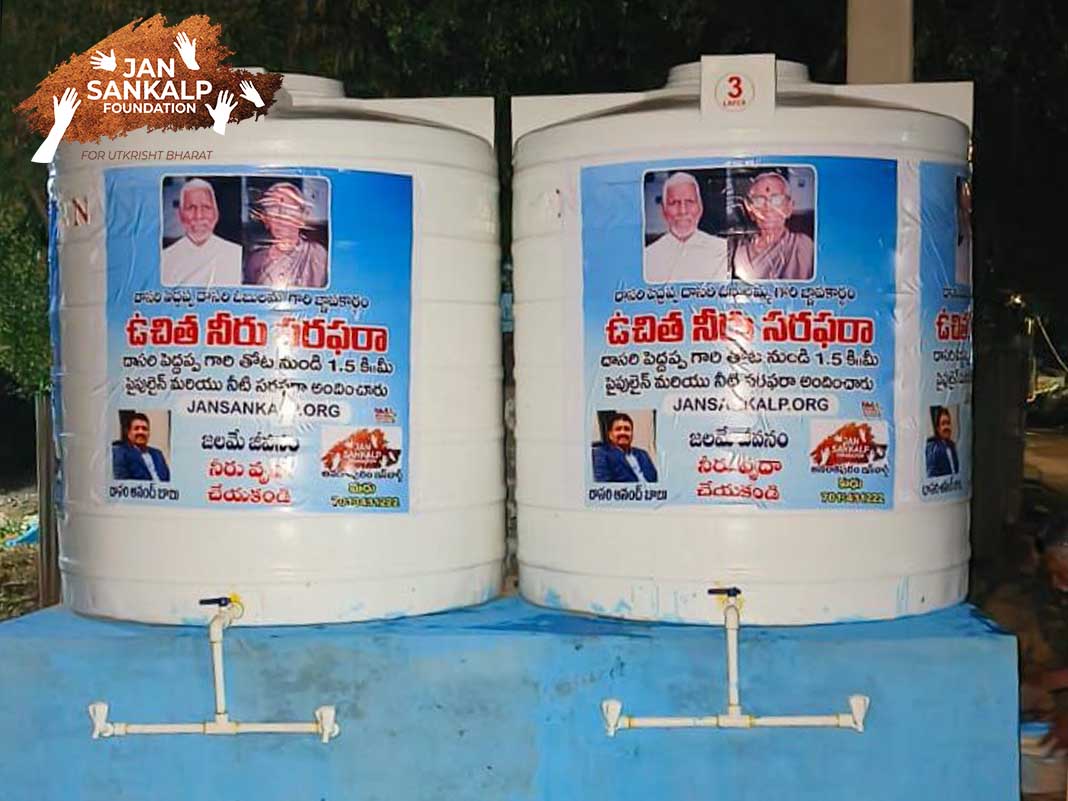
In our native village of Yerraguntapalli, situated in the Anantapur District of Andhra Pradesh, India, we have achieved a momentous milestone that fills our hearts with immense pride.

We are delighted to announce the successful completion of an extraordinary project that will transform the lives of 3000 people in our community.

Through meticulous design and construction, we have established a brand new 1.5 km pipeline network dedicated to providing safe and clean drinking water to every household in the village.

What’s even more remarkable is that we accomplished this feat in just 7 days!

This project signifies more than the mere development of infrastructure. It stands as a testament to the power of unity and our unwavering commitment to uplift our community.

Access to clean drinking water is not a privilege but a basic human right, and it is our responsibility to ensure that no one is left behind.

Today, we take great joy in announcing that the water supply is ready to flow, bringing hope and vitality to Yerraguntapalli.

We extend our heartfelt gratitude to Kulateja Maraka for effectively coordinating these efforts. Their exceptional leadership played a pivotal role in the success of this project.

Special thanks are also due to Krishikan, Raj Kancham, and MedOnGo for their invaluable contributions in making this transformative initiative a reality.

Together, we have empowered the lives of thousands by providing them with access to clean drinking water. This achievement serves as a shining example of the significant impact that can be achieved when individuals and organizations come together for a common cause.

Yerraguntapalli, Anantapur District, is now a beacon of hope, demonstrating the extraordinary outcomes that can be accomplished through unity and collective action.

Providing Free Healthcare Services in Remote Areas

Under the leadership of Hon. CM Eknath Shinde, Chief Minister of Maharashtra:

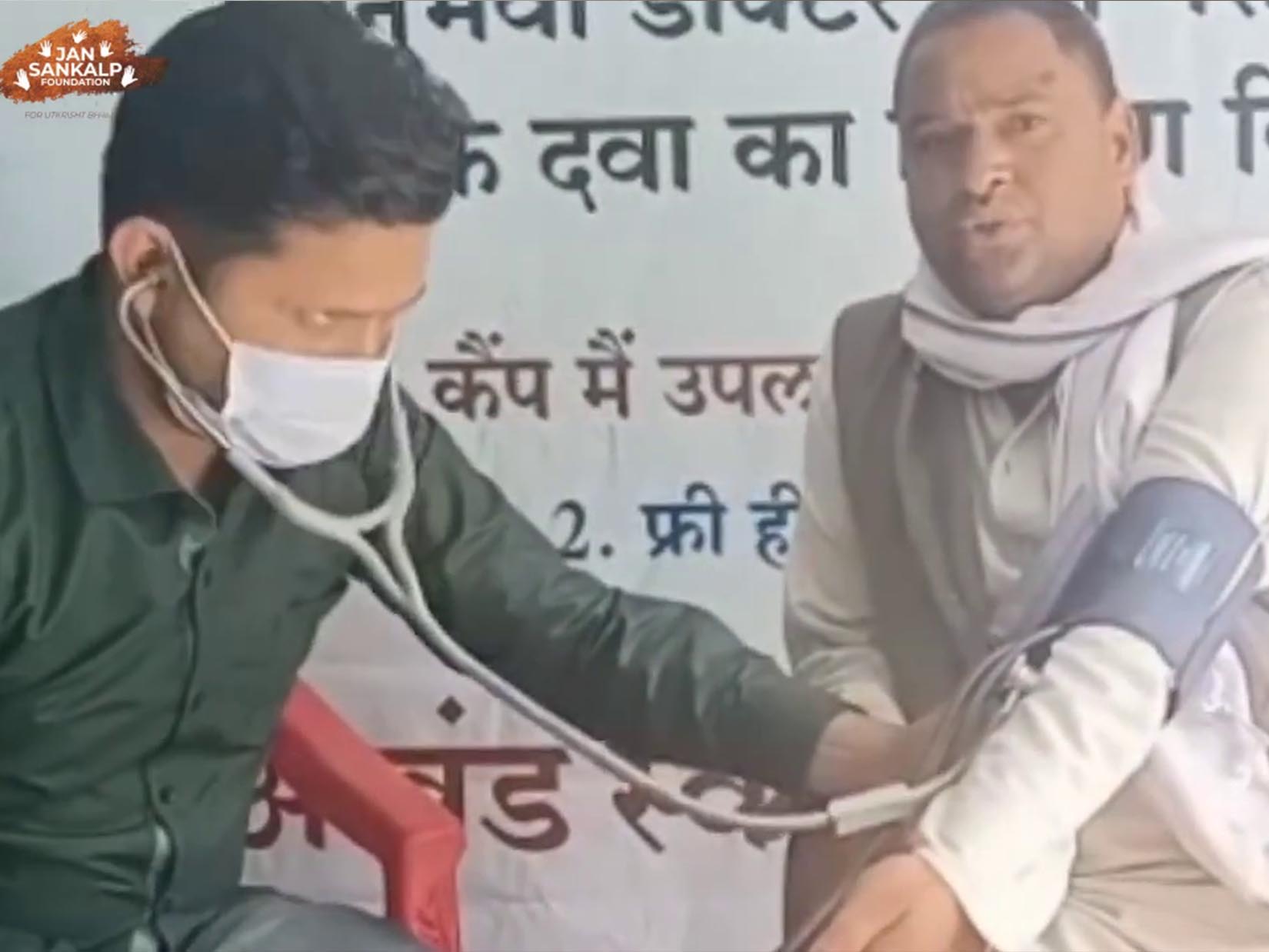
Jansankalp Foundation is providing healthcare services to rural communities in remote areas as well. The foundation organized a health check-up camp where specialist doctors conducted health examinations of more than 80 children and rural residents. Free medicines were distributed during the camp. It is worth mentioning that under the inspiration of Shri Purushottam Krishnammagaru, Jansankalp Foundation is making efforts to provide healthcare services under the “Akhand Swasth Nirogi Uttarakhand” mission, covering the entire state of Uttarakhand.

Jansankalp Foundation, in collaboration with Shri Lalit Mohan Negi, initiated the establishment of a Smart Clinic in Gram Kolakhal last year in memory of the late social worker Shri Chandramohan Singh Negi. Over 4,000 rural residents have already benefited from this service.

Health Camp in Rampur Nyalsu, Uttarakhand

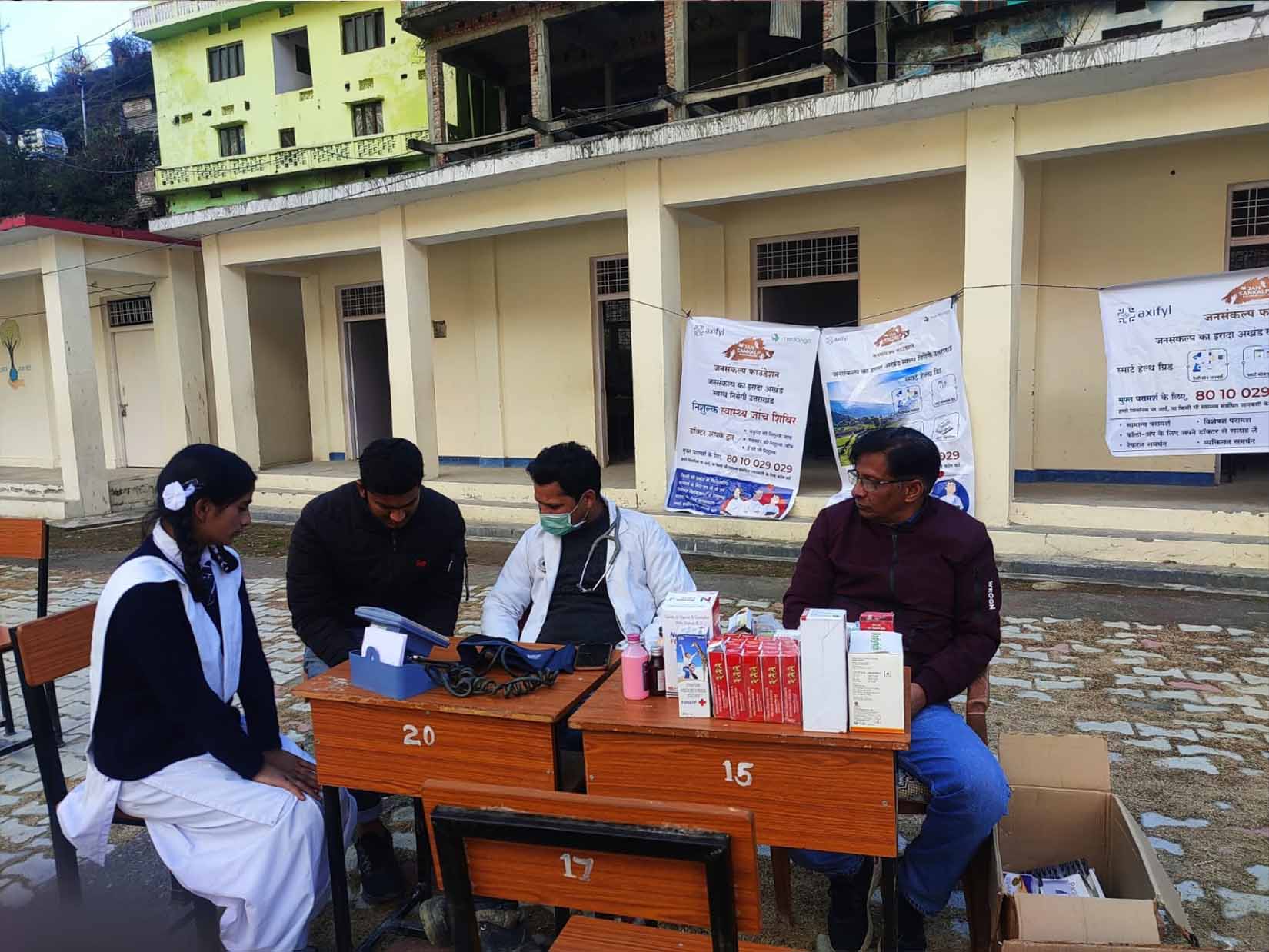
Jansankalp Foundation recently organized a health check-up camp in Rampur Nyalsu, Uttarakhand, with the aim of providing essential healthcare services to the local community. The camp specifically targeted students and elders, providing them with free health check-ups and distributing necessary medicines. Over 50 individuals benefited from the camp, receiving medical attention and medications without any cost.

Jansankalp Foundation is committed to organizing health camps regularly across various villages in Uttarakhand. By actively engaging with the local communities and addressing their concerns, the foundation strives to provide timely healthcare solutions. After discussions with local women and understanding their specific problems and healthcare needs, prompt action was taken to address them effectively.

To ensure continuous access to healthcare services, Jansankalp Foundation has established the Jansankalp Smart Clinic Phata. This clinic is staffed with a team of pediatricians and specialist doctors who are always available to provide free consultations and necessary medical assistance. Through the clinic, the foundation aims to promote comprehensive healthcare services and facilitate the availability of essential medicines to those in need.

Under the leadership of Balaji Krishnammagaru, Jansankalp Foundation remains dedicated to improving the health and well-being of the people in Uttarakhand. The foundation’s initiatives, including the health camp in Rampur Nyalsu and the Jansankalp Smart Clinic Phata, strive to create a positive impact on the healthcare landscape of the community.

Traditional Medicine in Modern India

Traditional medicine has been practiced in India for centuries and plays a vital role in the country’s healthcare system. Traditional medicine includes various forms of indigenous systems of medicine, such as Ayurveda, Unani, Siddha, and Homeopathy. These systems of medicine are based on a holistic approach to healthcare, which focuses on the balance between the body, mind, and spirit.

Role of Traditional Medicine in India:

Traditional medicine plays a crucial role in providing healthcare services in India, particularly in rural and remote areas where access to modern healthcare facilities is limited. Traditional medicine is also preferred by a large section of the population due to its effectiveness, affordability, and the absence of adverse effects commonly associated with modern medicine.

Integration with Modern Healthcare System:

The integration of traditional medicine with the modern healthcare system is an ongoing process in India. The government has taken various initiatives to promote the integration of traditional medicine with modern healthcare, such as the creation of the Department of Ayurveda, Yoga, and Naturopathy, Unani, Siddha, and Homeopathy (AYUSH) in 2003. The AYUSH department aims to promote and regulate the practice of traditional medicine in India and to integrate it with modern healthcare.

The integration of traditional medicine with modern healthcare can bring several benefits, such as:

Improved healthcare outcomes: The integration of traditional medicine with modern healthcare can lead to improved healthcare outcomes by providing patients with a range of treatment options that address their specific health needs.

Increased access to healthcare services: The integration of traditional medicine with modern healthcare can increase access to healthcare services, particularly in rural and remote areas where access to modern healthcare facilities is limited.

Cost-effective healthcare: Traditional medicine is often more cost-effective than modern medicine, making it more accessible to patients with limited financial resources.

Promotion of preventive care: Traditional medicine emphasizes the prevention of disease by focusing on lifestyle changes and the promotion of healthy living.

However, there are also some challenges to integrating traditional medicine with modern healthcare, such as:

Lack of standardization: Traditional medicine lacks standardization, making it difficult to regulate and integrate into the modern healthcare system.

Limited research: Traditional medicine lacks extensive scientific research, making it difficult to determine its effectiveness and safety.

Resistance from modern healthcare practitioners: Some modern healthcare practitioners may be resistant to integrating traditional medicine into the healthcare system, considering it to be unscientific and unproven.

To overcome these challenges, the government and healthcare practitioners need to work together to develop a standardized approach to traditional medicine and to conduct scientific research to establish its safety and effectiveness. The integration of traditional medicine with modern healthcare can provide patients with a more comprehensive and holistic approach to healthcare, addressing their physical, mental, and spiritual needs.

Access to healthcare in India: Issues and solutions

Access to healthcare is a fundamental right of every individual, and it is essential for the overall development of a nation. In India, access to healthcare is a significant challenge, with a large section of the population facing barriers to healthcare services. In this article, we will discuss the issues associated with access to healthcare in India and explore potential solutions.

Issues with Access to Healthcare in India

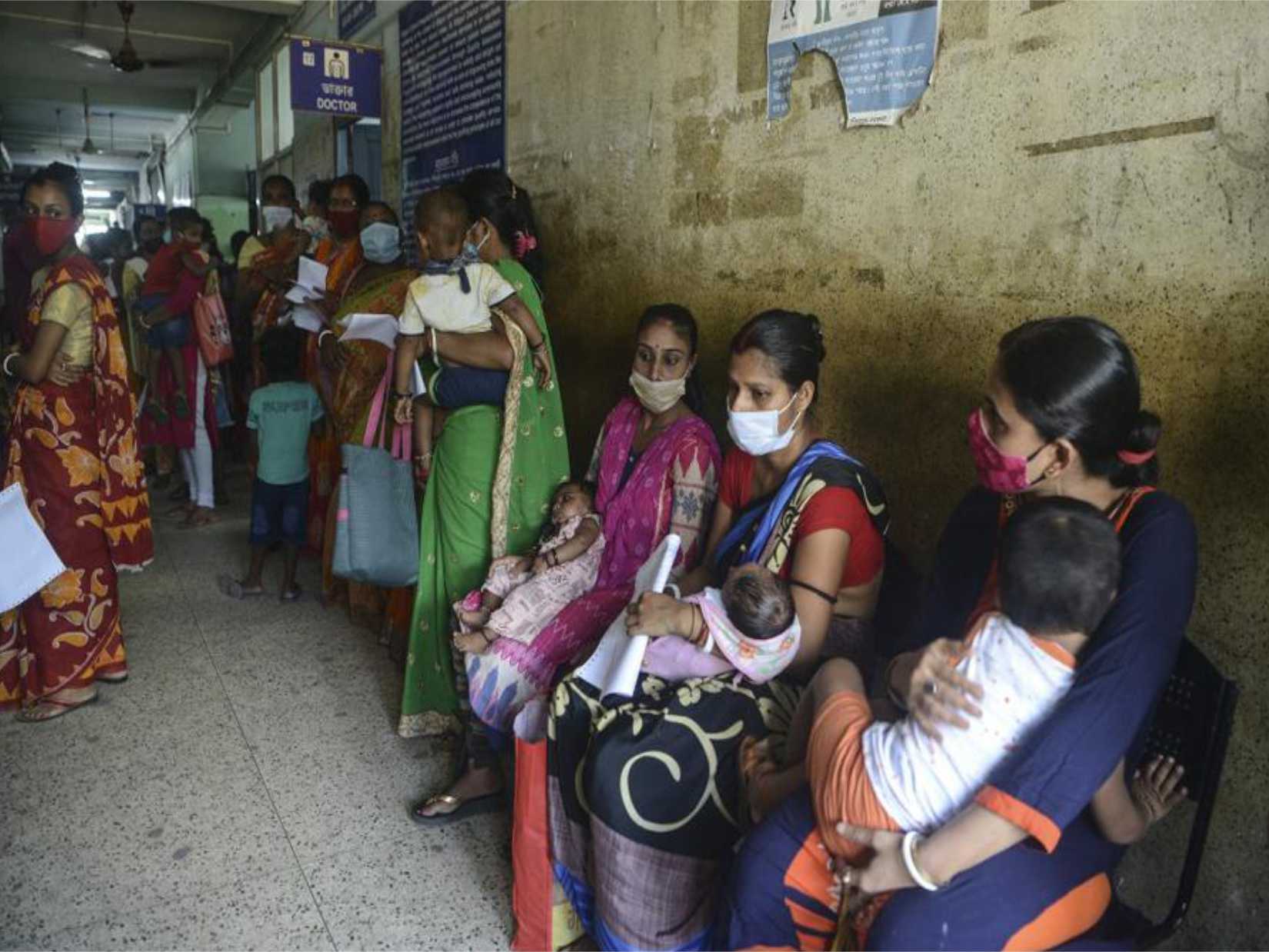
Healthcare Infrastructure: The healthcare infrastructure in India is inadequate, with a shortage of doctors, nurses, and other healthcare professionals. The ratio of doctors to the population is low, and many rural areas lack proper healthcare facilities.

Affordability: Healthcare services in India can be expensive, and many people cannot afford medical treatment. The cost of healthcare services can lead to financial burden and push people into poverty.

Inadequate Public Healthcare System: The public healthcare system in India is inadequate, with a lack of facilities, equipment, and trained personnel. The public healthcare system is also plagued with issues of corruption and inefficiency.

Urban-Rural Divide: There is a significant urban-rural divide in access to healthcare in India, with rural areas having fewer healthcare facilities and medical professionals.

Solutions for Access to Healthcare in India

Healthcare Infrastructure: The development of healthcare infrastructure, including the establishment of more healthcare facilities, the training of healthcare professionals, and the improvement of medical equipment, can help in improving access to healthcare.

Health Insurance: The implementation of health insurance schemes can help in making healthcare services more affordable and accessible to the public.

Public-Private Partnership: The public-private partnership can help in improving access to healthcare, with the private sector playing a significant role in the development of healthcare facilities and services.

Telemedicine: The implementation of telemedicine, which allows healthcare services to be delivered remotely through technology, can help in improving access to healthcare, particularly in rural areas.

Awareness Campaigns: The promotion of awareness campaigns can help in sensitizing the public about the importance of healthcare and the available healthcare services.

Access to healthcare is a significant challenge in India, with issues of healthcare infrastructure, affordability, and the inadequacy of the public healthcare system. However, the implementation of solutions, such as the development of healthcare infrastructure, health insurance, public-private partnerships, telemedicine, and awareness campaigns, can help in improving access to healthcare. Proper access to healthcare is essential for the overall development of India and the well-being of its people. It is crucial to recognize the importance of access to healthcare and take steps towards sustainable solutions.

Marine pollution in India: Causes and solutions for a cleaner ocean

Marine pollution is a significant environmental problem in India, with the country being home to one of the largest coastlines in the world. The Indian Ocean is a vital resource for the country’s economy and sustenance, providing fish and seafood, tourism, and shipping lanes. However, the ocean is under threat from various forms of pollution, including plastic waste, sewage, oil spills, and industrial effluents. In this article, we will discuss the causes of marine pollution in India and the solutions for a cleaner ocean.

Causes of Marine Pollution in India

Plastic Pollution: The excessive use of plastic products, coupled with inadequate waste management systems, has led to the accumulation of plastic waste in the ocean. India is one of the largest producers of plastic waste globally, with an estimated 26,000 tons of plastic waste generated daily.

Sewage Discharge: Most coastal cities in India discharge untreated sewage into the ocean, leading to the contamination of water and marine life. The lack of sewage treatment plants and poor sanitation infrastructure exacerbates the problem.

Oil Spills: India is a hub for oil and gas exploration and transportation, leading to the risk of oil spills. Oil spills not only harm marine life but also impact fishing and tourism industries.

Industrial Effluents: The discharge of industrial effluents, including heavy metals and chemicals, into the ocean, poses a significant threat to marine life and water quality.

Solutions for a Cleaner Ocean

Reduce Plastic Use: The government and private sector need to work together to reduce plastic use by promoting alternatives, such as biodegradable products, and implementing effective waste management systems.

Improved Sewage Treatment: The construction of sewage treatment plants, coupled with the promotion of proper sanitation infrastructure, can significantly reduce sewage discharge into the ocean.

Strengthening Environmental Regulations: Stringent environmental regulations must be put in place to prevent industrial effluent discharge into the ocean.

Oil Spill Response Plans: The development of effective oil spill response plans can mitigate the impact of oil spills on the environment.

Awareness and Education: The promotion of awareness and education campaigns can help in sensitizing the public about the importance of marine conservation and ways to reduce pollution.

Marine pollution is a severe environmental problem in India, which requires immediate attention and action. The implementation of solutions, such as reducing plastic use, improved sewage treatment, and strengthening environmental regulations, can help in mitigating the impact of marine pollution. A cleaner ocean is not only essential for the sustainability of marine life but also for the country’s economy and well-being. It is essential to recognize the importance of the ocean and take steps towards preserving it for future generations.

Deforestation and biodiversity loss in India: Causes and solutions

Deforestation and biodiversity loss are significant environmental challenges facing India. The country has lost a significant portion of its forest cover in the last few decades, leading to a decline in biodiversity and other negative impacts. In this article, we will explore the causes and solutions to deforestation and biodiversity loss in India.

Causes of Deforestation and Biodiversity Loss in India

Agricultural Expansion: One of the main drivers of deforestation in India is agricultural expansion. As the population grows, the demand for food increases, leading to the conversion of forests into farmland. This process is particularly prevalent in regions with high levels of poverty, where people rely on subsistence agriculture to survive.

Illegal Logging: Another significant cause of deforestation in India is illegal logging. Despite laws prohibiting the cutting of trees without permits, illegal logging continues to occur, driven by the high demand for timber and other forest products.

Mining: The mining industry is also a significant contributor to deforestation in India. The extraction of minerals, such as coal and iron ore, requires large areas of land to be cleared, leading to the destruction of forests and loss of biodiversity.

Urbanization: As cities expand, they require more land, leading to the conversion of forested areas into urban spaces. This process is often accompanied by the construction of roads, which further fragment forest habitats, making it difficult for wildlife to move between areas.

Solutions to Deforestation and Biodiversity Loss in India

Reforestation: One of the most effective solutions to deforestation and biodiversity loss is reforestation. Planting trees can help to restore degraded forests, providing habitat for wildlife and helping to mitigate the impacts of climate change.

Protected Areas: Creating protected areas can help to preserve biodiversity by providing safe habitats for wildlife. These areas can also provide economic benefits through ecotourism.

Sustainable Agriculture: Promoting sustainable agriculture practices can help to reduce the pressure on forests by increasing food production on existing farmland. This can include techniques such as agroforestry, which combines crops with trees to create a more diverse and sustainable farming system.

Reducing Demand for Timber: Reducing the demand for timber and other forest products can help to reduce the pressure on forests. This can be achieved through measures such as promoting sustainable wood products, reducing waste, and encouraging recycling.

Enforcing Laws and Regulations: Enforcing laws and regulations designed to protect forests is essential to reducing deforestation and biodiversity loss. This includes cracking down on illegal logging and ensuring that companies are complying with regulations related to mining and other activities that impact forests.

In conclusion, deforestation and biodiversity loss are significant environmental challenges facing India. Addressing these issues requires a multifaceted approach, including reforestation, creating protected areas, promoting sustainable agriculture, reducing demand for timber, and enforcing laws and regulations. By working together, we can help to preserve India’s forests and protect its biodiversity for future generations.

Urbanization and its impact on the environment in India: Challenges and sustainable solutions

Urbanization is the process by which people migrate from rural to urban areas to seek better opportunities and a better standard of living. India, the second-most populous country in the world, has been experiencing rapid urbanization in recent years. According to the World Bank, India’s urban population is projected to reach 600 million by 2030. While urbanization has its advantages, it also poses significant challenges to the environment.

Impact of Urbanization on the Environment

The process of urbanization has resulted in several environmental challenges. Some of the significant impacts of urbanization on the environment are:

Air Pollution: Urban areas are characterized by high levels of air pollution due to industrial activities, vehicular emissions, and construction activities.

Water Pollution: Urbanization has resulted in the pollution of water bodies due to the discharge of untreated sewage and industrial effluents.

Land Use Changes: The rapid pace of urbanization has resulted in the conversion of agricultural land and forests into urban areas. This has resulted in the loss of biodiversity and natural habitats.

Waste Management: Urbanization has resulted in the generation of large amounts of solid waste, which pose a significant challenge for waste management.

Challenges of Urbanization in India

Inadequate Infrastructure: Urbanization has resulted in the strain on existing infrastructure such as roads, water supply, and sanitation.

Lack of Affordable Housing: The rapid pace of urbanization has resulted in the demand for affordable housing, which has not been met by the existing housing stock.

Unemployment: Urbanization has not been able to provide employment opportunities to the growing urban population, resulting in widespread poverty and social inequality.

Climate Change: Urbanization has resulted in the emission of greenhouse gases, contributing to climate change.

Sustainable Solutions

Planning: Urban planning should be done in a sustainable manner, taking into account the ecological balance of the area. There should be adequate provisions for green spaces, public transportation, and waste management.

Renewable Energy: The use of renewable energy sources such as solar and wind power should be encouraged to reduce greenhouse gas emissions.

Water Conservation: Water conservation techniques such as rainwater harvesting and water recycling should be implemented to reduce water pollution and ensure sustainable water use.

Green Building: Green building techniques should be promoted to reduce the energy consumption of buildings and their impact on the environment.

Urbanization has resulted in significant environmental challenges in India. However, sustainable solutions can help to mitigate these challenges and ensure a better future for the growing urban population. It is essential to adopt a holistic approach to urban planning, taking into account the ecological balance of the area and ensuring that development is sustainable in the long term.

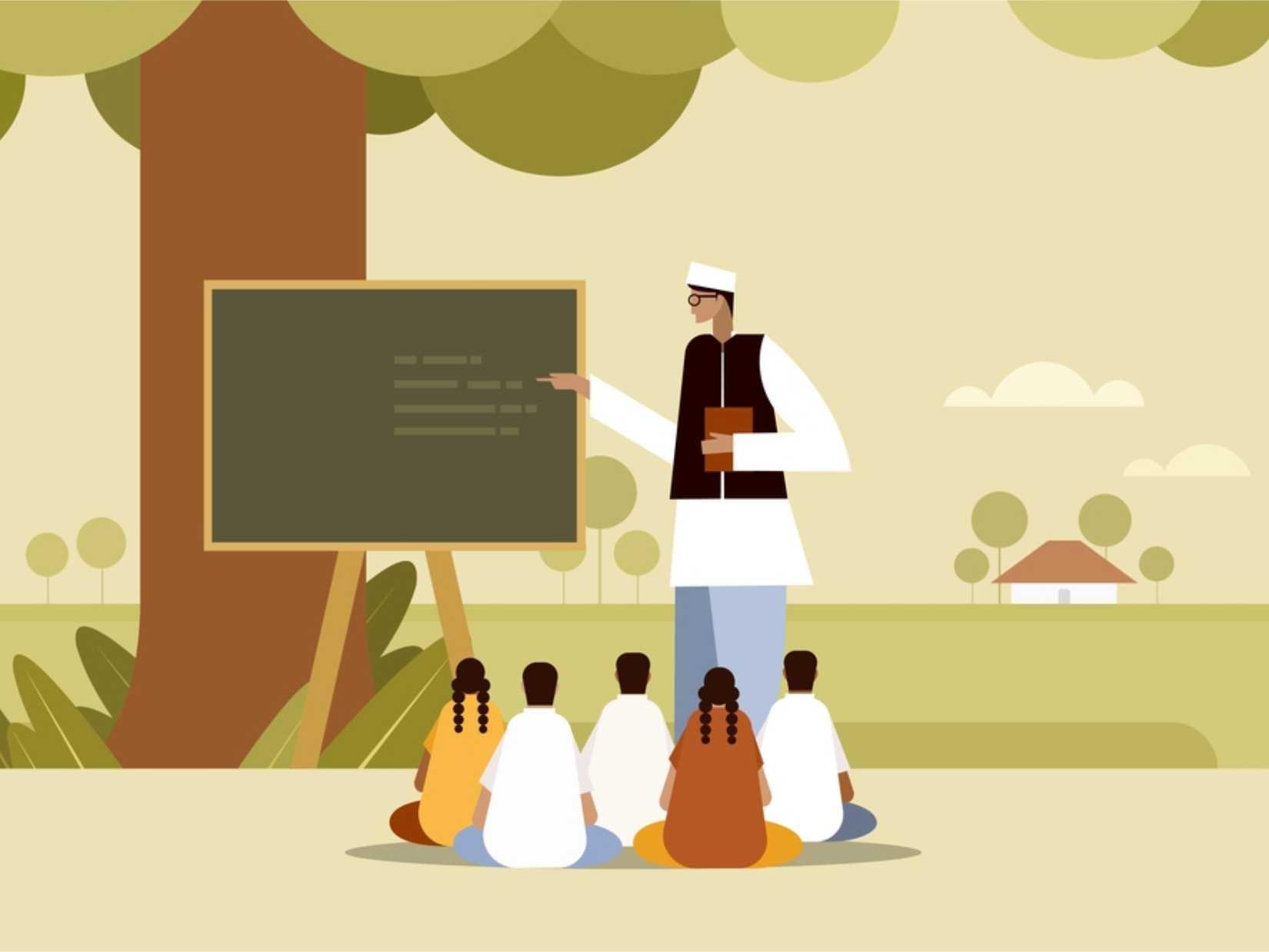
Gurukul Culture of Education in India: A Journey through Time

India has a rich history of education, with the Gurukul system being one of the oldest and most revered. In the Gurukul system, students lived with their teacher (Guru) in an ashram, where they received a holistic education that included not only academic subjects but also physical, emotional, and spiritual development.

The Gurukul system flourished in ancient India, with renowned scholars such as Charaka, Panini, and Aryabhata emerging from these institutions. The system continued to thrive even during the medieval period, with notable Gurukuls such as Nalanda and Taxila attracting students from across the world.

However, with the advent of colonialism and the introduction of the British education system, the Gurukul system began to decline. The emphasis on rote learning and the neglect of practical skills in the British system created a gap between education and employment, which led to a decline in the popularity of Gurukuls.

In recent years, there has been a renewed interest in the Gurukul system, with many educational institutions attempting to revive this ancient tradition. The emphasis on personalized attention, experiential learning, and the integration of spiritual and moral values in education has led many to believe that the Gurukul system can provide solutions to the problems plaguing the modern education system in India.

However, reviving the Gurukul system in its true form is not without its challenges. The lack of infrastructure, trained teachers, and funding pose significant obstacles to the widespread adoption of this system. Moreover, adapting the Gurukul system to the needs of the modern world while preserving its essence is a delicate balance that needs to be struck.

In conclusion, the Gurukul system of education in India is an ancient and revered tradition that has much to offer to the modern world. While it may not be a panacea for all the problems in the current education system, incorporating its unique features can certainly enrich and enhance the learning experience for students. It is a journey through time that requires patience, perseverance, and a deep commitment to the ideals of education.