Admin, Author at Jansankalp Foundation - Page 2 of 5

The Future of Education in 2023: Challenges and Opportunities

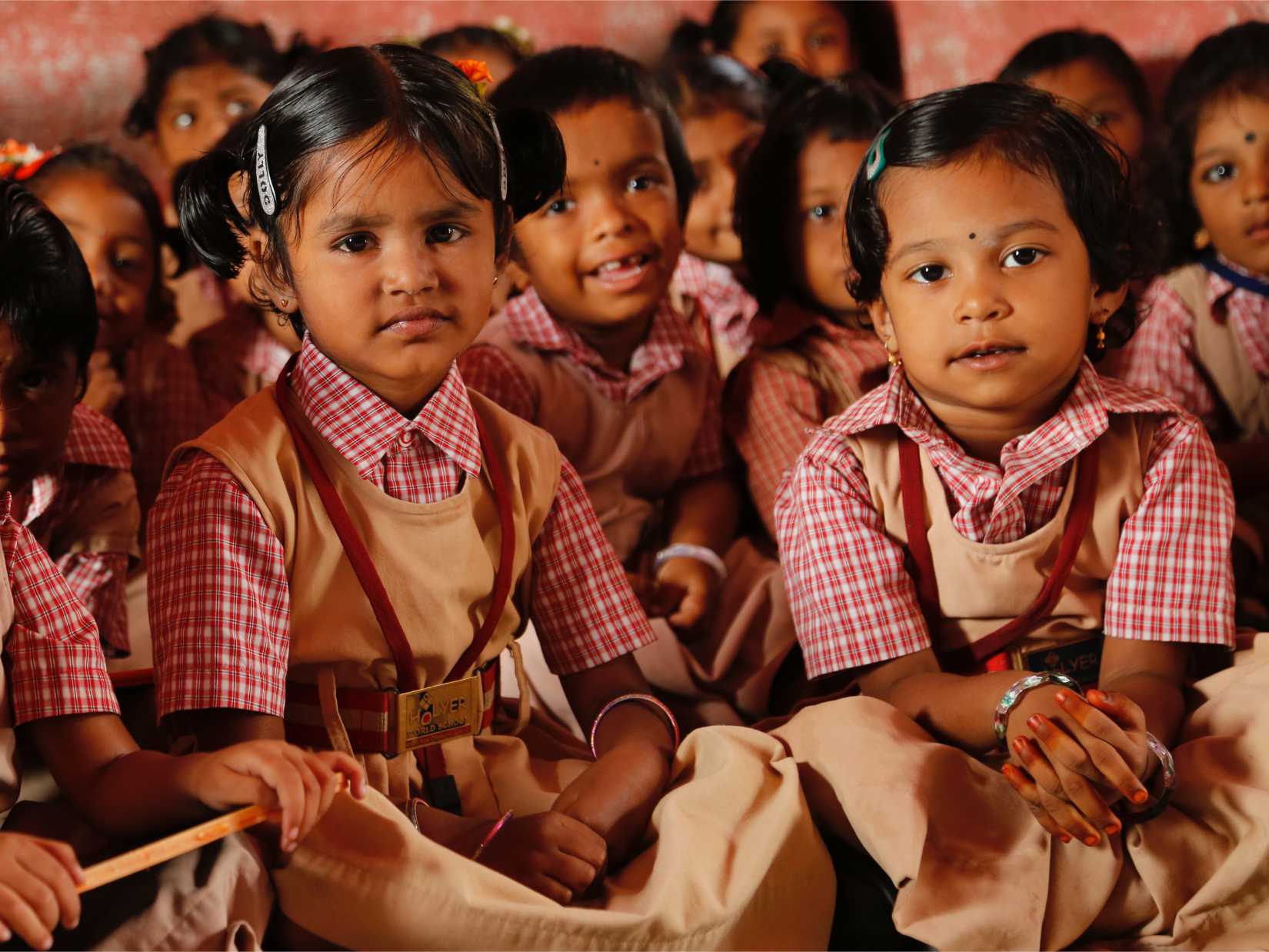
Education has been transformed over the past few years, with the pandemic forcing a shift towards remote learning and the use of technology in the classroom. As we move towards 2023, it is worth considering what the future of education will look like and the challenges and opportunities that lie ahead.

One of the biggest challenges facing education in 2023 is the digital divide. While many students have access to technology and high-speed internet, there are still millions who do not. Ensuring that all students have access to the technology they need to learn and grow will be critical in the coming years.

Another challenge is the need to rethink the curriculum. The pandemic has highlighted the importance of practical skills and the need for students to be prepared for the workforce. As such, there is a growing emphasis on vocational and skills-based education, alongside traditional academic subjects.

In addition, there is an increasing awareness of the importance of social-emotional learning. With mental health becoming a pressing issue, there is a need for schools to provide support and guidance to students in this area. This means investing in counseling services, promoting positive relationships, and teaching mindfulness and resilience.

At the same time, there are several opportunities that lie ahead in education. The use of technology has the potential to democratize education and provide access to learners who may not have had it otherwise. The use of artificial intelligence and machine learning can also provide personalized learning experiences that cater to the needs of individual students.

Moreover, there is a growing recognition of the need for lifelong learning. As the job market changes rapidly, individuals need to be prepared to adapt and learn new skills throughout their lives. This means that education needs to be seen as a lifelong journey rather than a finite period of study.

In conclusion, the future of education in 2023 is both exciting and challenging. While there are obstacles to overcome, there are also many opportunities to be seized. By investing in technology, promoting practical skills, and prioritizing social-emotional learning, education can be transformed to meet the needs of learners in the coming years.

Preserving Cultural Believes in India 2023

India is a land of diverse cultures, beliefs, and traditions. With a history spanning thousands of years, India has always been known for its rich cultural heritage. However, in recent times, there has been growing concern about the preservation of these cultural beliefs and practices. With the rise of globalization and modernization, there is a fear that the younger generation may lose touch with their roots.

It is crucial to preserve these cultural beliefs and practices as they are an integral part of India’s identity. They help us understand our history, traditions, and way of life. Moreover, they provide a sense of belonging and identity to individuals and communities.

One of the key ways to preserve cultural beliefs in India is through education. Schools and educational institutions play a vital role in educating children about their cultural heritage. It is essential to include subjects such as history, literature, and art that focus on the rich cultural heritage of India. Children must be taught to appreciate and respect their traditions from a young age.

Another way to preserve cultural beliefs is through the arts. India has a rich tradition of music, dance, and theater, which have been passed down from generation to generation. By promoting and preserving these art forms, we can ensure that our cultural beliefs and traditions are not lost.

Community events and festivals are another way to preserve cultural beliefs. These events provide an opportunity for people to come together, celebrate their traditions, and pass them on to the younger generation. It is essential to ensure that these events are inclusive and accessible to everyone.

Finally, it is crucial to document and preserve cultural beliefs through research and documentation. This includes collecting and preserving artifacts, recording oral histories, and documenting traditional practices. By doing so, we can ensure that our cultural heritage is not lost and can be passed down to future generations.

In conclusion, preserving cultural beliefs in India is crucial for maintaining our cultural heritage, identity, and way of life. It is essential to educate the younger generation about their traditions, promote and preserve the arts, organize community events and festivals, and document and preserve our cultural heritage. By doing so, we can ensure that our cultural beliefs and practices continue to thrive and evolve for generations to come.

Growth Of Technology and Its Impact on Indian Culture

India has witnessed a significant growth in technology in the past few decades. With the rise of the internet, mobile devices, and social media, technology has become an integral part of our lives. While technology has undoubtedly brought many benefits, it has also had a profound impact on Indian culture.

One of the most significant impacts of technology on Indian culture has been the rise of a new generation of digital natives. Young people today are more connected than ever before and are heavily influenced by the internet and social media. This has led to a shift in attitudes and values, with many young people embracing more liberal and cosmopolitan views.

Technology has also had a significant impact on Indian language and communication. With the rise of the internet and mobile devices, many young people are now communicating in English or a hybrid of English and their native language. This has led to concerns about the erosion of traditional language and cultural norms.

Moreover, technology has also affected traditional social structures and relationships. With the rise of social media and dating apps, young people are increasingly forming relationships and social connections outside their immediate communities. This has led to a shift in the traditional family structures and societal norms.

However, technology has also had some positive impacts on Indian culture. For instance, it has provided a platform for the preservation and promotion of Indian art, music, and dance. Platforms such as YouTube and social media have made it easier for artists to showcase their work and reach a global audience.

Furthermore, technology has also helped in the preservation and dissemination of traditional knowledge and practices. Digital libraries, online archives, and e-books have made it easier for people to access and learn about traditional knowledge systems.

In conclusion, technology has had a profound impact on Indian culture. While it has brought many benefits, it has also posed significant challenges. It is essential to strike a balance between embracing the benefits of technology while also preserving our cultural heritage and traditions. By doing so, we can ensure that technology continues to enrich our lives while also maintaining the richness and diversity of Indian culture.

Influence of Colonialism on Indian Culture

The influence of colonialism on Indian culture has been significant and long-lasting. For over 200 years, India was ruled by various European powers, including the Portuguese, Dutch, French, and British. This period had a profound impact on Indian society, culture, and politics.

One of the most significant impacts of colonialism on Indian culture was the introduction of Western ideas and values. The British, in particular, had a profound impact on Indian culture, introducing English language, literature, and education. This led to a gradual shift in the attitudes and values of the Indian elite, who began to adopt Western ideas and customs.

Moreover, colonialism also had an impact on Indian art, architecture, and music. The British introduced Western art forms and styles, which gradually replaced traditional Indian art and music. The British also introduced new architectural styles, which can be seen in many buildings and monuments in India today.

The impact of colonialism on Indian society was also significant. The British introduced new social structures and norms, which led to a shift in traditional Indian social structures. The introduction of English education and Western ideas also led to the emergence of a new middle class, which played a significant role in the Indian independence movement.

Colonialism also had a profound impact on Indian politics. The British introduced a system of government and administration, which was designed to maintain their hold on India. This led to the emergence of a new class of Indian elites who were educated in English and who played a crucial role in the Indian independence movement.

Finally, colonialism also had an impact on Indian religion and spirituality. The British introduced Western ideas about religion and spirituality, which led to a gradual erosion of traditional Indian beliefs and practices. Moreover, the British also introduced new forms of Christianity, which had a significant impact on Indian Christianity.

In conclusion, the impact of colonialism on Indian culture was profound and far-reaching. It introduced new ideas and values, which led to a gradual shift in Indian attitudes and values. It also had an impact on Indian art, architecture, music, society, politics, and religion. While colonialism had many negative impacts, it also played a significant role in the emergence of modern India.

Healthcare workforce in India:

Challenges and solutions for recruitment and retention

India faces significant challenges in recruiting and retaining healthcare professionals, which has resulted in a shortage of skilled workers in the sector. In this article, we will examine the challenges facing the healthcare workforce in India and potential solutions to address these issues.

Challenges facing the Healthcare Workforce in India:

Uneven distribution: The healthcare workforce in India is unevenly distributed, with a large concentration of healthcare professionals in urban areas. This has resulted in a shortage of healthcare workers in rural areas, where a majority of the population resides.

Low wages: Healthcare professionals in India are paid low wages compared to their counterparts in other countries. This has resulted in a brain drain, with many Indian healthcare professionals leaving the country to seek better-paying jobs abroad.

Lack of infrastructure: Many healthcare facilities in India lack basic infrastructure, such as clean water, electricity, and medical equipment. This has resulted in poor working conditions for healthcare professionals, which can make it difficult to recruit and retain workers.

Limited training opportunities: Healthcare workers in India often have limited access to training opportunities and continuing education. This can lead to a lack of skills and knowledge among healthcare professionals, which can affect the quality of care they provide.

Solutions for Recruitment and Retention of Healthcare Workers in India:

Improved working conditions: Improving working conditions for healthcare workers can help retain current staff and attract new workers to the field. This can include providing better infrastructure, equipment, and adequate compensation.

Investment in training: Investing in training and continuing education opportunities for healthcare workers can help improve their skills and knowledge, which can result in better quality care for patients. This can include offering scholarships, internships, and other training programs.

Incentives for rural practice: Providing incentives such as bonuses, housing, and other benefits to healthcare workers who practice in rural areas can help address the uneven distribution of the healthcare workforce in India.

Public-private partnerships: Public-private partnerships can help improve the healthcare workforce in India by increasing access to training and education, improving infrastructure and technology, and offering better compensation and benefits.

Use of technology: The use of technology can help improve access to healthcare services in remote areas, which can help address the uneven distribution of the healthcare workforce. This can include telemedicine, mobile clinics, and other innovative solutions.

Recruiting and retaining a skilled healthcare workforce is crucial for improving the health outcomes of the population in India. Addressing the challenges facing the healthcare workforce, including uneven distribution, low wages, lack of infrastructure, and limited training opportunities, will require multifaceted solutions. By improving working conditions, investing in training, providing incentives for rural practice, fostering public-private partnerships, and using technology, India can address the challenges facing the healthcare workforce and improve access to quality healthcare services for all.

Women’s role in agriculture and food security in India

Women play a crucial role in agriculture and food security in India. According to the Food and Agriculture Organization (FAO), women make up around 49% of the agricultural labor force in India. Despite their significant contribution, women face numerous challenges that hinder their ability to access resources, gain knowledge and skills, and fully participate in agricultural activities.

One of the primary challenges women face is limited access to land. In India, women own less than 13% of the country’s agricultural land. Landownership is essential for access to credit, government schemes, and other benefits that can help improve productivity and income. Women’s lack of land ownership also limits their decision-making power in agricultural activities, which can result in their exclusion from important discussions and decisions.

Another challenge faced by women is limited access to credit and financial resources. Traditional gender roles often confine women to household activities, and they may not have formal employment, income, or assets to use as collateral for loans. As a result, women often rely on informal loans from moneylenders who charge high interest rates, placing them in a cycle of debt.

Lack of access to education and training is also a challenge for women in agriculture. Women often have limited opportunities to acquire skills and knowledge necessary for modern farming practices, such as soil health management, irrigation techniques, and the use of technology. This limits their ability to innovate and adopt new practices that could improve productivity and income.

Despite these challenges, women in agriculture have shown resilience and ingenuity in finding solutions. For example, women in some parts of India have formed self-help groups to pool resources and access credit. These groups also provide a platform for women to share knowledge, learn from each other, and engage in collective decision-making.

The Indian government has also introduced various initiatives to support women in agriculture. The National Rural Livelihoods Mission (NRLM), for instance, aims to enhance the livelihoods of rural women by providing them with training, skills development, and access to financial services. The NRLM has been successful in empowering women and improving their income and standard of living.

In conclusion, women play a vital role in agriculture and food security in India. However, they face numerous challenges that hinder their ability to access resources, gain knowledge and skills, and participate fully in agricultural activities. Addressing these challenges requires a concerted effort from government, civil society, and other stakeholders to promote gender equality, empower women, and support their meaningful participation in agriculture.

Sustainable farming practices in India:

Opportunities and challenges

Sustainable farming practices in India have become increasingly important in recent years due to the rising awareness of environmental degradation and the need for food security. Sustainable agriculture is defined as the practice of producing food, fiber, and other plant and animal products in a way that is environmentally friendly, socially responsible, and economically viable. India is a country with a rich agricultural heritage, but the shift towards sustainable farming practices has been challenging due to several opportunities and challenges.

Opportunities:

Increasing demand for organic and sustainable products: There is an increasing demand for organic and sustainable products in India due to rising health concerns and environmental consciousness among consumers. This provides an opportunity for farmers to switch to sustainable farming practices and access a growing market.

Government initiatives: The Indian government has introduced various initiatives to promote sustainable farming practices. These include the National Mission for Sustainable Agriculture (NMSA) and the Paramparagat Krishi Vikas Yojana (PKVY) that promote organic farming, conservation of soil health, and water management practices.

Technological advancements: The advent of technology has made sustainable farming practices more accessible to farmers. For instance, precision farming and agroforestry practices have helped farmers to reduce waste and increase productivity while conserving natural resources.

Challenges:

Lack of awareness and education: Many farmers in India are not aware of sustainable farming practices, which makes it difficult for them to adopt these practices. Education and awareness campaigns are needed to educate farmers about the benefits of sustainable farming practices.

Limited access to credit and resources: Sustainable farming practices require significant investment in resources such as compost, seeds, and equipment. Many small-scale farmers in India lack access to credit, which makes it difficult for them to invest in sustainable farming practices.

Inadequate infrastructure: Inadequate infrastructure for storage, transportation, and marketing of sustainable products is a significant challenge. This leads to losses for farmers and limits their access to markets.

Climate change: Climate change is a significant challenge for sustainable farming practices in India. Erratic weather patterns and water scarcity can make it difficult for farmers to grow crops using sustainable methods.

In conclusion, sustainable farming practices in India present numerous opportunities and challenges. Addressing the challenges requires a multi-stakeholder approach that includes the government, farmers, and civil society organizations. The adoption of sustainable farming practices is critical for India’s food security and sustainable development goals. Therefore, it is essential to promote awareness, provide access to credit and resources, invest in infrastructure, and promote research and development in sustainable farming practices.

Malnutrition in India: Causes, consequences, and solutions

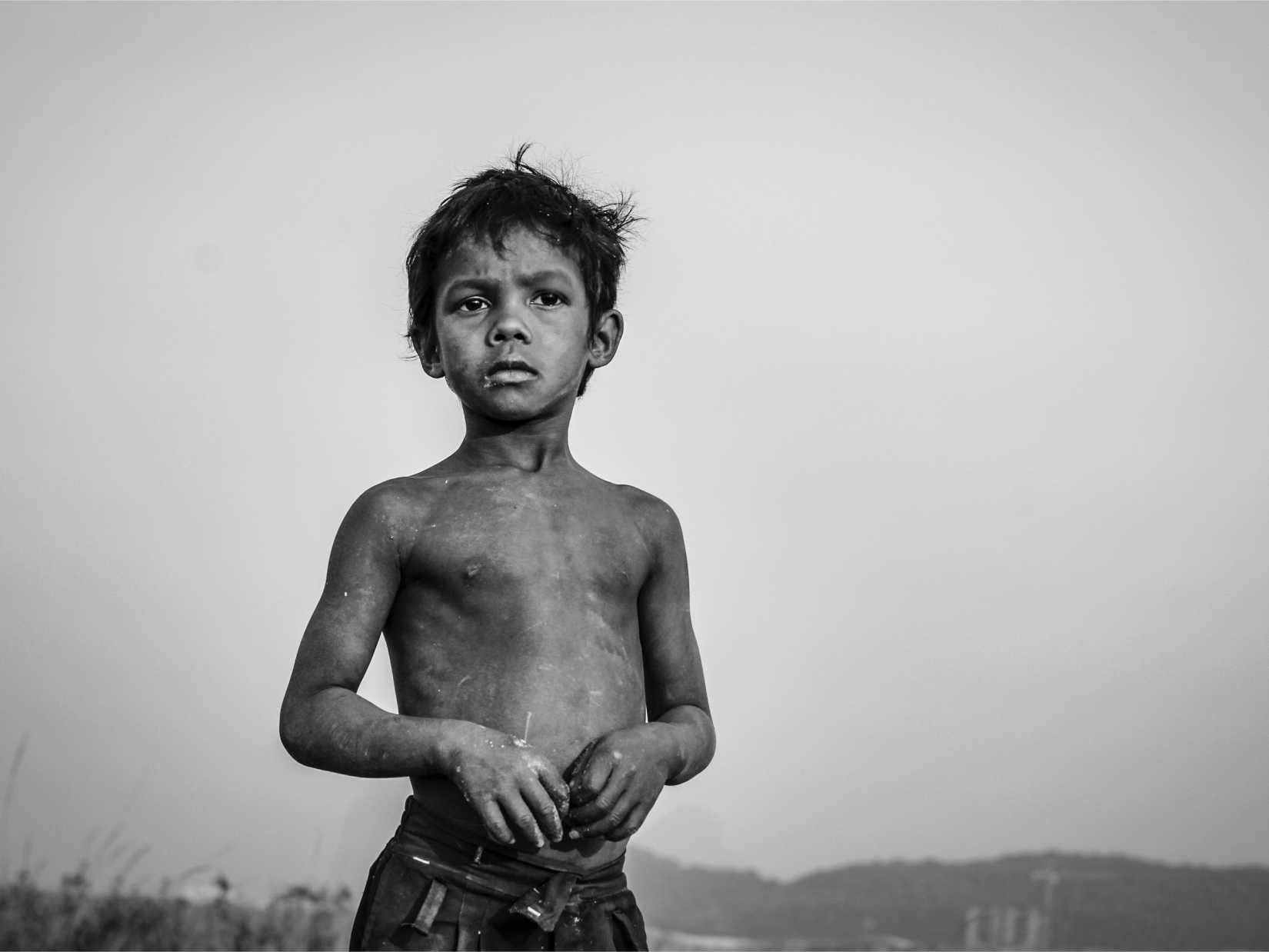
Malnutrition is a serious problem in India, affecting millions of people across the country. Malnutrition can lead to a range of health problems, including stunted growth, weakened immune systems, and cognitive impairment. In this article, we will explore the causes, consequences, and potential solutions to malnutrition in India.

Causes of Malnutrition:

Poverty: Poverty is one of the main causes of malnutrition in India. People living in poverty often cannot afford a healthy diet, which leads to malnutrition.

Lack of education: Lack of education, especially among women, is another significant cause of malnutrition. Women who are not educated are less likely to have the knowledge and resources needed to ensure that their families are eating a balanced and nutritious diet.

Poor sanitation and hygiene: Poor sanitation and hygiene practices can lead to the spread of infectious diseases, which can cause malnutrition.

Food insecurity: Food insecurity, or the lack of consistent access to sufficient and nutritious food, is a major cause of malnutrition in India.

Consequences of Malnutrition:

Stunted growth: Malnutrition can lead to stunted growth in children, which can have long-term consequences for their health and development.

Weakened immune system: Malnutrition weakens the immune system, making individuals more vulnerable to infectious diseases.

Cognitive impairment: Malnutrition can also lead to cognitive impairment, which can affect a child’s ability to learn and develop.

Increased mortality rates: Malnutrition is a leading cause of mortality in India, particularly among children.

Solutions to Malnutrition:

Education: Education is an essential tool in the fight against malnutrition. Education programs can help individuals understand the importance of a healthy and balanced diet and provide them with the knowledge and resources needed to ensure that their families are eating nutritious food.

Improving access to healthcare: Improving access to healthcare, including basic nutrition and healthcare services, can help prevent malnutrition and treat those who are already suffering from malnutrition.

Addressing poverty: Addressing poverty is essential to reducing malnutrition. Providing financial assistance and creating job opportunities can help individuals afford a healthy diet.

Food security programs: The Indian government has introduced several food security programs, such as the Public Distribution System (PDS), to provide subsidized food to those in need. Expanding these programs and ensuring that they are effective can help reduce malnutrition.

In conclusion, malnutrition is a serious problem in India, affecting millions of people across the country. Addressing the root causes of malnutrition, such as poverty, lack of education, poor sanitation, and food insecurity, is essential to reducing malnutrition rates in India. By implementing education programs, improving access to healthcare, addressing poverty, and expanding food security programs, India can work towards a future where malnutrition is no longer a major health issue.

Health Camp in Triyuginaryan, Uttarakhand

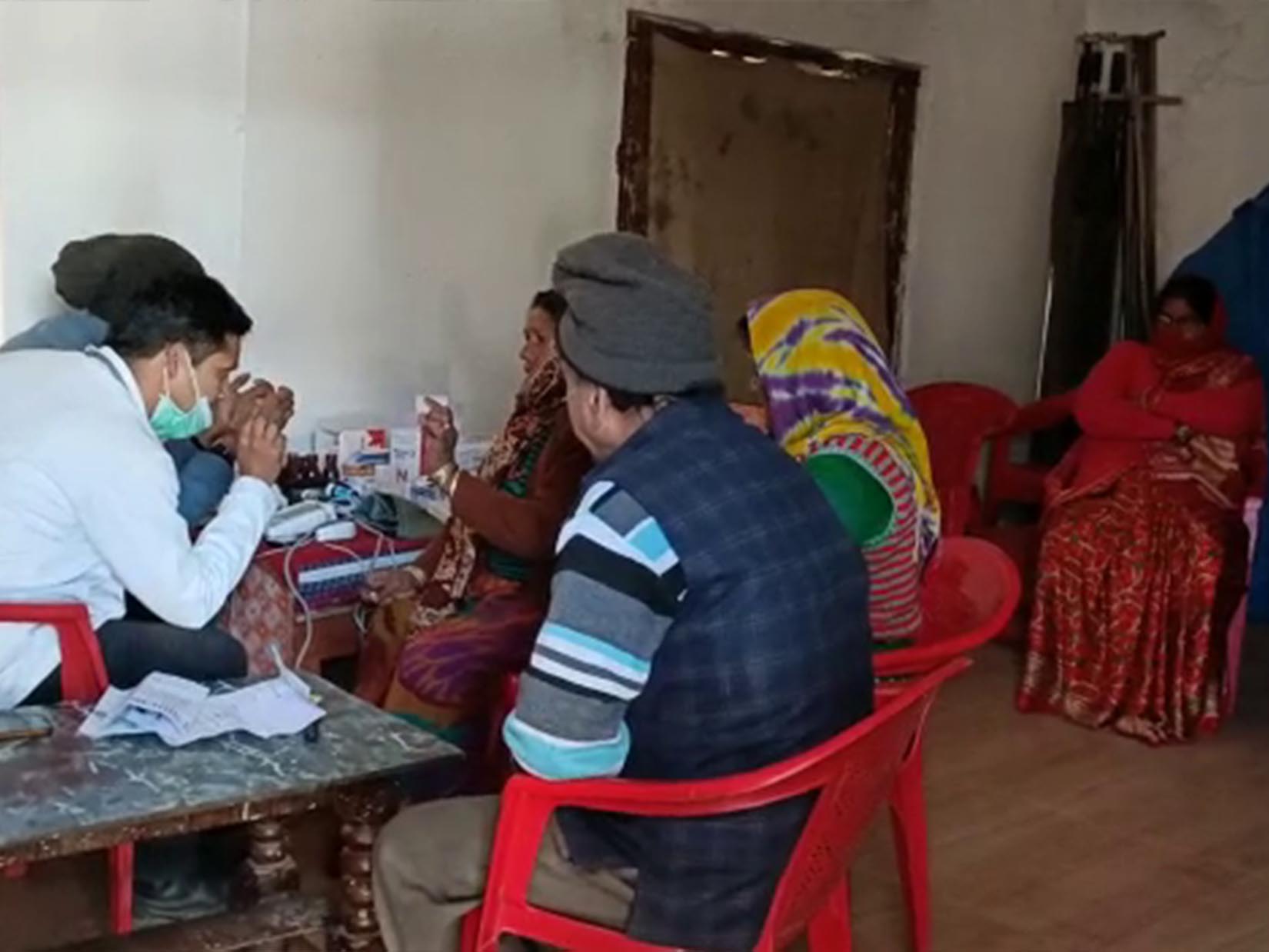
Jansankalp Foundation, under the leadership of Balaji Krishnammagaru, recently organized a successful health check-up camp in Triyuginaryan, Uttarakhand. The camp aimed to address the healthcare needs of the local community by providing free health check-ups and distributing essential medicines.

During the camp, the foundation collaborated closely with the residents of Triyuginaryan. Through discussions with local women, Jansankalp Foundation identified specific healthcare challenges and took prompt action to address them effectively. This community-centered approach ensured that the camp catered to the unique needs of the individuals in Triyuginaryan.

The health check-up camp provided an opportunity for overjoyed locals to receive comprehensive health assessments from a team of dedicated medical professionals. Participants had the opportunity to consult with pediatricians and specialist doctors who were readily available at the Jansankalp Smart Clinic Phata. The clinic not only offers free consultations but also ensures the availability of necessary medicines, ensuring that individuals can access the care they need.

Jansankalp Foundation’s commitment to organizing regular health camps across various villages in Uttarakhand underscores their dedication to improving the overall health and well-being of the community. By providing accessible healthcare services and actively engaging with local residents, Jansankalp Foundation continues to make a positive impact on the healthcare landscape of Uttarakhand.

Under the leadership of Balaji Krishnammagaru, Jansankalp Foundation remains steadfast in their mission to create healthier communities and uplift the lives of individuals in Triyuginaryan and beyond. Their initiatives not only address immediate healthcare needs but also contribute to the long-term development and well-being of the community.

Gaurikund Health Camp in Kedarghati, Uttarakhand: Harini and Balaji Krishnammagaru

Jansankalp Foundation, in collaboration with the local community, recently organized a health check-up camp in Gaurikund Village of Kedarghati, Uttarakhand. The camp aimed to provide essential healthcare services to the residents, particularly targeting laborers and police personnel involved in construction works in the area.

During the health camp, a total of 50 individuals received free health check-ups. The participants were able to consult with healthcare professionals who assessed their health conditions and provided necessary medical advice. Additionally, free medicines were distributed to the attendees, ensuring they had access to the required medications.

Jansankalp Foundation has been consistently organizing health camps in various villages within the Kedarghati region. These camps serve as an essential means to address the healthcare needs of the local population. By actively engaging with the community and identifying their concerns, the foundation can promptly respond to the healthcare challenges they face.

To further support the healthcare requirements of the region, Jansankalp Foundation operates a specialized medical facility called Jansankalp Smart Clinic Phata. The clinic features a team of experienced pediatricians and specialist doctors who are readily available to provide consultations and medical assistance. The clinic offers free consultations and ensures that required medicines are accessible to the patients, thus promoting comprehensive healthcare services in the area.

Through these initiatives, Jansankalp Foundation strives to improve the health and well-being of the people in Kedarghati and contribute to the overall development of the community.